

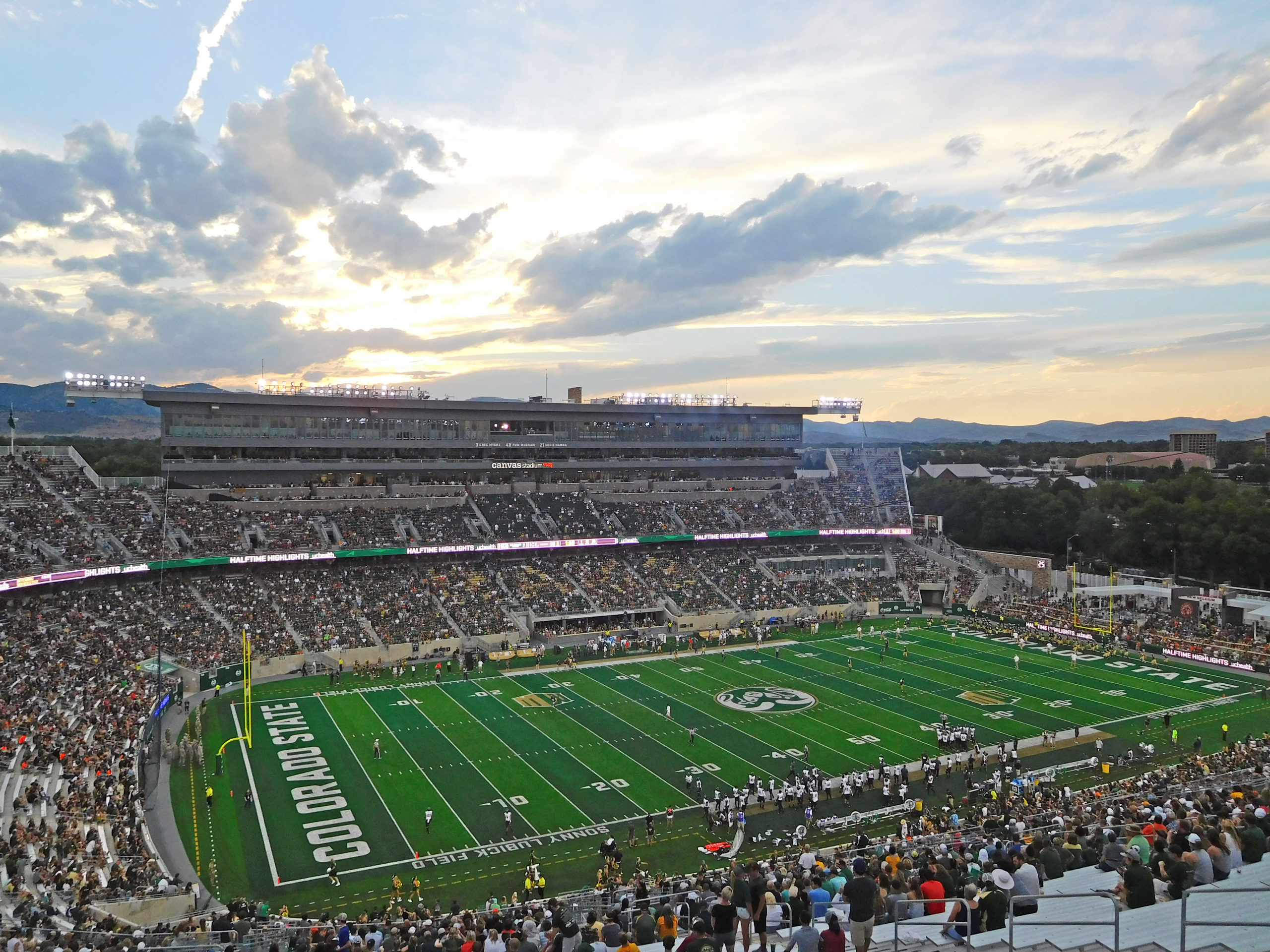
Colorado State has retooled its identity on defense, and the timing matters.
Jay Norvell wanted a unit that confuses offenses, tackles with urgency, and adjusts by opponent strengths. He hired Tyson Summers to deliver that shift, betting that flexibility would travel into September.
Summers returns to Fort Collins after recent work at Western Kentucky, where alignments changed weekly to match personnel. Depth charts there suggested a three-safety world, yet structure never stayed fixed.
The plan now emphasizes answers over labels, with fronts and coverages selected to remove what offenses prefer. Spring brought installation, teaching, and new habits.
Nearly every starter is new to the program, which heightens the stakes. Early opponents will test how quickly this approach translates from whiteboard to Saturday gaps.
What Summers Changed, and Why it Matters for Early Downs
Summers built a philosophy rather than a static system, which directly influences run defense. Instead of declaring a permanent 4-3 or 3-4, his staff selects structures that target historical opponent tendencies.
That choice matters most on early downs, when teams script their favorite rushing concepts. The aim is to force hesitation, then rally with speed. Norvell wanted aggressive coverage that complicates reads for the quarterback and shifts protection rules.
That posture helps against RPO looks that pair inside runs with quick throws. Summers also prioritizes building around the roster he inherited, not forcing square pegs into old roles.

He believes that personnel packages should reflect who tackles best, sets edges, and communicates cleanly. The result is an adaptable blueprint that treats early calls like leverage plays, not placeholders.
A Flexible Structure Built to Deny Familiar Run Staples
Western Kentucky depth charts under Summers often resembled a 3-3-5, but appearances mislead. Stack looks, tight fronts, and creepers rotated to attack what the opponent valued.
Colorado State expects to mirror that flexibility, changing pictures before and after the snap. That variety can bottle zone and power by muddying double teams and pulling rules.
It also spreads speed across the second level, which supports pursuit when gaps bounce outside. Given the variables, it’s no wonder that bettors and fans watch September attentively, with many keeping a close eye on markets like FanDuel NCAAF Futures for context on expectations.
On the field, the core question is simpler. Can the front eat blocks while safeties fit decisively from depth? If those roles synchronize, early-down efficiency tilts, and long fields follow.
Portal Churn Means Fit Over Labels, Not 4-3 Or 3-4
The transfer era reshaped roster building, and Summers adjusted alongside it. Incoming waves make rigid systems brittle because players arrive with varied strengths.
His answer is fit first, label second. Coaches evaluate who handles space, who stacks and sheds, and who triggers confidently.
The Brain’s Trust then assembles groupings that amplify those traits against each opponent. That approach matters against diverse run games, from downhill power to quarterback keepers.
With many new starters, clear rules and teachable techniques become the bedrock. Communication must travel across alignments, so checks feel familiar despite shifting shells.
The result is a defense that treats personnel like a toolkit rather than a depth chart debate. In September, that adaptability helps mask inexperience and reduces the cost of inevitable early mistakes in the season.
Front Multiplicity, Gap Control, and the Edge Setting Question
Stopping the run still comes down to gaps, leverage, and tackling. Multiplicity only works if responsibilities remain clear. Expect Colorado State to toggle between tight fronts that plug interior lanes and wider looks that protect the perimeter.

Interior players must cancel double teams and keep linebackers clean. Linebackers must fit downhill, then redirect when a back bounces. Safeties become force players in this structure, meeting carriers near the numbers.
That approach fits Summers’ emphasis on aggressive coverage, which places capable tacklers closer to action. Edge setting will decide many early drives. If outside players compress space and spill runs inside, pursuit finishes cleanly.
When edges lose ground, cutbacks and explosives arrive. Discipline turns variety into production, not confusion.
Aggression, Coverage, and How it Supports Run Integrity
Norvell wanted coverage that challenges receivers and stresses quarterbacks across reads. That vision can help run defense when coordinated wisely. Pressed alignments disrupt quick relief throws attached to inside runs.
Rotations after the snap can trap perimeter screens, which often function like extended handoffs. The risk arrives when blitz paths open creases or safeties vacate fits too early.
Summers’ solution relies on predictable rules within disguise. Defenders learn where help lives, even when the pre-snap shell shifts. That clarity supports rally tackling and limits yards after contact.
Early downs invite measured aggression, not constant gambling. Timely pressure on second and medium can force passing situations. Then the package widens, and multiplicity becomes a weapon rather than a liability.
Signs Of Progress You Can See in September
Fans can watch several indicators that require no advanced charting. Look for consistent first contact near the line, especially on inside runs. Notice whether linebackers scrape freely, which signals interior control.
Track how often perimeter plays die at the numbers, not the sideline. Explosives allowed on the ground should shrink as fits tighten.
Substitution patterns will also reveal trust. Quick rotations that keep legs fresh suggest depth is real. Communication shows up through calm pre-snap movement, not late scrambling.
Penalties that extend drives usually signal misalignment, so fewer flags matter. If those markers trend positive, third downs lengthen, and field position improves. That compounding effect often decides early games, long before highlight plays shape perceptions.
What CSU Should Prioritize Before The Schedule Tightens
Colorado State can tilt the odds by sharpening fundamentals within its flexible frame. Install the most repeatable fronts for early opponents, then carry specific answers as supplements.
Emphasize tackling angles for safeties who play close to the formation. Drill edge players on compressing space, then finishing with help inside. Coach linebackers to stack without getting trapped by window dressing.
Keep pressures targeted to run tendencies, not deployed from habit. On the sideline, align substitutions with series flow, preserving burst late.
Above all, protect communication. Multiplicity works when rules travel, regardless of the call. Summers built this approach for rosters that change quickly. If the unit leans into that design, stopping the run early becomes a realistic expectation.
*Content reflects information available as of 2025/08/12; subject to change.