

by Blaine Howerton | NorthFortyNews.com
Understanding color theory can transform your Northern Colorado landscape into a cohesive, living design

Step into any memorable garden, and you’ll notice something beyond the plants themselves—it’s the way color quietly guides your experience. In Northern Colorado, where seasons shift quickly and conditions demand thoughtful planning, color becomes one of the most powerful tools a gardener has.

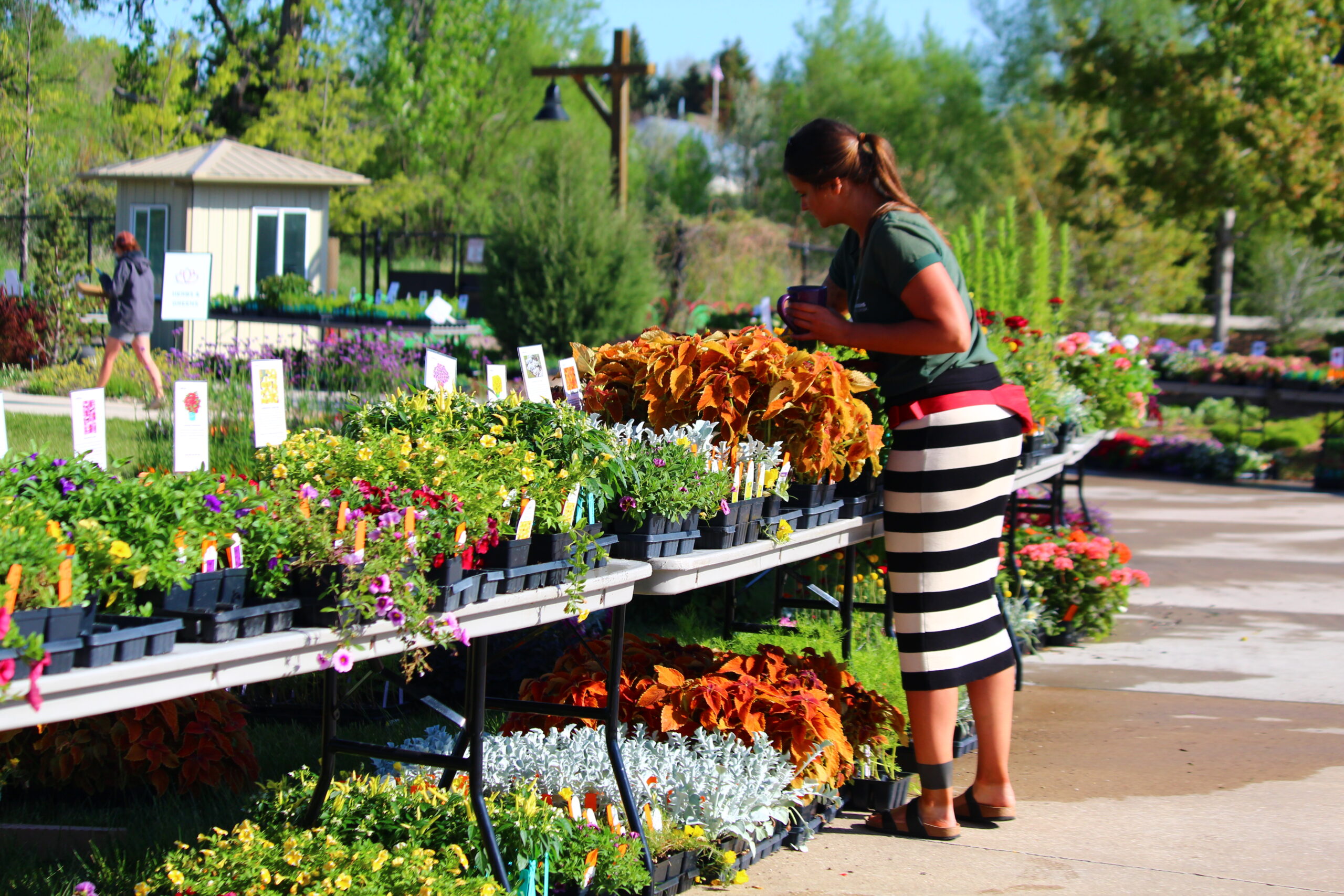
Color in the garden isn’t just about choosing your favorite blooms. It’s about how hues interact, how they influence mood, and how they evolve across the growing season. Warm tones like reds, oranges, and yellows tend to energize a space, drawing the eye and creating focal points. Cooler tones—blues, purples, and soft greens—offer a sense of calm, helping a garden feel more expansive and restful.

One of the most effective ways to design with color is to think in terms of relationships. Complementary colors—those opposite each other on the color wheel—create contrast and visual energy. Pairing purple flowers with yellow accents, for example, can make both colors appear more vibrant. Analogous colors, which sit next to each other on the wheel, create harmony. A mix of blues, violets, and soft pinks can blend seamlessly into a soothing, unified palette.
In Northern Colorado gardens, color planning also means working with light. Our intense sun can make bright colors feel even bolder, while softer shades can wash out if not balanced carefully. That’s why layering color—mixing tones, textures, and plant heights—helps create depth and keeps a garden visually interesting throughout the day.

Seasonality plays a role as well. Early spring might lean on pastels and fresh greens, while summer brings saturated, high-energy colors. Fall shifts toward warm golds, rusts, and deep reds. Thinking ahead about how colors transition over time helps your garden feel intentional from the first bloom to the last frost.

Color doesn’t stop at flowers, either. Foliage, bark, containers, and even hardscape elements contribute to the overall palette. A thoughtfully placed pot or a contrasting leaf texture can anchor a space just as effectively as a bright bloom.
The goal isn’t perfection—it’s cohesion. When color is used with intention, even a small garden can feel designed, inviting, and uniquely tied to place. And here in Northern Colorado, where the landscape itself offers a dramatic backdrop, the right color choices can help your garden feel like a natural extension of the environment.
Make North Forty News part of your morning. Get Northern Colorado’s top stories, weather, and events every day at 5 a.m. in our Daily Update.