

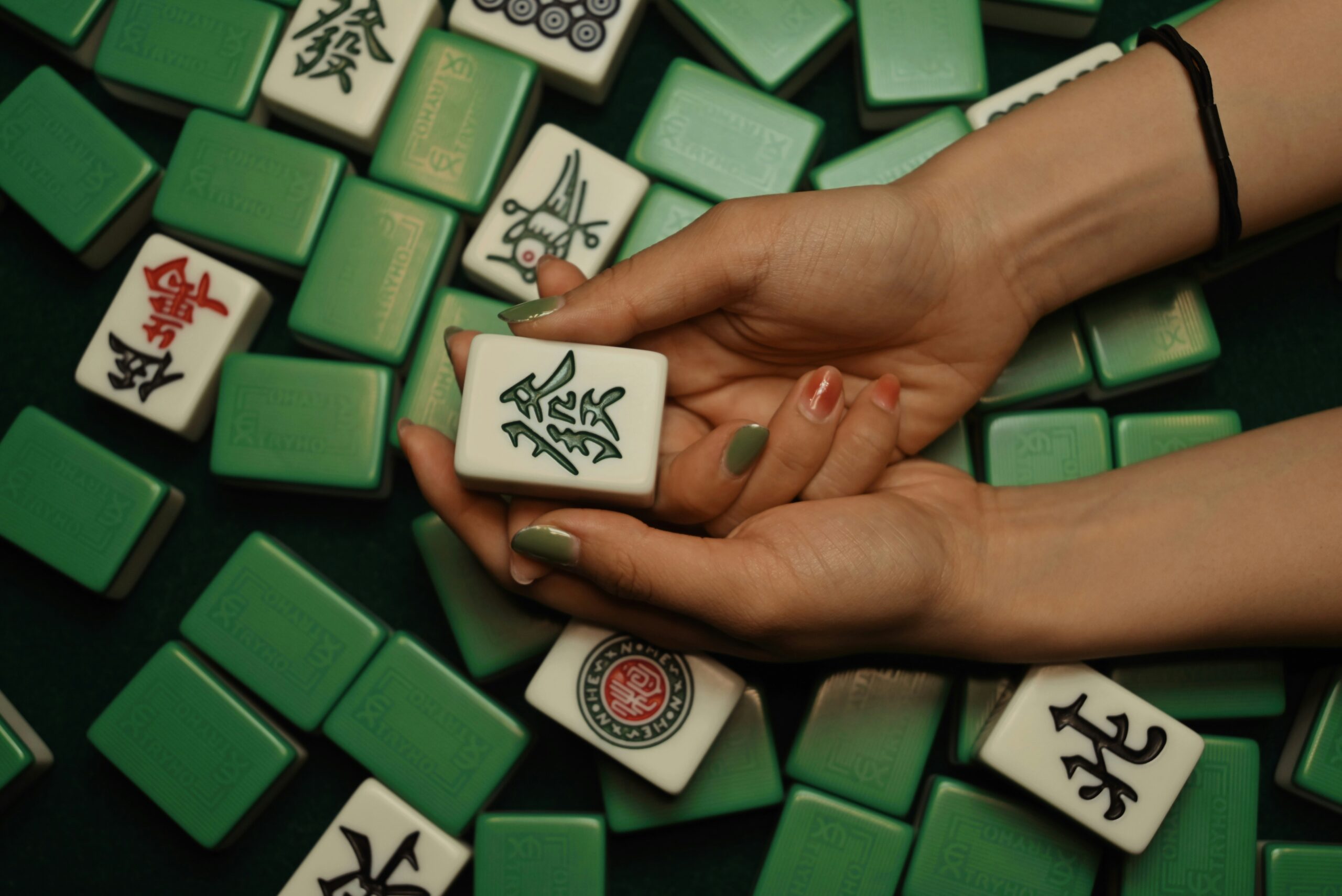
Mahjong is a game that invites conversation as much as competition. That makes it a perfect bridge between elders and youth: there’s room for storytelling, teaching, and friendly rivalry, all in one table-length ritual.
If you run a community center, senior group, or library, you can turn mahjong into a welcoming, intergenerational anchor with just a little structure and a lot of warmth.
Start small, invite everyone
Begin with one weekly table before you dream of a full-on club. Choose a consistent time (for example, Wednesdays 5–7 p.m.) and stick to it for at least six weeks so people can form a habit. Hand out quick-start sheets, seat newcomers with patient players, and build in a short “teach & try” segment at the top of each meetup.
Mention and encourage practice between sessions. Playing mahjong online on, for instance, Mahjong365 website, is a low-pressure way for beginners to learn tile names, tempo, and basic patterns, so they arrive more confident and ready to mingle. Professionals can try this site as well, since it offers a safe game with real opponents from all around the world, and it’s all safe and secure. It doesn’t replace the social magic of the room, but it prepares people to enjoy it.

Design an intergenerational format
Pair wisdom with curiosity. Ask older regulars to co-host “mentor tables,” and invite teens or college-age volunteers to run “rules & scoring” stations. Try short, structured rotations: 25–30 minutes per mini-round, then a quick shuffle of seats so people meet new partners. Give each rotation a theme, like “first pongs,” “learning riichi,” “defense basics,” so every player graduates with a small win.
To keep energy inclusive, celebrate “firsts”: first self-draw, first kong, first hand completed without help. Pin a tiny wall calendar and let people initial the date of their milestone. It’s a delightfully analog way to track progress and spark conversation.
Make it easy to show up
Remove friction wherever you can. Clear signage helps (“Beginners welcome,” “Drop in any time”). Offer loaner sets and provide large-print reference cards for elders. If your audience includes folks with limited mobility, choose tables with good clearance and chairs with arms. If transportation is a challenge, coordinate with local services, schools, or faith groups for ride-shares.
Interest is out there, so don’t worry. Mahjong events listed on Eventbrite grew by 179% in the U.S. from 2023 to 2024, which suggests people are actively seeking places to learn and play together. If your event exists, they’ll find you.
Ideas for community centers
“Teach & Tea”: a gentle, two-hour weekly with tea, biscuits, and a 15-minute lesson at the top. Invite long-time players to tell short stories about how they learned, then seat them with learners.

Level Lanes: designate tables by comfort level like Beginner, Improver, Social, Competitive, so people self-sort without feeling judged. Rotate hosts among tables every 30 minutes.
Mini-Tournaments: once a month, run a light four-table tournament with small prizes (bookstore vouchers, library tote, a “host for the night” badge). Keep it friendly and fast, for instance four short rounds and lots of shuffling seats so strangers become acquaintances.
Ideas for senior groups
Memory Meets Mastery: start each session with a two-minute “tile talk” (a rule tip or a mini-strategy), followed by standard play. Invite grandchildren or local students twice a month for an “Ask a Mentor” evening to build bonds and swap skills. Soon you’ll have mahjong strategy going one way, smartphone tips going the other.
Gentle Onboarding: use larger-font player aids, brighter table mats for tile contrast, and set a relaxed pace timer. Offer “observer spots” for newcomers who want to watch a full round before joining.
Social Proof: post a simple progress board, such as “Played 3 weeks in a row,” “Taught a new player today.” Small public wins encourage continuity and community.
Ideas for libraries
Learn-at-Lunch: 45-minute drop-ins near noon for downtown workers or students. Provide quick-start guides people can check out with their card–laminated, sturdy, and short.
Quiet Night, Soft Tiles: some libraries thrive on calm. Use felt mats and rubber bumpers on racks to soften sound, and designate one room as a “game classroom” with a whiteboard for rules demos.
Skill-Building Pathways: tie mahjong to library goals, like pattern recognition, memory, focus. Curate a display with books on games, memory training, Chinese and Japanese culture, and community-building. Offer a simple “Mahjong 101” pamphlet patrons can take home.Remember, the benefits are more than fun. A longitudinal study found older adults who played cards/mahjong almost daily had a 37% lower risk of dementia (HR = 0.63; 95% CI 0.42–0.95), and while that doesn’t prove cause-and-effect, it supports the idea that regular, social, cognitively engaging play is worth making time for.