

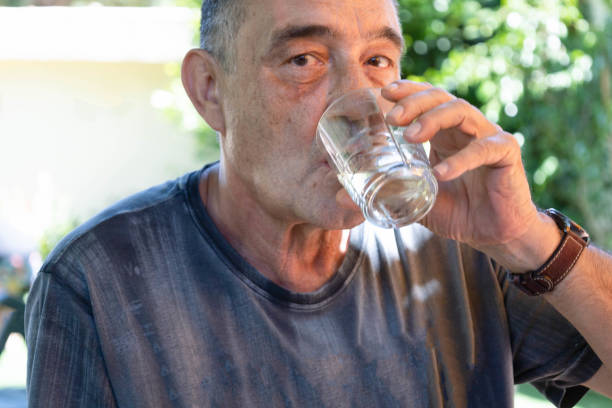
Dehydration in elderly nursing home residents can become dangerous very quickly because older adults are more vulnerable to fluid loss and often depend on caregivers for proper hydration. Common signs of dehydration include confusion, dry mouth, dizziness, fatigue, dark urine, and sudden weakness.
In severe cases, dehydration can lead to infections, hospitalization, organ problems, or even death. Families who understand the common symptoms of dehydration are better prepared to recognize warning signs early and protect their loved ones from serious health complications.
Dehydration is a common problem in nursing homes across the United States. Many elderly residents struggle with mobility issues, memory loss, swallowing difficulties, or medical conditions that make it harder to drink enough fluids throughout the day. Without proper supervision and care, dehydration can quickly become a life-threatening issue.
Why Elderly Nursing Home Residents Are at Higher Risk
As people age, the body naturally holds less water and becomes less efficient at conserving fluids. Older adults may also lose their sense of thirst, making it harder to recognize when they need more water.
Several factors increase dehydration risk in nursing homes, including:
- Dementia or Alzheimer’s disease
- Limited mobility
- Swallowing difficulties
- Medication side effects
- Chronic illnesses
- Dependence on caregivers for meals and drinks
Some residents may also avoid drinking fluids because they fear frequent bathroom trips or need assistance using the restroom.
Common Signs of Dehydration
Recognizing dehydration early is extremely important because symptoms can worsen rapidly in elderly individuals.
Dry Mouth and Cracked Lips
One of the earliest signs of dehydration is dryness in the mouth or lips. Residents may complain of thirst or difficulty swallowing.

Dark Urine or Reduced Urination
Healthy hydration usually produces light-colored urine. Dark urine or infrequent urination may indicate the body is lacking fluids.
Fatigue and Weakness
Dehydrated residents often appear unusually tired, weak, or low on energy. Simple tasks may suddenly become difficult.
Dizziness or Confusion
Confusion is a serious dehydration symptom in elderly adults. Residents may seem disoriented, forgetful, or mentally withdrawn.
Dizziness can also increase the risk of dangerous falls.
Dry Skin
Skin may become dry, flaky, or less elastic when the body lacks enough fluids.
Rapid Heart Rate
Severe dehydration may force the heart to work harder, leading to an increased pulse or low blood pressure.
Headaches
Some residents may experience headaches or migraines due to fluid loss.
Serious Complications of Dehydration
If dehydration is not treated quickly, it can cause major health problems for elderly nursing home residents.
Potential complications include:
- Urinary tract infections
- Kidney problems
- Heat exhaustion
- Seizures
- Low blood pressure
- Falls and fractures
- Hospitalization
In severe situations, dehydration can become fatal.
Because elderly adults are physically more fragile, even moderate dehydration may create serious medical emergencies.

How Nursing Home Neglect Can Contribute
In some cases, dehydration happens because nursing home residents do not receive proper care or supervision.
Neglect may occur when staff members:
- Fail to provide enough fluids
- Ignore warning signs
- Delay assistance with drinking
- Do not monitor fluid intake
- Leave residents unattended for long periods
Understaffing in nursing homes can also increase the risk of dehydration because caregivers may not have enough time to monitor every resident properly.
Residents Most Vulnerable to Dehydration
Some elderly residents face higher dehydration risks than others.
High-risk groups include residents with:
- Dementia
- Stroke-related disabilities
- Swallowing disorders
- Diabetes
- Kidney disease
- Mobility limitations
Residents who cannot communicate clearly may struggle to express thirst or ask for help.
Preventing Dehydration in Nursing Homes
Many dehydration cases can be prevented with proper care and attention.
Helpful prevention measures include:
- Offering fluids regularly throughout the day
- Monitoring fluid intake
- Providing assistance during meals
- Watching for early warning signs
- Adjusting care plans for high-risk residents
- Encouraging hydration during hot weather
Staff training is also important because caregivers must recognize symptoms before dehydration becomes severe.
Legal Responsibilities of Nursing Homes
Nursing homes have a legal duty to provide residents with adequate nutrition and hydration.
Federal regulations under 42 CFR § 483 require nursing homes participating in Medicare and Medicaid programs to maintain care standards that protect resident health and safety.
Additionally, the Nursing Home Reform Act established rights for residents to receive proper medical care and services.
If dehydration results from neglect or poor supervision, nursing homes may face legal consequences.
What to Do if You Suspect Neglect
If dehydration appears linked to poor care, families may need to take action quickly.
Helpful steps include:
- Requesting medical records
- Documenting symptoms with photos or notes
- Asking about staffing levels
- Reporting concerns to state agencies
- Consulting legal professionals if necessary
Early action may help prevent additional harm to the resident.
Key Takeaways
- Elderly nursing home residents face a higher risk of dehydration because of aging, medical conditions, and dependence on caregivers.
- Common dehydration symptoms include dry mouth, confusion, dizziness, fatigue, and dark urine.
- Severe dehydration can cause infections, kidney problems, falls, and hospitalization.
- Nursing home neglect and understaffing may contribute to dehydration cases.
- Federal regulation 42 CFR § 483 and the Nursing Home Reform Act require nursing homes to provide proper care and hydration.
- Families should monitor loved ones closely and report concerns immediately.