

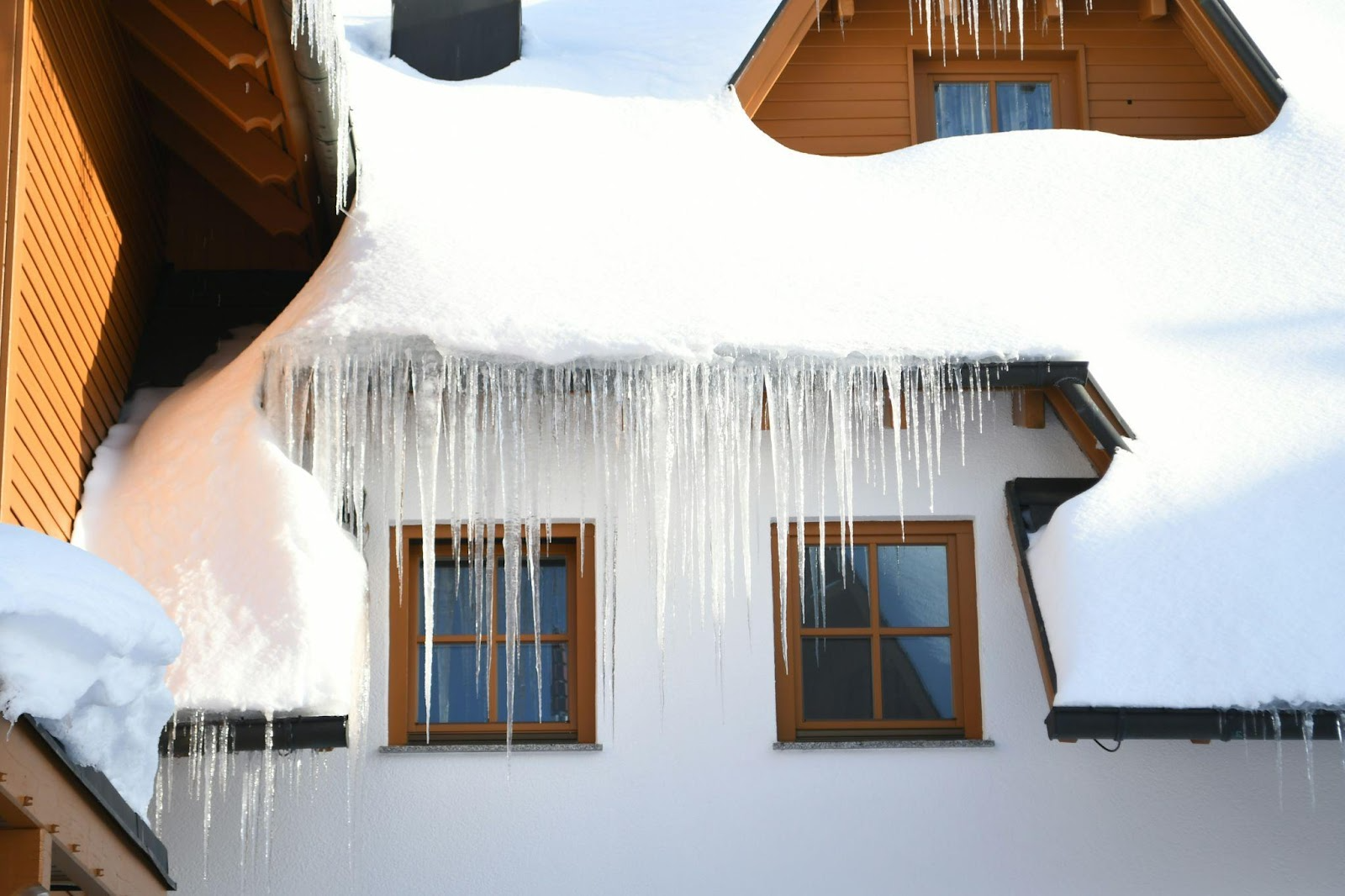
Northern Colorado winters are no joke, the early snow, dropping temperatures, windy nights, and icy roads can turn home maintenance into a serious challenge. Whether you’re new to the area or a longtime homeowner, taking steps now will help protect your home and family when the cold hits. From sealing drafts to winterizing pipes to knowing what to do with overflow items, being prepared goes beyond the basics. And if your house ends up overstuffed with gear or seasonal items, considering self storage can help you clear space, reduce risks, and organize for winter’s demands.

Insulation: The First Line of Defense
If warmth escapes through gaps, no amount of heating will feel efficient. A well-insulated home keeps your furnace from working overtime.
- Attic & Roof: Heat rises, poor attic insulation or gaps around vents, chimneys, and roof edges allow heat loss. Adding or refreshing rolled or blown insulation can make a huge difference.
- Walls & Windows: Older single-pane windows are common in NOCO homes. Upgrading to double-glazed or storm windows, and sealing leaks with weather-stripping or caulk, helps retain warmth.
- Floors & Basements: Cold floors or crawl spaces can pull warmth downward. Insulating basement ceilings or under floor joists and sealing rim joists reduces drafts and heat loss.
- Doors & Entry Points: Exterior doors and garage entries are often sources of heat loss. Install door sweeps, replace weather seals, and ensure tight latches.
Utilities: Preparing for the Freeze
Winter stresses more than just your heating system. Here are utilities to check and prep:
- Heating System Tune-up: Schedule service for your furnace, boiler, or heat pump. Clean or replace filters, ensure vents are open and unobstructed, and test thermostat operations.
- Plumbing Protection: Outdoor faucets and hose bibs should be drained; install insulated covers. Inside, leave cabinet doors under sinks open to allow warm air circulation around pipes. If temperatures are expected to plunge, let faucets drip slightly to prevent freezing.
- Water Heater & Pipes: Water heaters functioning in very cold homes have to work harder. Maintain appropriate settings, flush tank sediments, and insulate exposed pipes, especially in unconditioned spaces.
- Electrical Preparedness: Snow and wind can knock out power. Ensure alternative lighting works, and invest in surge protectors. If you have electric heating or pumps, think ahead about backup sources.
Emergency Storage & Decluttering Before the Winter Chill
When temperatures drop, it’s not just snow you need to manage. Overcrowded garages, cluttered basements, or outdoor items left in the driveway pose hazards. Emergency access can be blocked, snow removal made difficult, or items damaged. Here’s how to use storage and organizing to reduce risk:
- Remove or cover outdoor furniture, grills, and equipment that can accumulate snow or ice.
- Move stored items off floors in basements susceptible to moisture.
- If you have excess gear (holiday decorations, unused lawn equipment, furniture), decluttering or using self storage units can prevent blockage, dampness damage, and hazards during heavy snowfall or storms.
- Keep pathways clear for snowplows and emergency egress. Store shoveled snow away from vents, meters, and foundation areas.
Safety Measures & Emergency Supplies
Winter emergencies often come with power outages, frozen pipes, or stranded vehicles. Being ready can reduce impact and danger.

- Emergency Kit: Keep blankets, flashlights, extra batteries, nonperishable food, bottled water, first aid supplies, and medications accessible.
- Carbon Monoxide Safety: If using gas heating or fireplaces, ensure detectors are functional and vents are clear.
- Power Backup: Consider a generator or battery backup for key systems (heating, fridge, water pump). Know homeowner’s insurance rules and local permitting.
- Communication & Alerts: Sign up for county or city winter storm alerts. Keep mobile devices charged and have a backup power bank.
The U.S. Department of Energy provides excellent guidance on home weatherization: sealing air leaks, upgrading insulation, and maintaining heating systems can reduce energy bills significantly over the winter. Their recommendations are tailored for all climates, including cold regions like ours.
Local programs in Colorado also often offer audit services or rebates for energy upgrades. Checking with Larimer County, Weld County, or your city’s housing department may reveal cost-sharing opportunities for insulation, window upgrades, or furnace maintenance.
Prioritizing Projects for Winter Readiness

It helps to sequence your work so essential upgrades happen early, allowing time before the worst weather arrives.
- High priority: Roof leaks, missing insulation, drafty windows, plumbing exposed to cold, non-functional heating systems.
- Mid priority: Upgrades like storm windows, insulating floors or basements, sealing ductwork.
- Lower priority: Cosmetic upgrades or non-urgent exterior maintenance (but don’t leave damage that could worsen with ice or snow).
Local Resources & Community Support
Northern Colorado has a strong support network for homeowners:
- Local hardware stores often stock winterization supplies (insulation, pipe wrap, weather stripping) and can give advice on region-specific issues like freeze cycles.
- Community workshops or home-improvement stores sometimes offer “winterization clinic” events where volunteers help seal homes or distribute cold weather safety kits.
- Non-profits and utility companies may offer low-income assistance or rebates for insulation or efficient heating systems.
Stay Proactive: Winter Wins for Prepared Homeowners
Bracing for winter in NOCO isn’t just about enduring the months of cold, it’s about staying warm, reducing costs, protecting your home, and keeping your family safe. Insulation, utility care, emergency storage, and a little planning go a long way. Take it step by step, prioritize what matters most, and use local resources available to you. Doing that now means you spend less time repairing, more time enjoying the ski trips, hot cocoa by the fireplace, and the beauty of winter in Northern Colorado.