

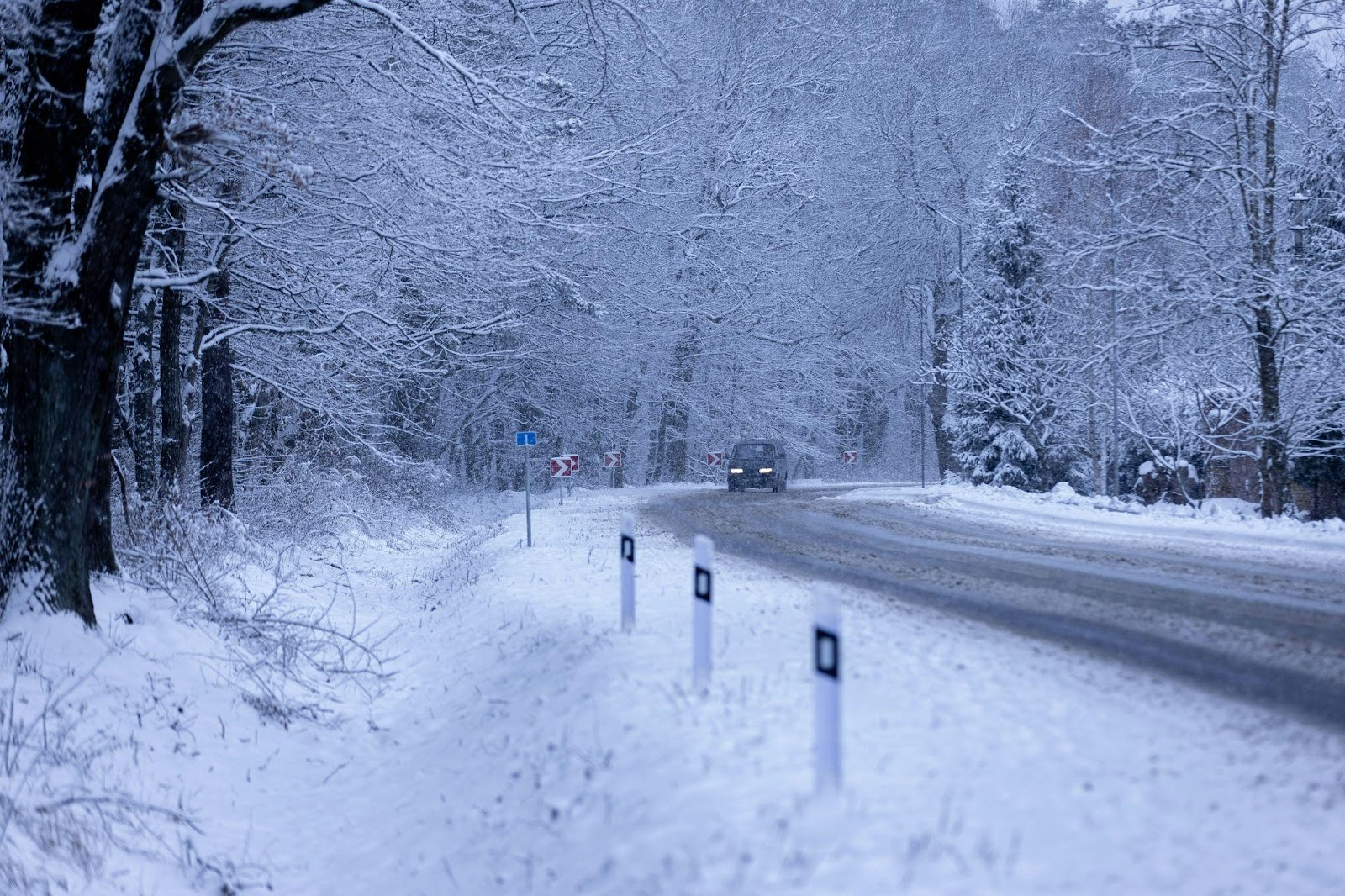
Northern Colorado winters can be beautiful, pristine snow, crisp air, and expansive vistas, but the conditions can change fast. A sudden storm, icy roads, or unexpected snow can turn a routine drive into a dangerous situation. That’s why it pays to plan ahead. From packing a survival kit to knowing when to call a tow truck, being prepared can make all the difference if things go wrong on the road.
Why Winter Driving Is Risky in Northern Colorado
Several factors make winter driving particularly challenging here:

- Weather volatility: Snow, sleet, freezing rain, and sudden blizzard conditions can arise without much warning, especially at higher elevations or near mountain passes.
- Roadway features: Bridges, overpasses, and shaded portions of road tend to freeze first, creating black ice patches that are nearly invisible.
- Rural exposure: Many rural roads are less maintained, cleared, or salted immediately. If a vehicle becomes disabled far from main roads, help can be delayed.
- Vehicle strain: Cold kills batteries, thins motor oil, and puts stress on tires and braking systems. Minor mechanical issues in warm weather become major liabilities in freezing temperatures.
Pre-Winter Vehicle Checks: What to Inspect
Don’t wait for the first snow to realize your car isn’t ready. Here are key checks to do before the deep winter sets in:
- Tires: Make sure the tread depth is sufficient, and consider installing winter tires. Check all weather tires too, they only work well if they are high quality and properly inflated. Cold weather reduces tire pressure, so a check once temperatures fall is crucial.
- Battery and charging system: Batteries lose efficiency in cold weather. A weak battery, corroded terminals, or worn belts can lead to failures.
- Fluids & heating systems: Inspect antifreeze/coolant levels, ensure windshield washer fluid is of winter grade, and that heater and defrosters are working well.
- Lights, wipers, and visibility: Replace worn wiper blades, ensure headlights and taillights are clear of snow and ice, and verify turn signals and brake lights function properly.
Also, keep an automotive checklist from Colorado Department of Transportation (CDOT) handy, their winter preparedness advice includes many of these items and is specifically tailored to CO road and weather conditions.
Building Your Winter Road Emergency Kit

Image from Unsplash

If something does go wrong, a flat tire, getting stuck, or sliding off a rural road, having the right supplies can make a tough situation safer. Essentials include:
- Snow shovel, broom, ice scraper
- Tire chains and tow strap
- Flashlight with extra batteries or a crank-powered lantern
- Blankets, warm clothing, extra gloves and footwear
- Food and water (snacks like energy bars)
- First aid kit & medications
- Reflective triangles or flares, and warning devices
- Jumper cables
Driving Tips for Winter Conditions
Once you’re on the road, follow these practices to stay safe:
- Slow down & increase following distance
Wet or icy road surfaces mean stopping takes much more distance. Leave more space between you and the vehicle ahead. - Avoid sudden maneuvers
Smooth acceleration, gentle turns, and gradual braking help reduce the risk of spin-outs or slips. - Be cautious on bridges & overpasses
These often freeze first and can be deceptive. - Know how to handle black ice
If your vehicle begins to skid, remain calm. Ease off the gas, steer gently in the intended direction, and avoid slamming brakes. - Keep an eye on weather, road alerts, and closures
Use resources like COtrip.org or CDOT alerts to monitor road conditions before traveling.
What to Do If You Find Yourself Stranded
Even with all precautions, emergencies happen. If your vehicle gets stuck or disabled:
- Stay with your car: it’s safer than walking in cold or hazardous conditions.
- Make sure your car is visible: flashers, reflective triangles, or brightly colored cloth tied to side mirrors help.
- Use your resources wisely: conserve fuel and heat, and keep your exhaust pipe clear of snow or blockages.
- Keep the phone charged and notify someone of your location.
- In serious situations, don’t hesitate to call a tow truck, reputable towing services are often quicker, safer, and more reliable than trying to fix the problem alone.
Preparing Mentally and Logistically
Resilience isn’t only about gear and car readiness. Consider these:
- Route planning: Stick to main roads if possible. Mountain passes or less-traveled side roads may not be plowed promptly.
- Travel timing: Avoid driving during predicted peak winter storm periods, or at night when visibility is lower.
- Communication plan: Let someone know your route and anticipated arrival times. In rural areas, cell signal can be patchy.
- Vehicle insurance & roadside assistance: Confirm your insurance covers winter hazards; consider roadside assistance plans for towing or recovery.
Community Support and Local Resources
Northern Colorado is a strong community; neighbors look out for each other, and local agencies provide support:
- Local sheriff and county offices often share winter safety alerts and road closure information.
- Organizations like the Colorado AAA offer winter checks and tips.
- CDOT and Colorado State Patrol maintain real-time road condition reporting and weather advisories.
Prepare Now, Stay Safe
Winter in Northern Colorado brings its challenges, but also its rewards. With advance preparation, cautious driving, and having the right equipment and mindset, you can reduce risks and travel safely despite snow or ice. Planning ahead, keeping emergency gear in your car, and knowing what to do if things go wrong can make a huge difference. Stay vigilant, stay informed, and stay warm.