

By North Forty News Staff | NorthFortyNews.com
Western Colorado field trials aim to help farmers adapt to hotter temperatures, shrinking water supplies, and increasingly unpredictable growing conditions.
As Colorado faces a future marked by rising temperatures and growing water challenges, Colorado State University researchers are working to identify crops and farming practices that can help producers remain productive in a hotter, drier climate.

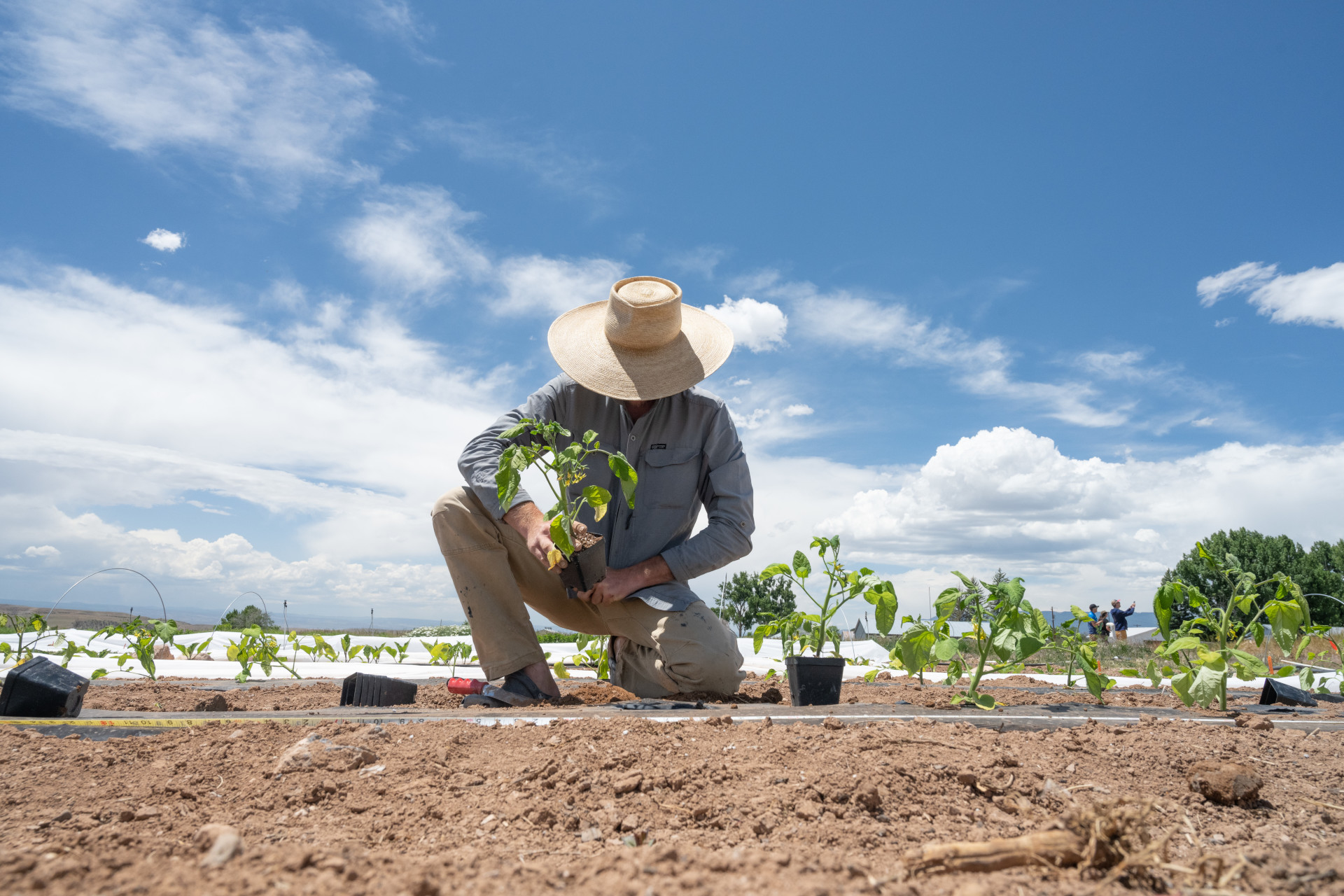
At CSU’s Colorado State University Western Colorado Research Center, scientists are evaluating drought-tolerant crop varieties and organic management strategies designed to help farmers adapt to changing environmental conditions. The research focuses on identifying practical solutions to sustain agricultural production while reducing dependence on increasingly scarce water resources.
Researchers are studying how alternative crops perform under Western Slope conditions, where water shortages and drought have become more common. The work includes testing forage crops that may require less irrigation than traditional options while still providing economic value to producers and supporting Colorado’s agricultural economy.
The effort comes as agriculture across the West faces mounting pressure from reduced snowpack, declining reservoir levels, and long-term climate trends. CSU scientists say identifying resilient crop systems will be critical for helping farmers and ranchers continue producing food and livestock feed under increasingly challenging conditions.
In addition to crop trials, researchers are examining soil health practices and organic farming approaches that may improve water retention and overall resilience. The findings could help producers make more informed decisions about crop selection, irrigation strategies, and land management as climate conditions evolve.

The research reflects CSU’s broader commitment to developing practical agricultural solutions for Colorado producers while addressing the realities of a changing climate. Results from the ongoing trials are expected to provide valuable guidance for growers across the state and throughout the arid West.
| A note from Publisher Blaine Howerton Agriculture remains at the heart of Northern Colorado’s economy and identity. As water challenges continue to reshape the West, research like this helps farmers, ranchers, and communities prepare for the future. If local agriculture, water, and community news matter to you, consider supporting independent journalism with a subscription to North Forty News. |

Source: Colorado State University College of Agricultural Sciences