

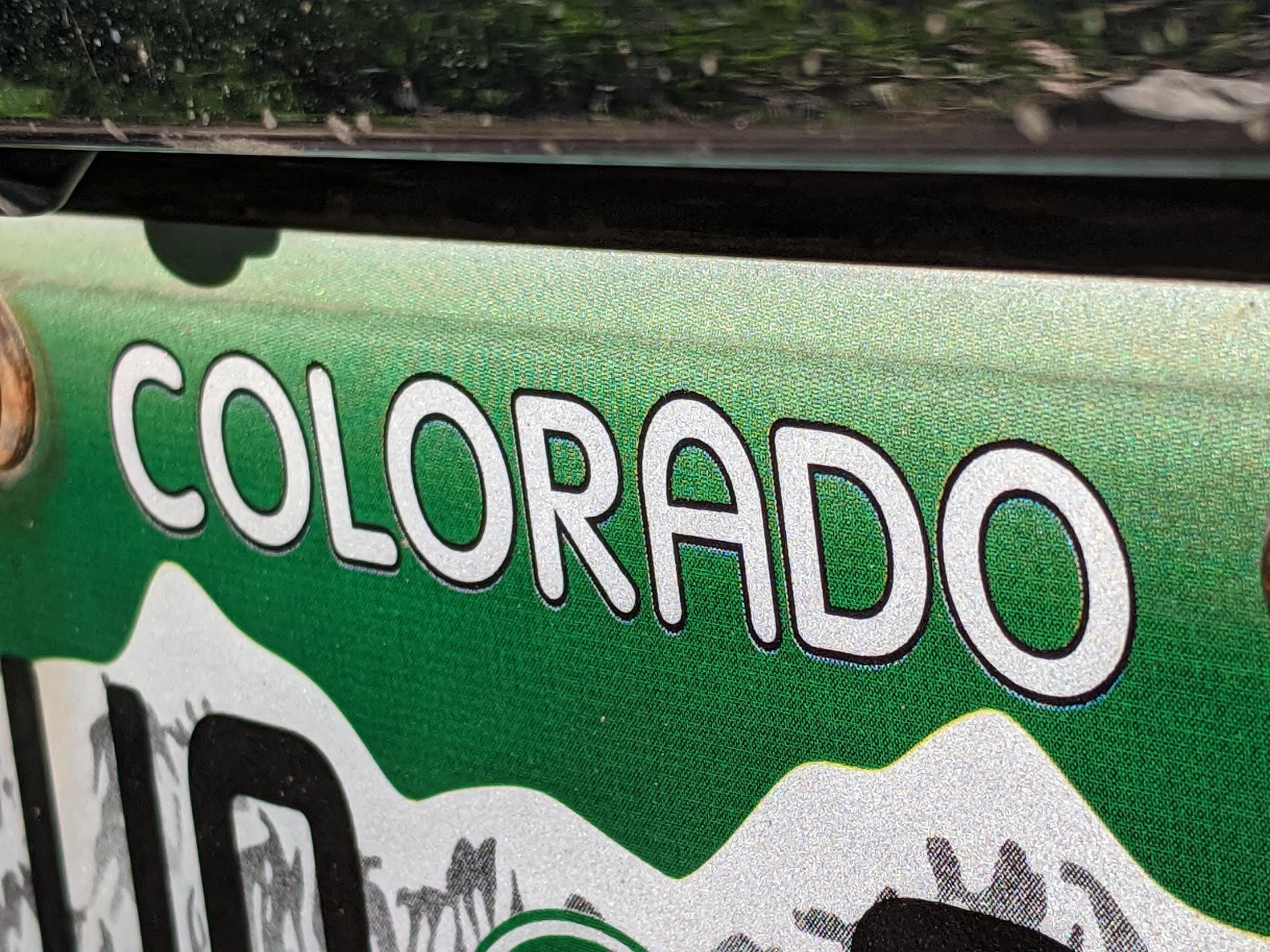
So you’re cruising around Colorado, and you’ve noticed something. Some cars have license plates on both the front and back, while others rock just the rear plate.
Does Colorado require a front license plate? It’s a question that pops up more often than you’d think, especially when you’re buying a new car or moving to the Centennial State.
Here’s the thing, though. The answer isn’t just a simple yes or no. There are rules, exceptions, and consequences that come with Colorado’s license plate laws.
Whether you’re a longtime resident or just moved here from a state where front plates weren’t required, understanding these regulations can save you from unnecessary tickets and headaches down the road.
Why Colorado Makes You Display Two Plates
Ever wonder why Colorado bothers with front license plates at all? It’s not just bureaucratic red tape. Law enforcement agencies actually rely on those front plates for some pretty important reasons. When officers need to identify vehicles involved in crimes, crashes, or traffic violations, having a plate visible from both directions makes their job significantly easier.

Think about it. On busy highways or during traffic stops with oncoming vehicles, spotting a license plate from the front can be crucial. Plus, those automated systems you encounter daily, like toll collection and red-light cameras, work much better when they can capture plates from multiple angles. Colorado considers front plates essential for keeping roads safe and efficient.
What the Law Actually Says
Colorado Revised Statutes § 42-3-202 spells out the requirements pretty clearly. Most passenger vehicles, trucks, and SUVs need to display two license plates. One goes on the rear (obviously), and the other must be securely mounted to the front, at least 12 inches from the ground and visible from the front of the vehicle.
Not following these rules? You’re technically committing a class B traffic infraction. While fines vary depending on where you get pulled over, a ticket for a missing front plate typically runs between $25 and $100, plus court costs. Sure, it might seem minor, but those costs can add up quickly if you keep getting caught or run into a particularly strict officer.
When You Actually Don’t Need a Front Plate
Before you panic about your current setup, know that not every vehicle in Colorado needs a front license plate. Are you wondering if your ride might qualify for an exception? Here are the main categories that get a pass.
Motorcycles and trailers only need one plate on the rear, which makes perfect sense given their design. Historic or collector vehicles might qualify for single-plate use, depending on their age and how they’re registered with the state. Some specialty or custom vehicles with unique front-end designs can receive exemptions if there’s genuinely no practical way to mount a front plate.
But here’s the catch. These exceptions are pretty narrow. Most everyday vehicles, especially standard passenger cars, are expected to comply with the two-plate rule. Don’t assume your car qualifies unless you’ve specifically checked with the DMV.
Why Drivers Risk Going Without
Despite the legal requirements, plenty of Colorado drivers intentionally skip mounting their front license plate. Car enthusiasts often feel that front plates mess with their vehicle’s clean lines, particularly on sports cars and luxury rides. Can you blame them? Some cars just look better without that extra piece of metal up front.

Vehicle design creates another hurdle. Cars imported from states without front plate laws often don’t come with mounting brackets, making installation more complicated than just screwing in a few bolts. Many drivers also assume police rarely enforce the law unless they’re already pulled over for something else.
While some officers might overlook a missing plate, there’s absolutely no guarantee. Enforcement varies wildly from one city or county to another, so you’re basically rolling the dice every time you drive.
What Could Go Wrong
Even if you’ve been driving around for months without a front plate, you’re still at risk for some real consequences. A police officer can pull you over solely for not having a front plate and write you a ticket. No other violation needed.
Vehicle inspections or emissions tests might flag your car for non-compliance, which could delay your registration renewal. Traffic cameras that only capture the front of your vehicle might let you slide on a ticket, but this can also complicate investigations if your car gets involved in an accident or crime.
Insurance claims can become more complicated too. If your vehicle can’t be properly identified in a claim or hit-and-run case, you might face additional headaches. Even a minor ticket will likely cost you more in time, hassle, and fines than simply installing the plate would have.
Making Your Car Compliant Without Ruining Its Look
What if your vehicle didn’t come with a front plate bracket? Don’t stress about it. There are plenty of solutions that won’t destroy your car’s aesthetics. Many carmakers sell brackets designed to fit seamlessly into your vehicle’s front bumper, maintaining that factory look.

No-drill mounting kits use existing grille openings or tow hook mounts to install a plate without putting holes in your bumper. Specialty shops offer custom mounts that keep plates secure but less visually intrusive. Whatever method you choose, make sure the plate stays securely fastened and fully visible, as required by law.
New to Colorado? Here’s Your Timeline
Moving to Colorado from a state without front plate requirements? You’ve got some prep work to do. Within 90 days of establishing residency, you must register your vehicle and comply with Colorado’s two-plate rule. New residents often forget about the front plate until they’re pulled over or fail an inspection.
Planning ahead saves you trouble later. If your vehicle doesn’t already have mounting hardware, pick up a kit before you need it. This way, you’re ready to go when registration time comes around.
The Bottom Line
Does Colorado require a front license plate? For most vehicles, absolutely yes. While a missing front plate might seem harmless, it plays a crucial role in law enforcement, traffic safety, and even insurance claims. Taking the time to install your front plate properly keeps you compliant, helps you avoid unnecessary fines, and ensures your vehicle can be easily identified for safety and security on the road.
Stay legal, stay safe, and drive with confidence on Colorado’s beautiful roads.