

by North Forty News Staff | NorthFortyNews.com
Common nationwide, CSU’s audible warning system stands out in Fort Collins
FORT COLLINS, Colo. — It’s not a rare system — it’s just one of the few places where the public actually hears it.
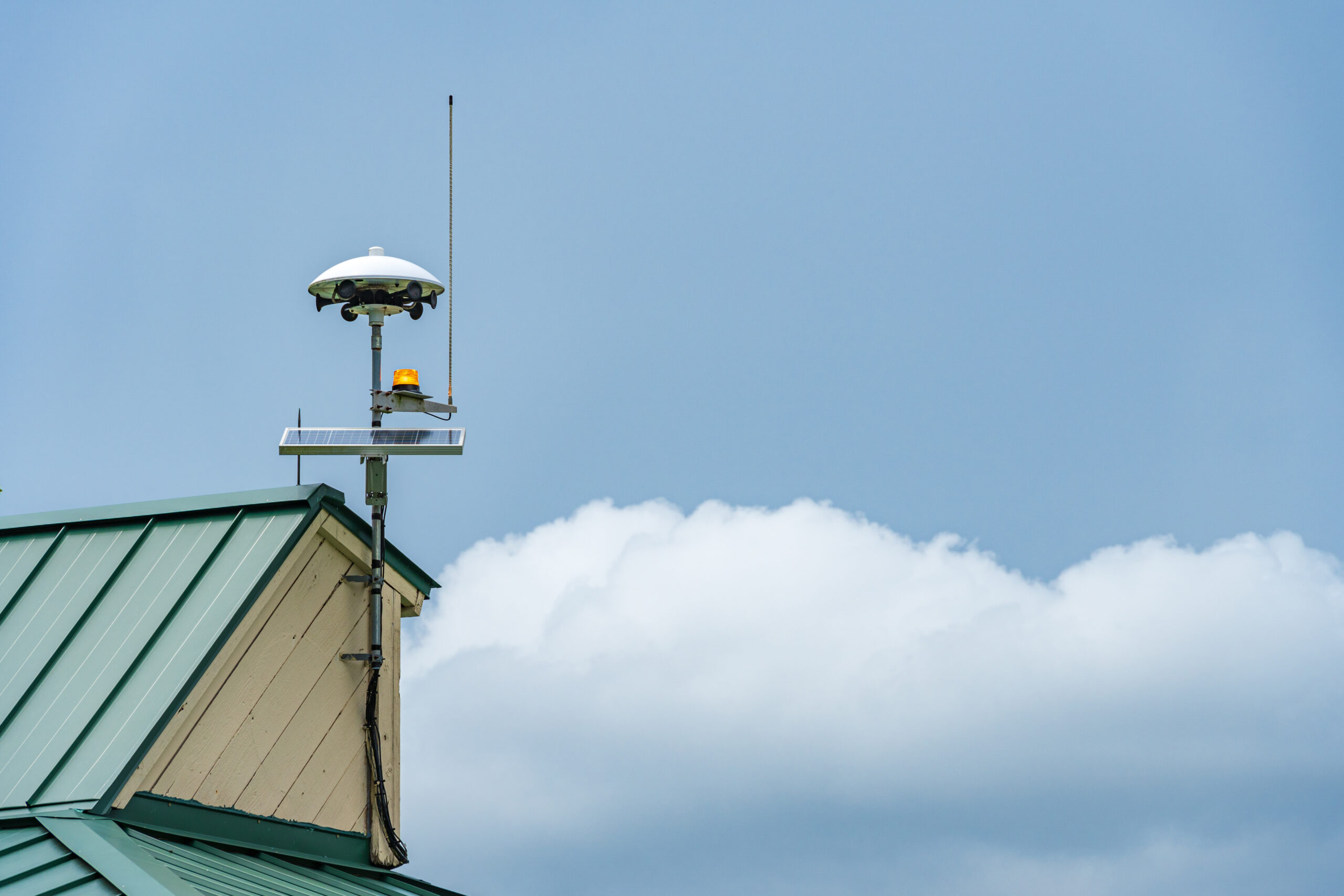
As spring storms return to Northern Colorado, a loud 30-second horn near the Colorado State University campus has many residents pausing and wondering what’s happening. The sound is part of the university’s lightning detection and alert system — a safety tool widely used across the country, but rarely this noticeable.

Across the United States, similar systems operate quietly in places where people gather outdoors, including universities, athletic complexes, golf courses, amusement parks, and military installations. These systems rely on real-time lightning detection networks to monitor storms and trigger alerts when strikes move within a dangerous range.
At CSU, that alert comes in a way that’s hard to miss: a single 30-second horn blast signaling that lightning has been detected nearby and outdoor activity should stop immediately. Once conditions improve, three short blasts signal the all-clear.
The system is installed at key outdoor activity areas across campus, including the Student Recreation Center fields, Jack Christiansen Memorial Track, and the Tennis Pavilion — locations where large numbers of people are often outside and exposed to rapidly changing weather.
The system continuously tracks lightning within several miles of campus. When strikes move close enough to pose a risk, it activates automatically — not because lightning is striking at that exact moment, but because conditions are dangerous enough that it could.
While many residents are just now noticing the system, it’s not new — CSU has used lightning detection and warning technology on campus for years, and recently upgraded the system to improve coverage and reliability.

What makes Fort Collins different is not the technology itself, but how it’s experienced.
In many locations, lightning detection systems are confined to specific facilities or rely on quieter alerts, such as mobile notifications or internal alarms. At CSU, the audible horn carries beyond campus into surrounding neighborhoods. According to CSU safety documentation, the horn can be heard from as far as roughly 700 yards away — helping explain why residents nearby regularly hear the warning even when they’re not on campus.
That audibility has led to confusion. Some residents mistake the sound for a tornado siren or an industrial signal, especially in a region where large-scale public warning sirens are uncommon.
But the purpose is simple: to protect people outdoors in a place where the weather can shift quickly.
With thunderstorm season underway, understanding that the sound is part of a widely used yet rarely heard safety system can help residents respond quickly — and recognize that what feels unusual in Fort Collins is actually a common layer of protection quietly at work across the country.
Make North Forty News part of your morning. Get Northern Colorado’s top stories, weather, and events every day at 5 a.m. in our Daily Update.
Source: Colorado State University