
By North Forty News Staff | NorthFortyNews.com
Native fish downlisted from endangered to threatened after decades of collaborative conservation
GRAND JUNCTION, Colo. – Colorado Parks and Wildlife (CPW) is celebrating a major conservation achievement after the U.S. Fish and Wildlife Service finalized the downlisting of the razorback sucker from endangered to threatened under the Endangered Species Act.
The decision recognizes more than 30 years of recovery efforts involving multiple states, Tribes, federal and state agencies, water users, hydropower interests, and conservation organizations working together through the Upper Colorado River Endangered Fish Recovery Program and the San Juan River Basin Recovery Implementation Program.

“Colorado Parks and Wildlife fully supports this decision, which validates more than three decades of collaborative recovery work across multiple states and river basins,” said Jenn Logan, CPW’s native aquatic species manager. “While the razorback sucker still faces challenges, especially during drought years like this one, the species status has improved. This milestone is proof that dedicated partnerships, habitat management, and education can reverse the trajectory of our native species.”
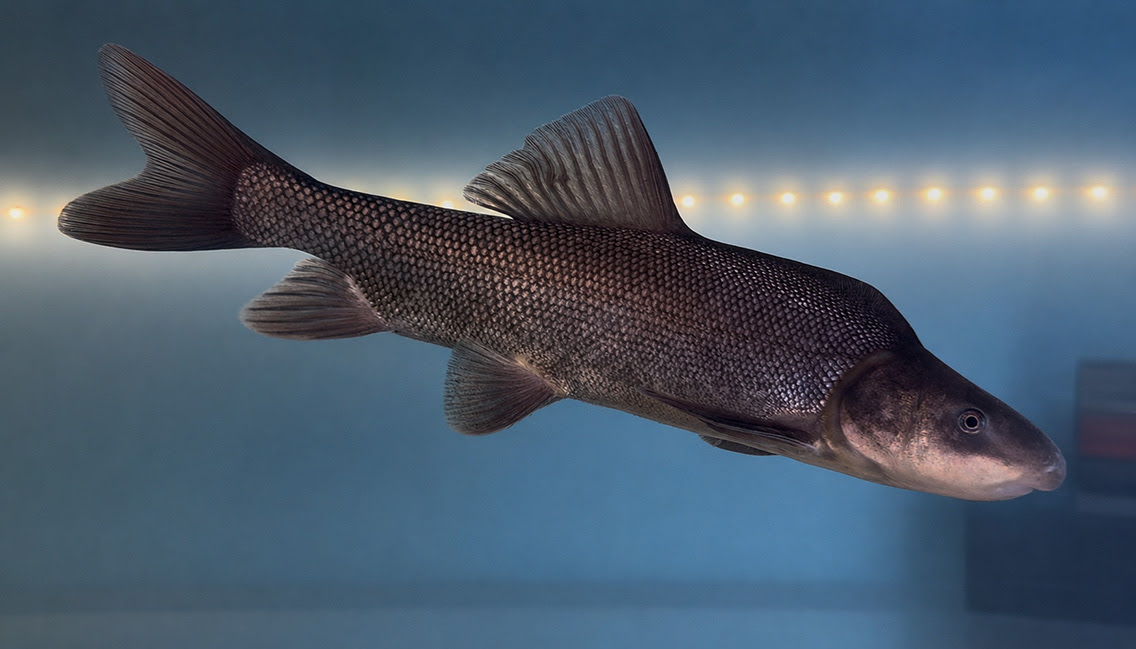
The razorback sucker, one of North America’s largest sucker species, was first listed as endangered in 1991 after habitat fragmentation from dams and predation by introduced nonnative fish significantly reduced wild populations. Recognized by the prominent bony ridge behind its head, the fish is native to the Colorado River Basin.
Although the species’ status has improved, CPW officials emphasized that recovery work will continue. Ongoing management will focus on maintaining river flows, expanding wetland habitat, stocking native fish, and addressing environmental pressures that still threaten long-term recovery.
Education remains a key component of the conservation effort. For more than two decades, CPW has partnered with the Upper Colorado River Endangered Fish Recovery Program to operate the Classroom Aquarium Program, where kindergarten through eighth-grade students in the Grand Valley raise razorback suckers before releasing them into the Colorado River each spring at James M. Robb–Colorado River State Park.

CPW also supports a student-operated hatchery at Palisade High School, where students have successfully raised and released more than 1,500 native fish into the Colorado River while gaining hands-on experience in fisheries biology.
The agency is expanding public outreach through a partnership with the Grand Junction Razorback Suckers minor league baseball team. Fans attending games at Suplizio Field will have opportunities to see live razorback suckers and learn about the ongoing conservation efforts that have helped improve the species’ outlook.
Officials say the downlisting demonstrates that sustained partnerships, habitat restoration, and public education can make a measurable difference in recovering native wildlife, while acknowledging that continued management will be essential to ensure the razorback sucker’s future.
Support Local Journalism
Every day, North Forty News brings you trusted reporting on the people, places, and issues shaping Northern Colorado and our state. If you value independent, locally owned journalism, please consider becoming a supporting member.
Source: Colorado Parks and Wildlife