

By North Forty News Staff | NorthFortyNews.com
Boyd Lake boating ends for the season while Douglas Reservoir opens emergency fish salvage as low water levels continue affecting outdoor recreation.
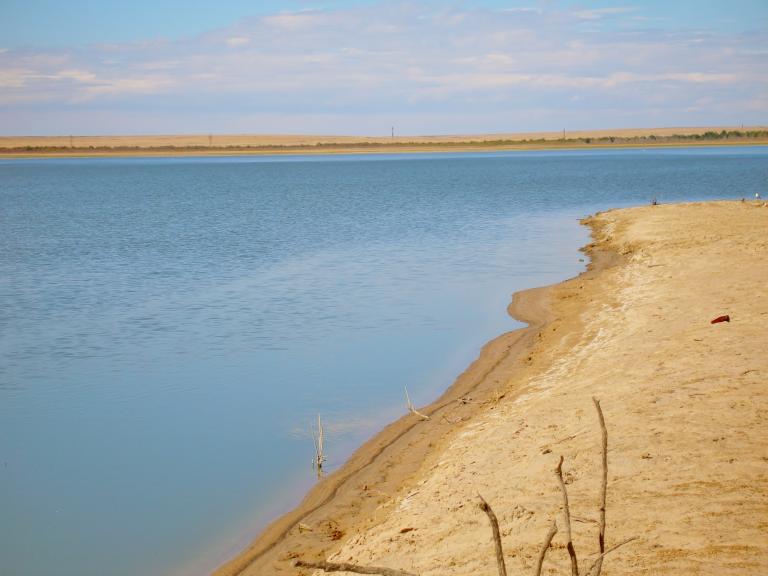
LARIMER COUNTY, Colo. – Persistent drought and declining reservoir levels are changing how Northern Colorado residents enjoy the outdoors this summer, with Colorado Parks and Wildlife announcing an emergency public fish salvage at Douglas Reservoir, while Boyd Lake has ended boating for the remainder of the season.

The latest developments reflect growing impacts of a below-average snowpack and increased irrigation demand across the region, prompting resource managers to adapt recreational opportunities while protecting public safety and fish populations.
At Douglas Reservoir State Wildlife Area, west of Wellington, Colorado Parks and Wildlife has approved an emergency public fish salvage after the Windsor Reservoir and Canal Company began lowering water levels to meet irrigation needs. The temporary regulations allow anglers age 16 and older with a valid 2026 Colorado fishing license to harvest fish without bag or possession limits. All legal methods of take are permitted, although commercial angling, cast netting, and seining remain prohibited.
CPW warns that boat ramp access at Douglas Reservoir may soon become unavailable as water levels continue to decline. The reservoir is also known to contain Eurasian watermilfoil, an aquatic invasive plant, making it especially important for anglers to clean, drain, and dry their boats and gear before leaving the area.

Meanwhile, Boyd Lake State Park near Loveland closed its boat ramps on June 28 after reservoir levels dropped to just a few feet at the launches. Hand-launched watercraft, including kayaks and paddleboards, remain welcome, and swimming is still permitted. However, park officials caution that lower water levels may lengthen emergency response times on the lake.
The two actions highlight how drought is affecting recreation across Northern Colorado, with water managers balancing municipal and agricultural demands while state agencies work to preserve fisheries and maintain public access wherever possible.
Colorado Parks and Wildlife encourages anglers to avoid transporting live fish between waters and to inspect and clean all fishing equipment to help prevent the spread of aquatic nuisance species.
As summer continues, visitors are encouraged to check current reservoir conditions before heading out, as water levels and access points may continue to change.
Water levels, recreation opportunities, and outdoor conditions can change quickly during Colorado’s dry summer months. North Forty News keeps you informed with local reporting that helps you plan your next adventure safely and confidently.
Become a North Forty News member.
Sources: Colorado Parks and Wildlife; Boyd Lake State Park.