

Fall watering, mulch and cleanup can help Northern Colorado landscapes withstand cold, dry conditions
By North Forty News Staff | NorthFortyNews.com
Colorado homeowners heading into fall can take several steps now to help lawns, gardens, trees and shrubs make it through winter in better condition.
After a warm, dry growing season, Colorado State University Extension horticulture specialists recommend paying particular attention to soil moisture, mulch, garden cleanup and the needs of plants before freezing temperatures arrive.
Here are eight ways CSU Extension specialists recommend preparing landscapes for fall and winter.
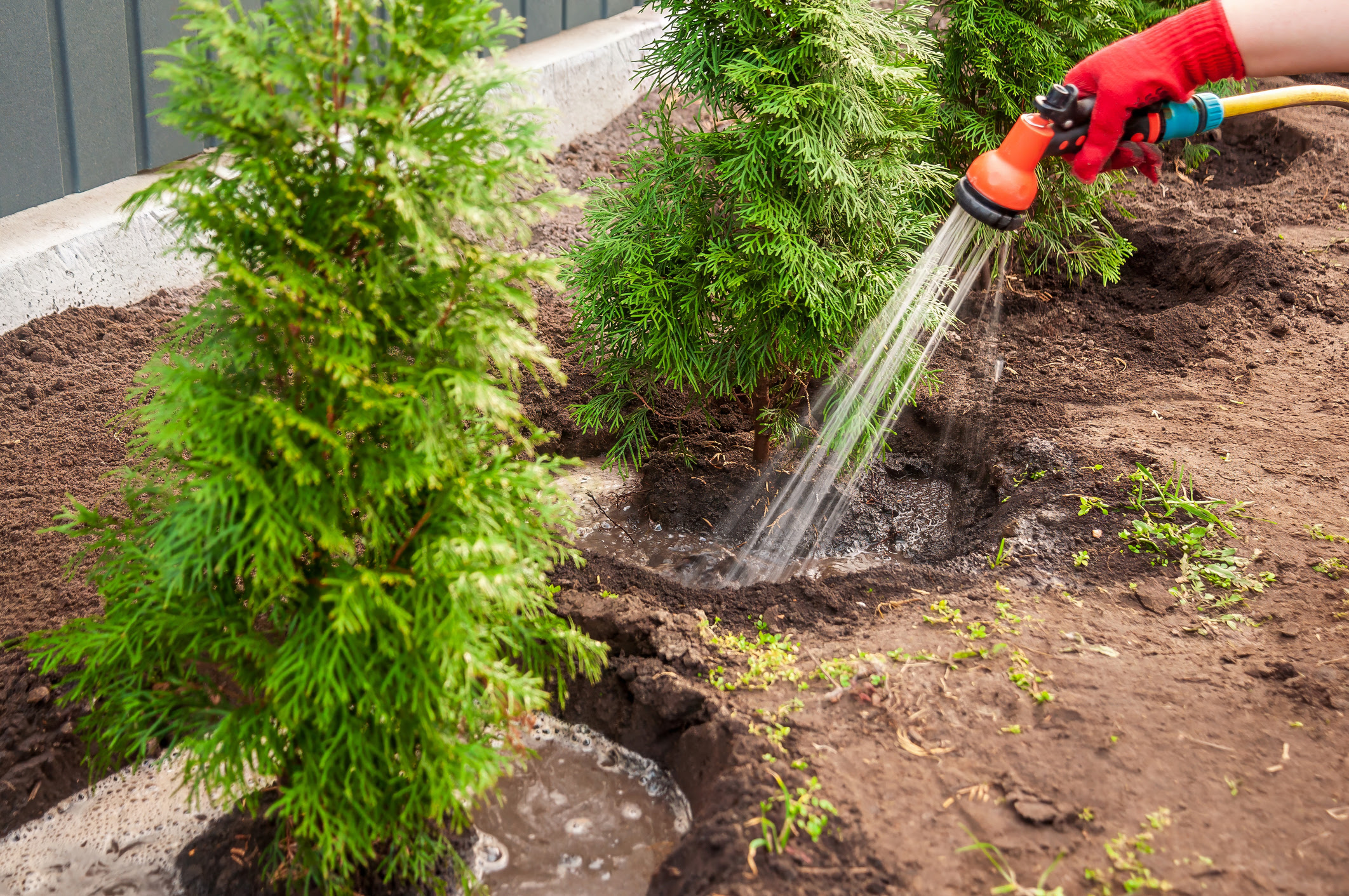
1. Give Trees and Shrubs a Deep Watering
Before temperatures get too cold, homeowners should thoroughly water trees and shrubs, particularly when fall precipitation has been limited.
John Murgel, a Douglas County horticulture specialist with CSU Extension, recommends watering an area around a tree or shrub approximately as wide as the plant is tall — extending beyond the dripline.
A soaker hose or sprinkler can do the job. According to Murgel, specialized deep-root watering equipment generally isn’t necessary because many of the fine roots responsible for absorbing water and nutrients are within the upper several inches of soil.
“Apply enough water to thoroughly moisten the soil through that rooting zone,” Murgel said.
Homeowners can use a screwdriver or dig a small hole to determine how moist the soil is before watering. Applying water slowly helps it soak into the ground rather than running off.

2. Replenish Mulch
Fall is also a good time to add or replenish mulch around trees, shrubs and garden beds.
Chris Hilgert, a CSU Extension horticulture state specialist and director of the Colorado Master Gardener Program, recommends a 3- to 4-inch layer. Mulch can conserve moisture, moderate soil temperatures, suppress weeds and protect roots from temperature extremes.
Weeds should be removed before adding mulch.
Homeowners should also avoid piling mulch against tree trunks. The practice can create what horticulturists sometimes call a “mulch volcano,” which can cause problems for trees.
3. Consider Fall Planting
Cooler fall weather can provide favorable conditions for planting trees and shrubs.
Lower temperatures reduce heat and water stress while soils may remain warm enough for roots to begin establishing before winter.
New plants still need consistent moisture, particularly during dry weather. Because newly planted trees and shrubs haven’t yet developed extensive root systems, watering should initially concentrate around the plant’s existing root area.
4. Clean Up the Vegetable Garden
Harvesting the last tomato or pepper shouldn’t necessarily mark the end of garden work for the year.
Heather Houk, a CSU Extension horticulture and agriculture specialist based in Durango, recommends removing spent vegetable plants and dead leaves.
“It’s important to cut the plants low to the ground or pull them out and rake up any dead leaves,” Houk said.
Removing potentially diseased plant material can reduce the chance that pathogens survive the winter and cause problems during the next growing season.
5. Protect Empty Garden Beds
Once vegetable plants have been removed, exposed soil can provide an opportunity for weeds.

One alternative is planting a cover crop.
Houk recommends considering combinations of legumes, grains and brassicas, particularly in difficult or compacted soils.
Clover, hairy vetch and peas can add nitrogen. Rye, oats and winter wheat can help compete with weeds while contributing organic matter. Daikon radishes and similar deep-rooted plants can also help break up compacted soil.
6. Renew a Tired Lawn
Fall can be a useful time to overseed lawns that need improvement.
Houk recommends considering seed mixtures containing drought-tolerant grasses and legumes such as clover. Overseeding can improve turf density and help lawns compete with weeds during the following growing season.
Fertilizer timing depends on the type of grass.
Cool-season grasses such as Kentucky bluegrass can benefit from fall feeding, while warm-season grasses generally should be planted and fertilized in spring.
Homeowners can find additional guidance through CSU Extension’s lawn care resources.
7. Give Tender Plants a Little Extra Protection
Some plants grown in Colorado sit near the edge of their cold-hardiness range, including certain English lavenders, salvias and Agastache varieties.
Amanda Weidner, a CSU Extension horticulture specialist in Pueblo County, recommends placing medium-sized rocks or landscape blocks about 4 to 6 inches from vulnerable plants.
The material acts as a heat sink, adding thermal mass that can moderate rapid temperature changes around the plant.
A thorough watering before sustained cold arrives, followed by mulch, can provide additional protection.
8. Put Fallen Leaves to Work
Not every fallen leaf needs to leave the property.
Lisa Mason, a CSU Extension horticulture and entomology specialist in Arapahoe County, recommends using leaves as mulch beneath trees and shrubs and in perennial beds. Leaves should be removed from turf grass, however.
Leaving some plant material until spring can also provide habitat for beneficial insects and other arthropods.
“Waiting to clear the garden of leaves, stems, and other debris until next spring will provide overwintering shelter to ground-nesting bees, beetles, lacewings, and overwintering butterfly and moth larvae or pupae,” Mason said.
For Northern Colorado gardeners, the larger message is straightforward: fall landscape care isn’t only about cleaning up after summer. Watering, protecting soil and preparing plants before winter can help landscapes enter next spring in better condition.
Information for this story was provided by Colorado State University Extension.
Stay connected to the stories, community information and practical resources that matter across Northern Colorado with the North Forty News Daily Update.
START YOUR 30-DAY FREE TRIAL