

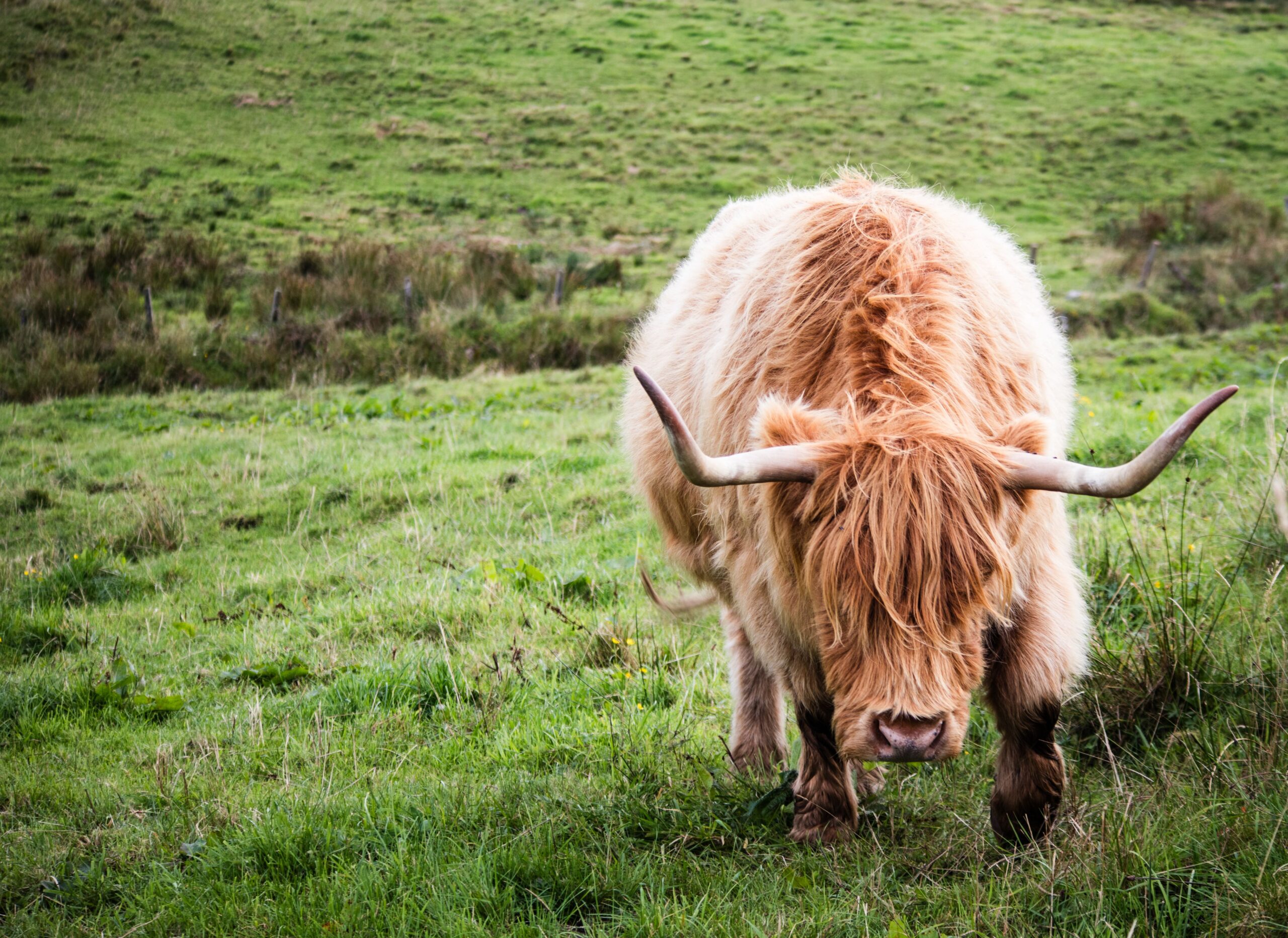
Highland cattle are famous for their shaggy coats and impressive horns. People who want to buy Mini Highland calves often discover that the breed has a fascinating history. Its toughness developed over centuries in one of Scotland’s most demanding landscapes.
Life in the Scottish Highlands Was Never Easy
The Scottish Highlands are known for steep hills, rocky ground, and unpredictable weather. Rain can arrive suddenly, while winter brings biting winds and freezing temperatures. Cattle living there had to cope with conditions that would challenge many other breeds.
Good grazing was not always available across the rugged countryside. Animals often searched for grass among rough vegetation and uneven terrain. Those that managed these conditions successfully were more likely to survive and reproduce.
Highland farmers also needed cattle that could live outdoors for much of the year. Building extensive shelters or buying large amounts of feed wasn’t always practical. Over generations, families found hardy animals especially valuable.

A Thick Coat Made a Real Difference
One of the first things people notice about Highland cattle is their long hair. Beneath the outer coat lies a softer layer that traps warmth. Together, these layers insulate them in cold, wet weather.
The longer outer hair also helps shed rain and snow. That matters in a region where damp conditions can last for days. Their coats are not a substitute for proper shelter, however, especially during severe weather.
Highland cattle generally carry less insulating body fat than some breeds. Their heavy coats help them conserve heat without relying entirely on fat deposits. This combination became useful in the cold environments where the breed developed.
Strong Feet Helped Them Cross Rough Ground
The land in the Scottish Highlands is far from the flat, grassy pastures you might picture when you think of cattle farming. There are rocky hillsides, muddy patches, steep slopes, and thick plants that make getting around difficult. Highland cattle needed strong feet and good balance to move across this rough ground while searching for food.
Farmers soon learned which animals could handle these conditions and chose them for breeding. Over many generations, Highland cattle became well suited to grazing in places where other breeds might struggle. They can also feed on certain grasses and rough plants that some cattle would rather leave untouched.

However, being a tough breed does not mean Highland cattle can survive on whatever happens to grow in a field. They still need enough nutritious grass or hay, plenty of fresh water, and the right minerals to stay healthy. Anyone raising them should check pasture quality and provide extra feed when available grazing isn’t enough.
Farmers Helped Shape the Breed
Scotland’s cold, wet weather shaped how Highland cattle developed, but local farmers also played a role. They noticed which animals made it through tough winters, stayed healthy, and found enough food on the rocky hillsides. They bred the cattle they wanted, and over time, those choices helped make Highland cattle as tough as they are today.
Back then, families in the Scottish Highlands depended on their cattle for meat and other everyday needs. Much of the land was too rocky or steep to grow crops, but cows could still graze on the grass and plants there. For families trying to make a living on difficult farmland, cattle that could handle those conditions were a major advantage.
As more farmers began breeding Highland cattle, they took greater care to keep the qualities that made the breed special. Eventually, the cattle spread to other parts of the world, including the United States and Canada, where people still raise them today. Most people notice their long, shaggy hair and impressive horns first, but their survival story in Scotland is just as interesting.

What Their History Means for Modern Owners
Highland cattle may be known for handling harsh weather, but that does not mean they can look after themselves. They still need strong fences, regular health checks, and a safe place to shelter when the weather turns bad. Their thick coats can also make hot summers uncomfortable, so owners in warmer areas need to provide plenty of shade and fresh water.
You should also think carefully about how big your cattle will get before bringing them home. When looking at advertisements for Mini Highland calves, remember that different breeders may define “miniature” differently. Ask how big the calf’s parents are, what size it is likely to reach as an adult, and whether the breeder can provide reliable health and breeding records.
Another thing to keep in mind is that Highland cattle are happiest with other cattle around. Keeping a cow alone is generally not a good idea, so you will need enough land, feed, and money to care for suitable companions. Their fluffy appearance might make you fall in love with them, but what matters most is whether you can give them a good home for the rest of their lives.
Final Thoughts
Highland cattle became hardy through generations of life on rough Scottish land and careful selection by farmers. Anyone planning to buy Mini Highland calves should appreciate that history without overlooking the animals’ everyday needs. Their remarkable resilience deserves respect, as does the thoughtful care every cow needs.