

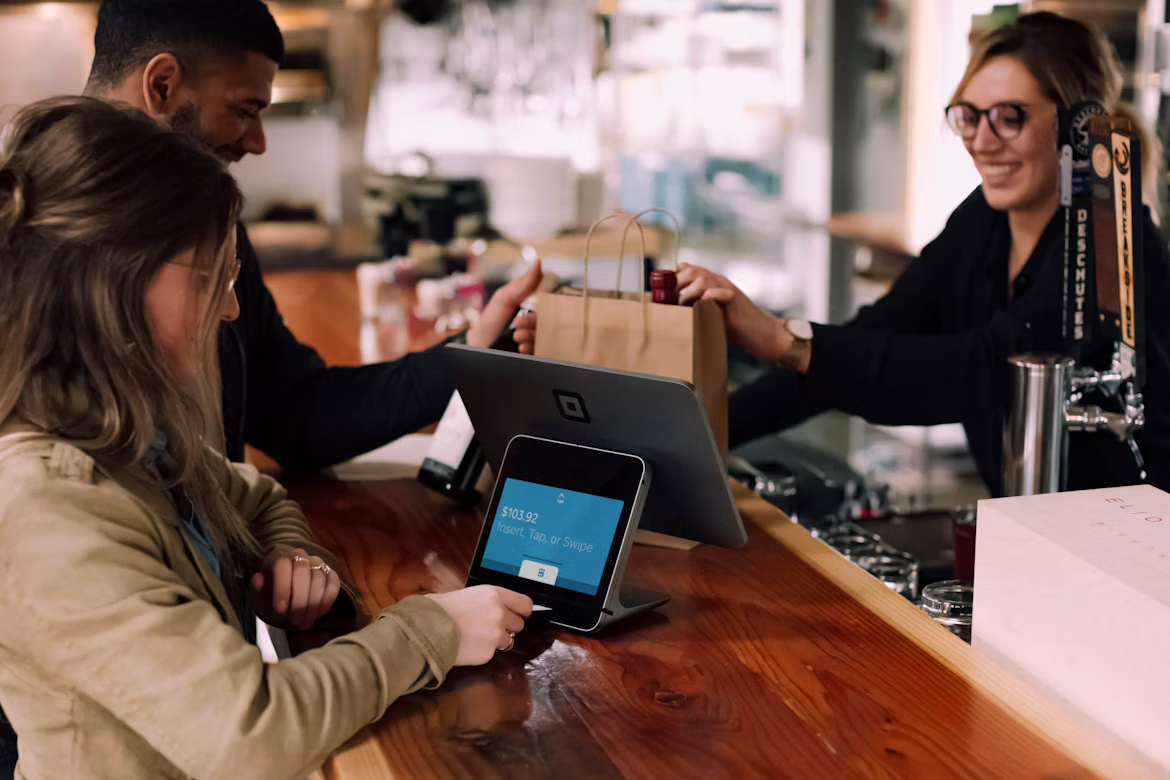
Main Street shops can stay competitive by making everyday purchases quicker, easier and more personal. Customers still value friendly service and the chance to see products in person, but they also expect the convenience they get online. A few focused upgrades can meet those expectations without stripping away a store’s local character.
The best improvements often happen behind the counter, where faster payments, useful customer records and clearer sales data help owners run a tighter operation.
The Changing Habits of Walk-In Shoppers
Walk-in customers often arrive after checking store hours, prices or product availability online. Once inside, they expect accurate information and a checkout process that respects their time. A shopper picking up a birthday gift during lunch may leave without buying if the line moves slowly or an item’s price is unclear.

MIT Sloan’s guidance on the future of physical retail emphasizes customer experience and the connection between digital and physical shopping. Small retailers can respond by keeping online listings current, placing clear signs near popular products and training employees to check inventory quickly. Even a simple posted pickup procedure can remove confusion during busy periods.
Streamlining Checkout Counters for Speed
Start with the physical counter. Remove old displays, tangled cables and supplies that force employees to turn away from customers. Keep bags, receipt paper and frequently used tools within easy reach. A clean setup makes each transaction smoother and gives shoppers a more professional final impression.
The payment process deserves the same attention. Reliable credit card processing for businesses can support in-person, mobile, online, hybrid and integrated payment needs as a shop grows. Before changing systems, track delays for a week. Note how often employees re-enter amounts, wait for equipment or move to another register. Those details reveal which upgrade could save meaningful time during a Saturday rush.
Evaluating Modern Credit Card Processing
Processing costs involve more than a headline rate. Ask providers for a clear explanation of transaction fees, monthly charges, equipment costs and contract terms. Then compare those expenses with the features your shop will actually use, such as contactless payments, mobile checkout or connections to inventory software.

Hardware should fit the sales floor. A fixed counter terminal may work well for a stationery shop, while a garden center or sidewalk sale could benefit from mobile acceptance. The best system should also be simple enough for a new employee to learn quickly. Practical ideas for modernizing a retail store can help owners consider checkout technology alongside displays, security and daily operations instead of treating payment equipment as a separate project.
Building Loyalty Through Digital Receipts
Digital receipts give customers a convenient purchase record while creating an opening for future communication. Always ask for permission before collecting an email address or phone number, and explain what the customer will receive. A clear invitation such as “Would you like an email receipt?” feels more respectful than automatically adding someone to a marketing list.
Keep follow-up useful and limited. A bookstore might send notice of an author event, while a clothing boutique could share early access to a seasonal sale. Include an easy unsubscribe option and store customer details securely. Review receipt messages on a phone, too. Tiny text, broken links or a cluttered layout can weaken the polished experience you worked to create at the counter.

Smarter Insights from Daily Sales Records
Daily sales records can answer practical questions that memory can’t. Review which hours produce the most transactions, which products frequently sell together and how often returns occur. A shop may discover that greeting cards sell strongly with gift bags or that an extra employee is needed from noon to 2 p.m. on Fridays.
Keep the review manageable. Check a short dashboard weekly and compare monthly figures against the same period last year when possible. Watch for unusual changes, then confirm what happened before adjusting orders or staffing. Weather, a nearby event or one large purchase can distort a single day.
Useful upgrades should produce visible results. If checkout time falls, repeat visits rise or fewer popular items run out, the investment is doing its job. That gives a shop owner something concrete to build on at the next busy counter shift.