

By Laurel Aiello | Fort Collins Nursery

Annuals add vibrance, texture, and whimsy to any landscape, from rock gardens to pollinator-friendly beds buzzing with activity. They come in countless shapes and colors, offering many different ways to decorate your home every spring. If you want your garden beds to stand out this year, let these themes inspire your creative eye.

Whimsical wildflowers
Those wanting a wildflower feel should look for blooms with a flowy appearance, such as cosmos, cleome, California poppies, and amaranthus. Zinnias and black-eyed susans also have a “wild” appearance, with sunset hues that complement fluffy ornamental foliage, such as purple fountain grass. For a sprawling groundcover, try fragrant alyssum, and if you’re looking for flowers that cascade out of a pot, mix in some sun-loving calibrachoas, verbena, or black-eyed susan vine. Decide on a range of blooms with natural movement and play with different heights, colors, and textures to create a flower bed that looks as if it could have popped up on its own.

Tropical escape
Many annuals have a tropical look and feel, from tall canna lilies, banana plants, and alocascia (also known as “elephant’s ear”) to vining fuchsia and mandevilla. As the state flower of Hawaii, hibiscus is the quintessential tropical bloom, with large flowers that make it an impressive centerpiece in annual arrangements. Bougainvillea can also make a statement, bringing bright pinks, purples, and oranges to the landscape with its papery flowers and bushy growth habit. Don’t overlook bedding plants such as impatiens and begonias; their exotic-looking blooms can transform any shady spot into a blanket of color.

Pollinator haven
If your goal is to attract pollinators to your yard, plant annuals with bright blue, purple, violet, yellow, and white flowers—the colors bees are most drawn to. They love salvia, lantana, gomphrena, pentas, bidens, sunflowers…the list goes on, so if you plant a mix, they will surely come. Hummingbirds are a little more particular, as they are drawn to tubular flowers like cuphea, lantana, petunias, salvia, and torenia. Select varieties that bloom continuously throughout the season, and be sure to include some of the same flowers year after year, since hummingbirds are good at remembering where they can find food.

Desert oasis
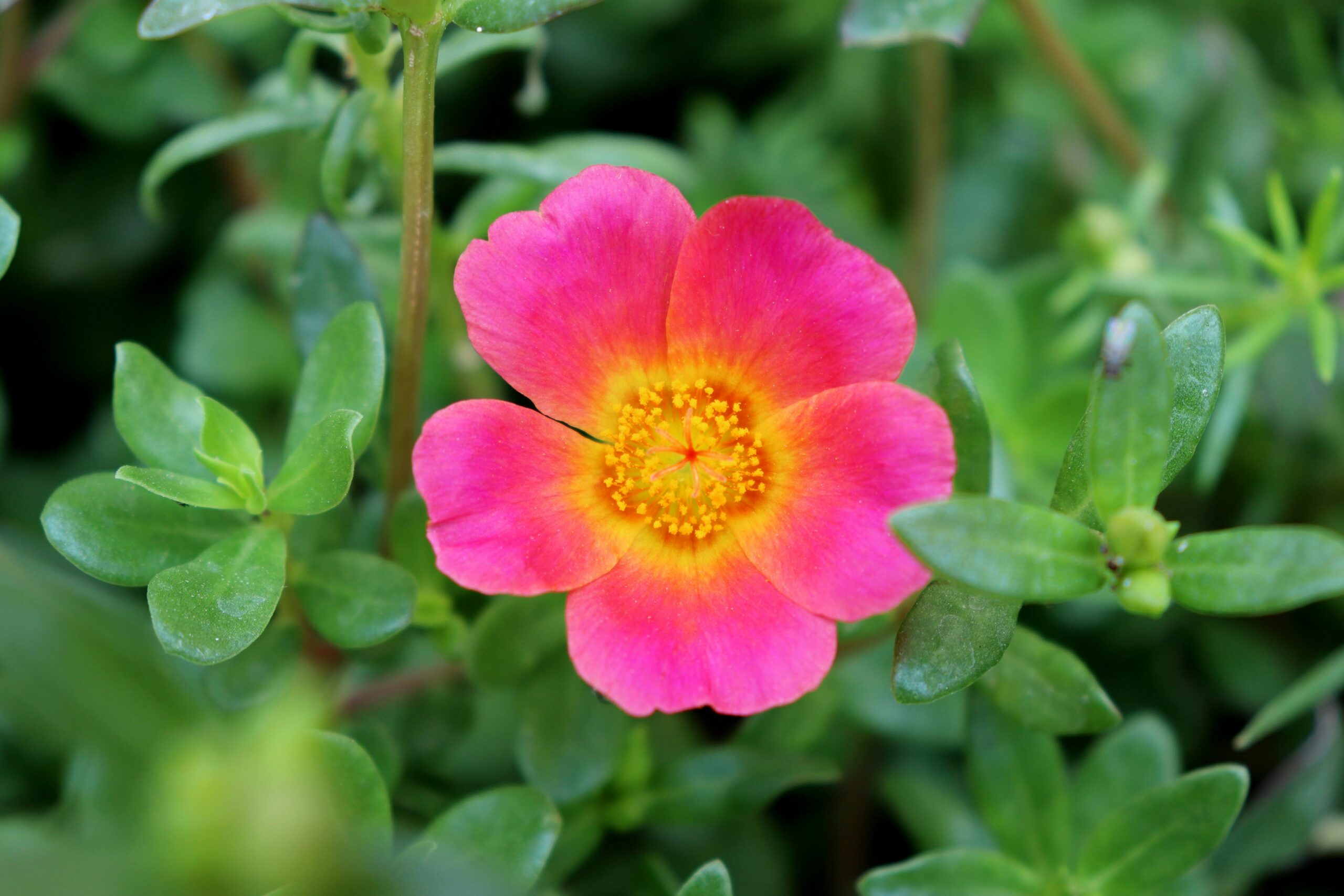
Native plants aren’t the only ones that thrive in a rock garden. Moss rose (also known as portulaca or purslane) is a low-growing, drought-tolerant plant that produces quarter-size flowers in vibrant shades of red, pink, orange, and yellow. Plant them in full sun alongside other succulent types, like senecio and echeveria, or with gazanias, alyssum, and dwarf dianthus to attract pollinators. Just make sure not to overwater succulent-type plants, as they store moisture in their leaves and prefer semi-arid environments.

Edible arrangements
Some gardeners plant edible flowers near their herb or vegetable gardens to encourage pollination and add a colorful garnish to cocktails and summer salads. Favorites are pansies (sweet), nasturtiums (peppery), calendula (floral, medicinal, and slightly bitter), and borage (refreshing, with a cucumber taste). Experiment with them in the kitchen to find new ways to bring the beauty of nature to your plate.