

By Laurel Aiello | Fort Collins Nursery

If the idea of growing lemons, limes, and oranges in your Colorado home seems impossible, think again. Even in our dry climate and fluctuating temperatures, citrus trees thrive indoors when given ample bright light, warmth, food, water, and well-drained soil. Read up on citrus plants here so that when life gives you lemons, you know how to grow them.

Types of citrus plants
When choosing a type of citrus plant, select the fruit you’ll use most in the kitchen. Many citrus varieties can be found at your local greenhouse, including:
- Oranges (Citrus × sinensis) – Navel oranges are sweet, seedless, easy to peel, and eaten fresh, while Valencia oranges are more acidic and used to make orange juice. For pink or red flesh, try a Cara Cara or blood orange.
- Mandarins (Citrus reticulata) – Smaller, less acidic oranges perfect for snacking and juicing. Varieties include tangerines, clementines, Satsuma mandarins, and tangelos (a tangerine-grapefruit hybrid).
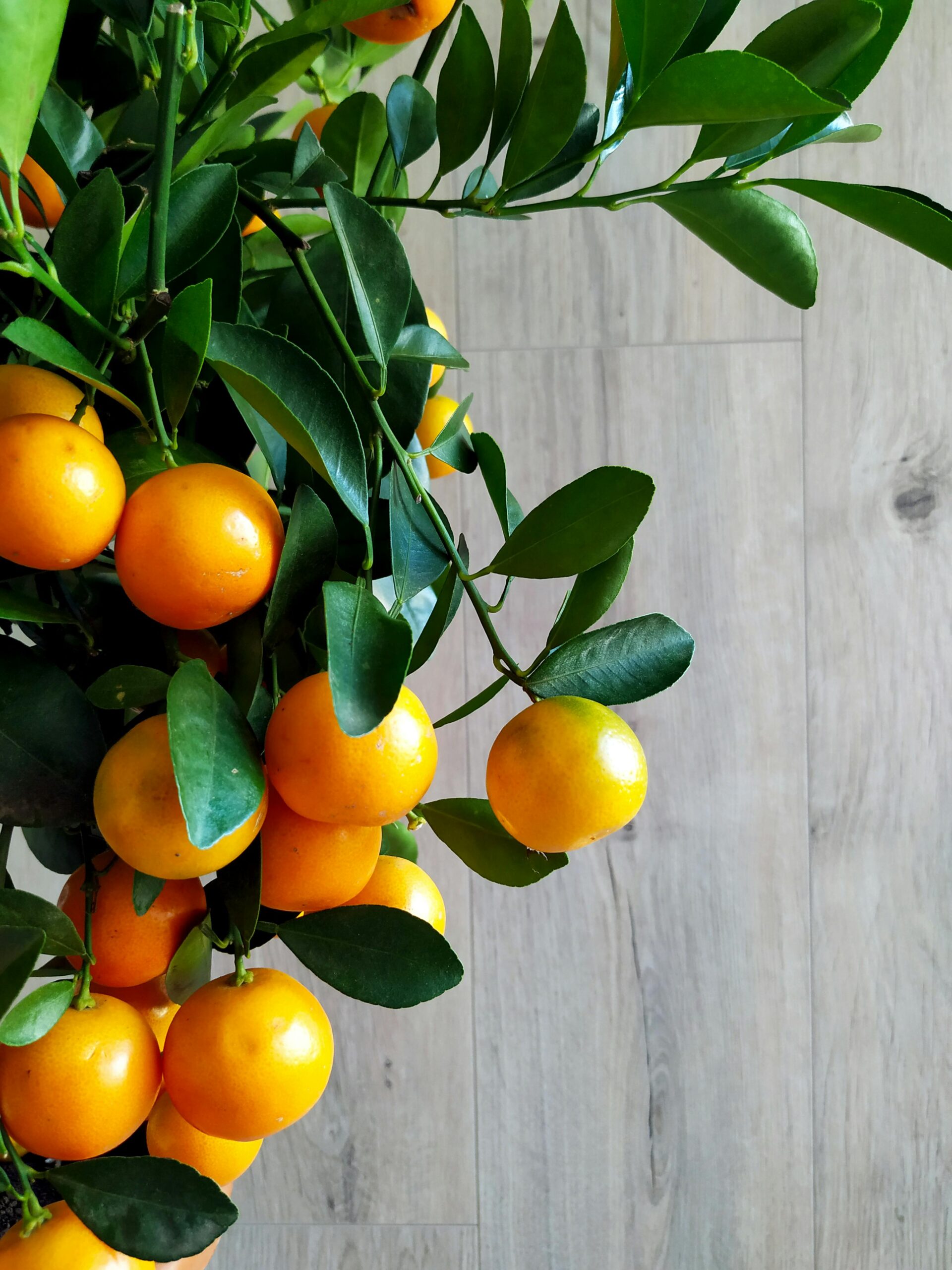
- Calamondins (Citrus × microcarpa) – Tart miniature oranges commonly used in jams and jellies. Plants produce heavy yields of thin-skinned fruit.
- Meyer lemons (Citrus × meyeri) – Small, sweet, juicy lemons with a thin peel that are great for making lemonade, cocktails, desserts, and preserves, as well as fish and chicken dishes.
- Persian/Bearss seedless limes (Citrus × latifolia) – Abundant, juicy, thin-skinned limes that are both sweet and tart, often used for cooking, baking, and making drinks.
- Key limes (Citrus × aurantiifolia) – Known for the key lime pie, these limes are small, aromatic, and tart, but not too acidic.
- Kumquats (Citrus japonica) – Olive-sized fruits resembling oranges but with an edible peel and a sour, tangy, and slightly sweet taste. Commonly pickled, candied, and used in marmalades and meat dishes.
- Grapefruits (Citrus × paradisi) – Clusters of softball-sized fruit ranging from sweet (pink and red varieties) to sour (yellow varieties). Often eaten on its own, with sugar, or juiced.

Citrus plant care
Citrus trees generally share the same care requirements. They prefer evenly moist, well-drained soil, high humidity, and warm temperatures (60-85°F). They require at least 8 hours of direct sun per day when kept indoors, ideally near a south-facing window. They also need a citrus-specific fertilizer applied every few months. Consider Growmore Water-Soluble Citrus Food (20-10-15) or Down to Earth Organic Citrus Mix (6-3-3), both available at Fort Collins Nursery.
Citrus plants can be kept outdoors in summer in full sun to accelerate growth. However, they are prone to spider mites, so keep a close eye on them and treat them with neem oil, either preventatively or to eliminate an infestation before bringing them back inside. Leaves with mite damage can be removed, although it’s worth noting that plants with fewer leaves will need water less frequently. Regularly prune the stems to maintain a more compact, uniform shape.
It’s important to be patient with citrus plants in Colorado, as they don’t produce fruit as quickly as in Florida or California. As they mature, they will start to produce more fruit, but until then, enjoy their fragrant flowers and surprisingly simple care. Eventually, you’ll have a six-foot tree to move in and out of the house.