

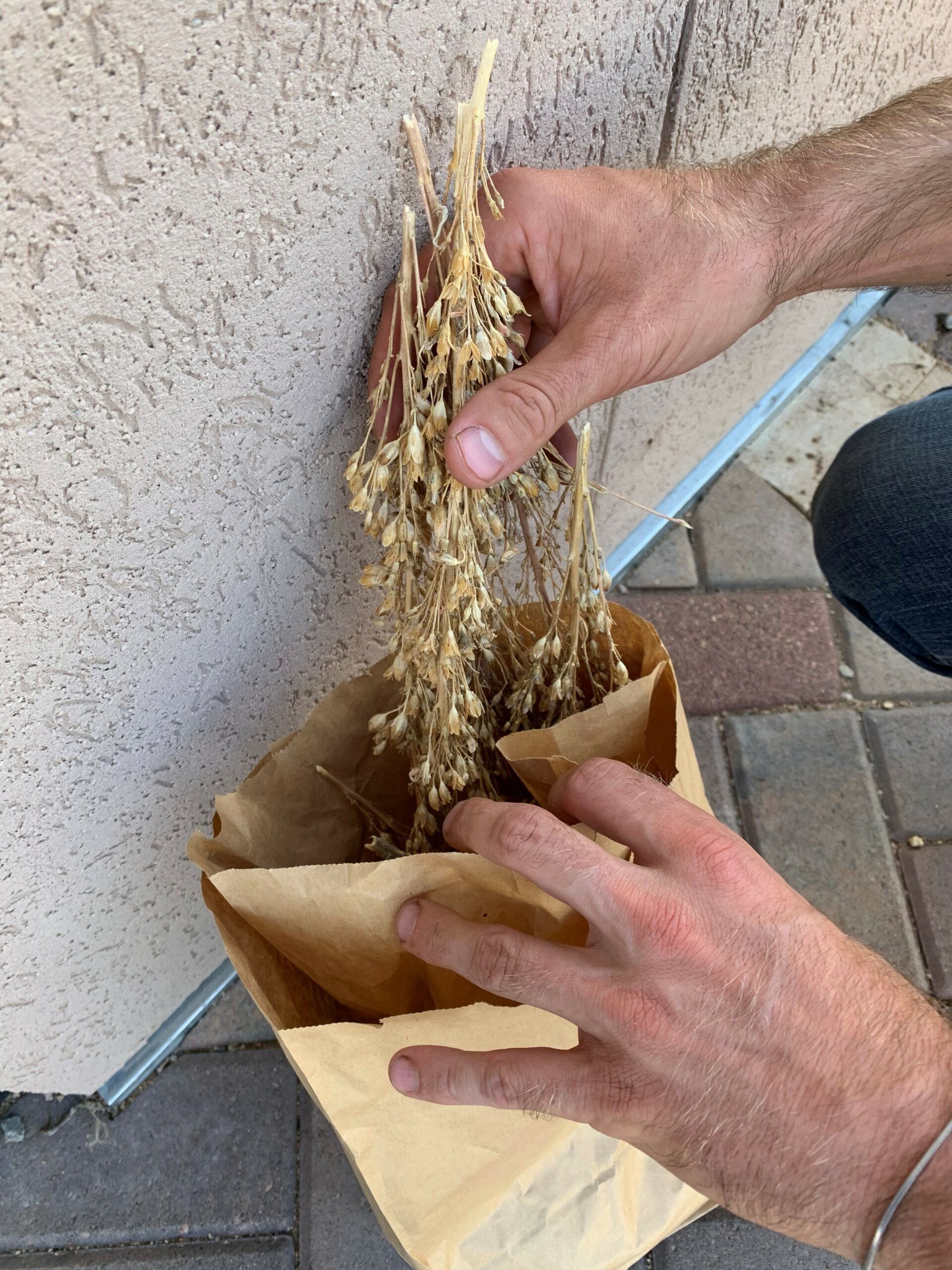
A Few Minutes Collecting Seeds Can Preserve Favorite Plants
By Blaine Howerton | NorthFortyNews.com
September in Northern Colorado can feel like the garden’s closing chapter. Flowers fade, vegetable plants slow down, and the first hints of fall encourage gardeners to start thinking about cleanup.
But before cutting everything back, take another look.
Those dry flower heads and brown seedpods may contain the beginnings of next year’s garden.
Saving seed is one of the simplest ways gardeners can stretch their gardening dollars, preserve plants that performed especially well, and build a collection adapted to their own backyard. It also turns fall cleanup into something more interesting than filling a compost bin.
Let the Plant Finish the Job
One of the biggest mistakes in seed collecting is starting too soon.
Seeds generally need time to mature on the plant. A flower may have finished blooming weeks earlier while its seeds are still developing. Seedpods that remain green and seeds that are pale, soft, or moist usually need more time.
Instead, watch for pods and seed heads that have dried and turned brown. Pods beginning to crack or split can be a particularly good signal that the seeds are approaching maturity.

There is a catch: wait too long, and the plant may distribute the seeds for you.
Some plants scatter mature seed remarkably efficiently. If a favorite plant seems determined to launch its offspring across the yard, gardeners can place a small paper or mesh bag around the developing seed head before it opens.

Keep Collection Simple
Seed saving doesn’t require specialized equipment.
Paper bags, envelopes, a marker, and a few kitchen strainers can handle much of the job.
Clip mature seed heads or pods and place them in a labeled paper bag. Give the material additional time to dry if necessary. Once completely dry, shake or break apart the pods and separate the seeds from stems, husks, and other plant material.
Different-sized kitchen sieves can make the cleaning process easier, particularly when working with small seeds.
The most important tool might be the marker.
Label everything.
A handful of seeds that seem unmistakable in September can become surprisingly mysterious by February. Record the plant name, variety if known, and the year the seed was collected.
Choose Your Plants Carefully
Not every seed will produce a plant identical to its parent.
Seeds collected from open-pollinated plants can be rewarding to save, but cross-pollination may produce surprises. Hybrid varieties can be even less predictable because their offspring may not retain the traits that made the original plant desirable.

That unpredictability isn’t necessarily a problem. For gardeners willing to experiment, it can be part of the fun.
If the goal is to reproduce a particular flower color, vegetable, or other characteristic as closely as possible, learn whether the parent plant is an open-pollinated variety or a hybrid before filling an envelope with seed.
Cool and Dry Wins
Moisture is the enemy of stored seed.
Seeds should be thoroughly dry before storage. Paper envelopes work well for keeping individual varieties organized, and those envelopes can then be placed inside a larger airtight container.
A cool, dark, and dry location helps maintain viability. Refrigeration can extend the useful life of many seeds when they are protected from moisture and temperature fluctuations.
Even under good conditions, seeds don’t last forever.
Some remain viable for many years, while others lose germination capacity relatively quickly. That makes seed saving less of a one-time exercise and more of an annual garden habit.
Save the Plants That Earned It
There is another advantage to collecting your own seed: you get to choose the parents.
Pay attention to the plants that thrived.
Maybe one perennial flowered especially heavily. Perhaps a tomato remained productive during a difficult stretch of weather. Maybe a particular annual tolerated your yard’s conditions better than everything surrounding it.
Those are the plants worth watching.
Over time, saving seed from successful plants can also deepen a gardener’s understanding of the small differences within a landscape — where soil stays wetter, which areas receive punishing afternoon sun, and which plants seem perfectly comfortable with Northern Colorado’s unpredictable weather.
A garden becomes more than something purchased each spring. It becomes something carried forward.
So before tossing those dried seed heads during fall cleanup, open one.
Next year’s garden may already be inside.
Source: North Forty News archives
From gardening ideas and seasonal advice to the local news and events shaping Northern Colorado, the North Forty News Daily Update puts useful local information in your inbox every morning.
Start Your 30-Day Free Trial