

by Blaine Howerton | NorthFortyNews.com
A CSU-backed guide to keeping trees and plants healthy through dry months

If your lawn is brown and your garden beds look dormant, it’s easy to assume your landscape can wait until spring. But across Northern Colorado, fall and winter are often some of the driest months of the year — and that dry soil can quietly damage trees and shrubs long before buds break in April.
When we go weeks without meaningful moisture between October and March, plant roots can dry out. Snow doesn’t always provide enough water to replenish the soil, especially during sunny, windy stretches. Even while dormant, trees and shrubs rely on moisture in the root zone to maintain healthy tissue and prepare for spring growth.

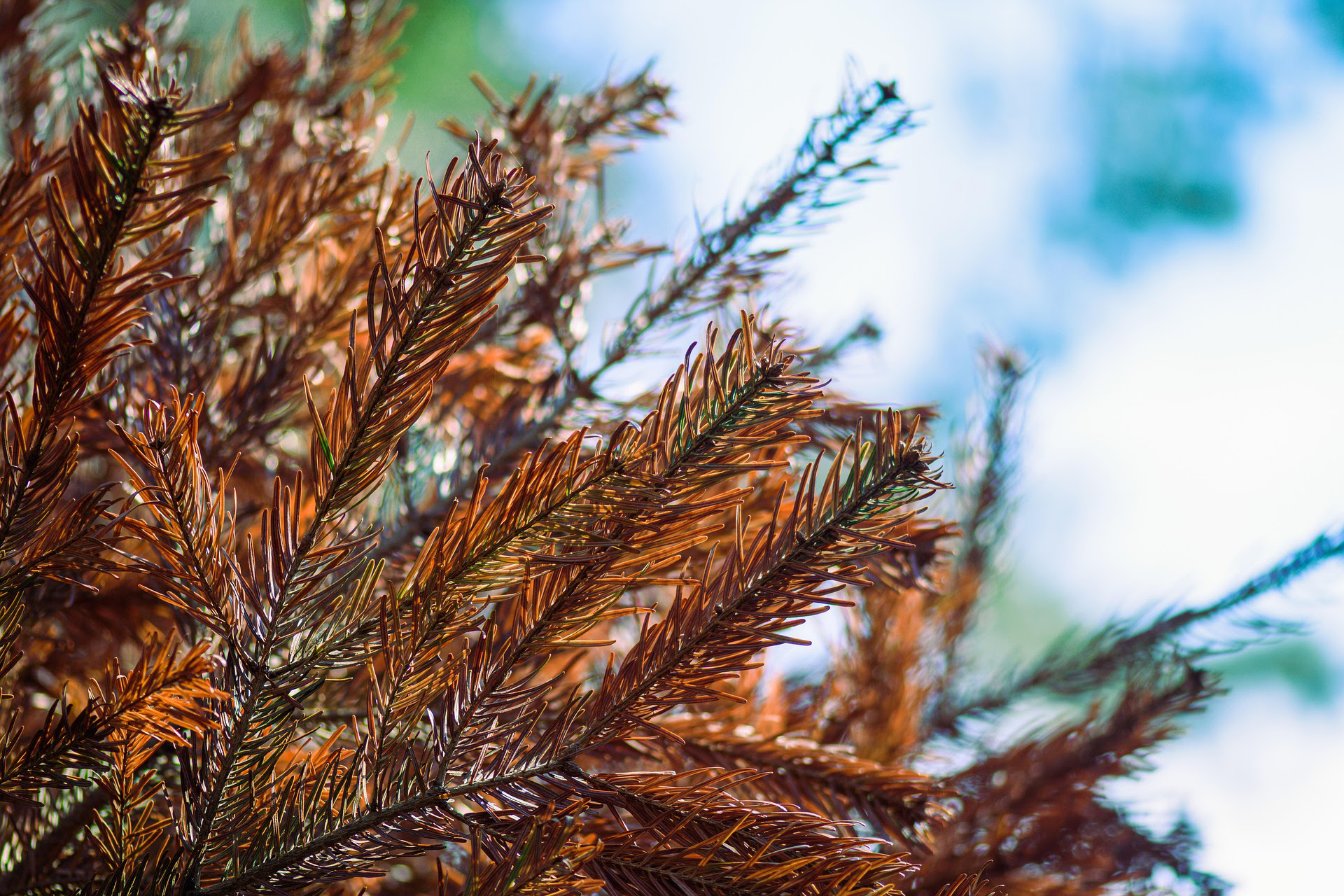
Winter drought stress can lead to needle browning, branch dieback, and weakened plants that are more susceptible to insects and disease once warm weather returns. The good news: occasional, strategic watering during dry winter periods can significantly reduce that risk.
Here’s what Northern Colorado gardeners should know.
Water only when conditions allow it. Air and soil temperatures should be above 40 degrees, and the ground must not be frozen. Water cannot penetrate frozen soil, and moisture applied over snow cover simply runs off or freezes. Midday watering is best, giving moisture time to soak into the soil before overnight temperatures drop.
Focus on the plants most vulnerable to winter drought. Evergreens lose moisture through needles all winter and are especially prone to drying out. Newly planted trees and shrubs are also at higher risk because their root systems are not yet established. Woody plants with relatively shallow root systems — including birch, maple, dogwood, and mountain ash — can also suffer during extended dry periods.
Established native and drought-tolerant plants typically require less winter irrigation, but recently planted perennials and even lawns may benefit from occasional watering if dry conditions persist.


How much water is enough?
A useful rule of thumb for trees is about 10 gallons of water per inch of trunk diameter. That moisture should be applied slowly, allowing it to soak 12 inches deep into the soil. Mature trees should be watered at and slightly beyond the dripline — the outer edge of the canopy — rather than directly at the trunk.
Shrubs generally require 5 gallons per month for smaller, established plants and up to 18 gallons during dry spells for larger shrubs. Newly planted shrubs may need water twice a month during an extended drought.
When watering, use a hose, soaker hose, or sprinkler set to a slow application rate. Avoid reactivating irrigation systems until the risk of hard freezes has passed in spring. After watering, disconnect and drain hoses before storing them.
Winter watering won’t guarantee perfection in your landscape, but it is one of the most effective steps homeowners can take to protect trees and shrubs from Colorado’s dry-season stress. A few warm afternoons with a hose can mean healthier growth and fewer problems once spring arrives.
For more information, read the CSU Extension fact sheet.
Make North Forty News part of your morning. Get Northern Colorado’s top stories, weather, and events every day at 5 a.m. in our Daily Update.