

by North Forty News Staff | NorthFortyNews.com
Simple changes at home and in the yard can help Northern Colorado residents conserve water and reduce costs
As drought conditions intensify across Colorado, experts with Colorado State University Extension are urging Northern Colorado residents to take simple, practical steps to conserve water and lower household expenses.
With roughly half of residential water use in the western U.S. going toward outdoor landscaping, lawns, and irrigation systems are a key focus for conservation. Inside the home, the biggest water users include toilets, showers, faucets, and washing machines—offering additional opportunities to cut back.

“We live in a dry place, and this year’s drought is a reminder that there are simple things we can do to use less water and keep money in our pockets,” said Deryn Davidson, CSU Extension’s statewide sustainable landscape specialist.
Statewide concerns are growing following a winter marked by unusually warm temperatures and low mountain snowpack. In response, Governor Jared Polis activated Colorado’s Drought Task Force to coordinate planning across agencies. Some communities have already implemented watering restrictions, and additional pricing measures for high water use may be considered in the months ahead.
For Northern Colorado homeowners, CSU Extension experts say early action can make a meaningful difference. Fixing leaks, upgrading appliances, and adjusting irrigation practices can all help stretch limited water supplies while saving money.
Indoors, residents are encouraged to repair leaking fixtures, run full loads of laundry and dishes, install low-flow appliances, and shorten showers. Even small habits—like turning off the tap while brushing teeth or keeping a pitcher of cold water in the refrigerator—can add up over time.

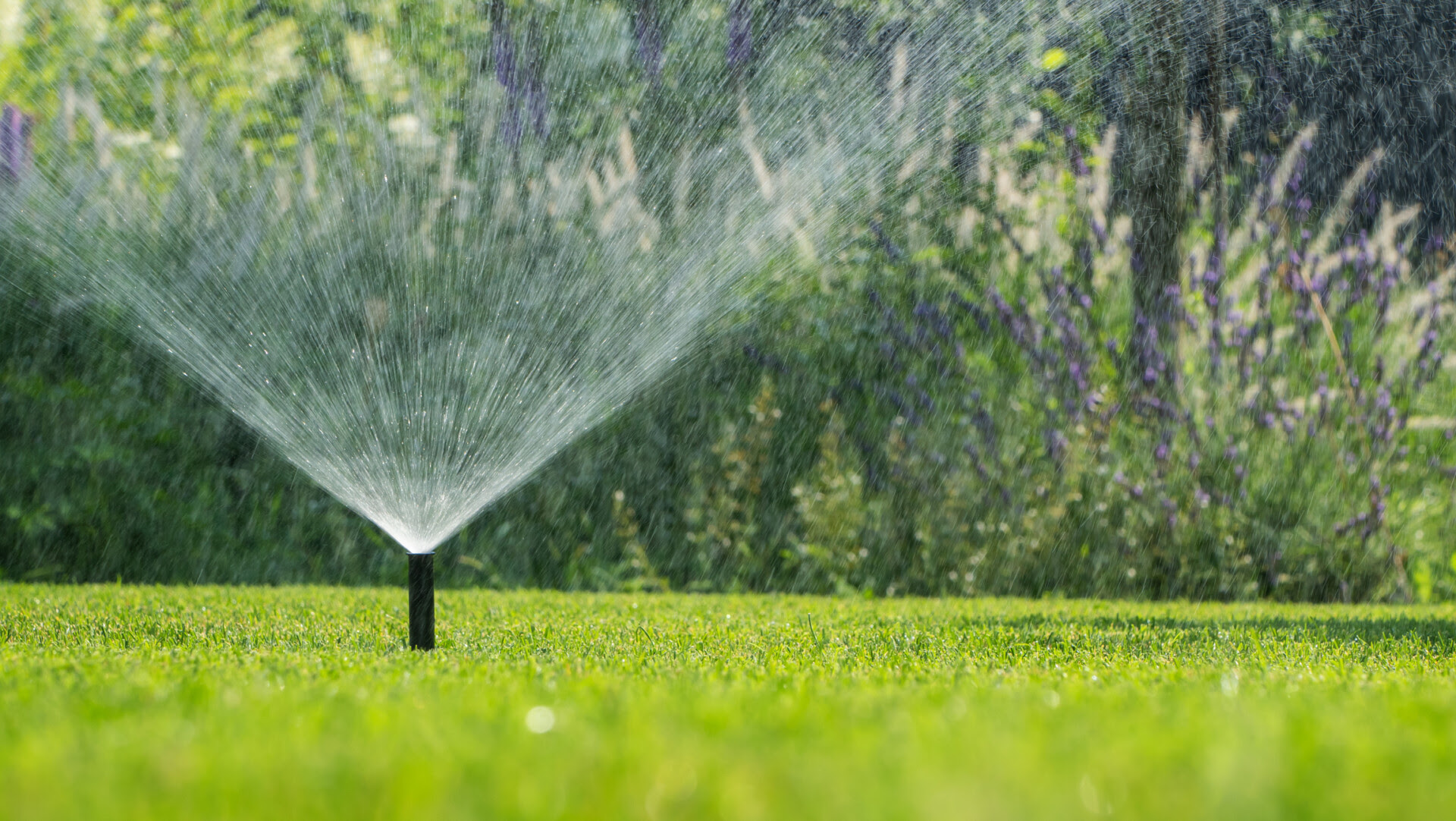
Outdoors, delaying sprinkler use until May, watering deeply but less frequently, and checking systems for leaks can significantly reduce waste. Experts also recommend planting drought-tolerant species, using mulch to retain moisture, and watering during cooler parts of the day to minimize evaporation.
Landscape planning is another long-term strategy. CSU Extension notes that many drought-adapted plants are well-suited for Colorado’s climate, offering both resilience and visual appeal while reducing water demand.
As communities across Northern Colorado prepare for a potentially dry season, these steps can help households stay ahead of restrictions and contribute to broader conservation efforts.
Making small adjustments now can help protect a resource that remains both limited and essential across the region.
Make North Forty News part of your morning. Get Northern Colorado’s top stories, weather, and events every day at 5 a.m. in our Daily Update.
Source: Colorado State University Extension