

Three-year Colorado study finds irrigated meadows can filter sediment and nutrients from runoff
By North Forty News Staff | NorthFortyNews.com
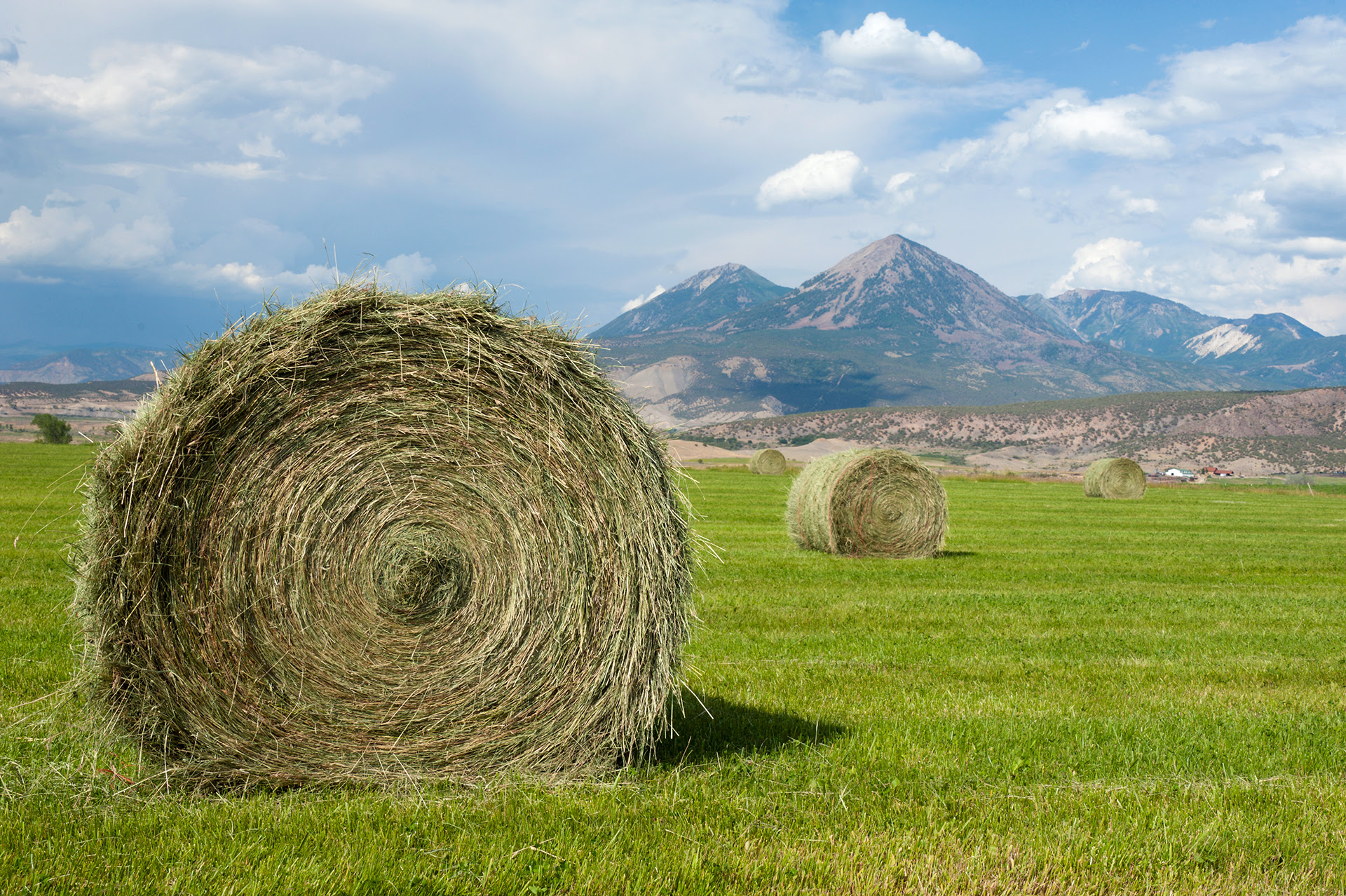
Irrigated mountain hayfields may do more than produce forage for Colorado livestock. New research from Colorado State University found the fields can function as large natural filters, reducing sediment, phosphorus and other contaminants before water returns to streams and rivers.
The findings come from a three-year study by CSU’s Agricultural Water Quality Program in the Yampa, Gunnison and Colorado River basins. Researchers monitored irrigation water before and after it passed through mountain hayfields and found consistently low nutrient concentrations in runoff.
In some locations, water leaving the fields contained lower nutrient levels than the water originally applied.

“These irrigated ag lands in the mountains are essentially large grass filter strips,” said Erik Wardle, director of CSU’s Agricultural Water Quality Program and the researcher who conducted the study. “Their impacts are very low, and in some cases, they even have the potential to clean the water, depending on management and localized conditions.”
Grass Fields Act As Filters
Excess nitrogen and phosphorus can contribute to algal blooms and other water-quality problems. Although nutrients occur naturally, they can also enter waterways through fertilizer, wastewater and urban stormwater.
Grass buffer strips are commonly used around row-crop fields to capture nutrients and sediment. CSU researchers found Colorado’s mountain meadows can provide a similar function because they consist of large areas of perennial grasses.
The results are particularly significant because Colorado continues to evaluate agriculture’s contribution to nutrient pollution under the state’s water-quality programs. Most agricultural operations are not currently regulated under Colorado’s nutrient control Regulation 85, with producers instead relying on voluntary best management practices.

The research provides baseline measurements that state agencies and producers can use to evaluate those practices.
The Colorado Ag Water Alliance requested the study to determine whether mountain hay production and grazing were contributing nutrients to surface water. Funding came from the Colorado Department of Public Health and Environment and the Environmental Protection Agency, while producers in each basin volunteered property for monitoring.
Colorado Farm Bureau President Carlyle Currier participated by selecting an area of his ranch that he believed had the greatest potential for contamination. Testing found the water leaving the field was generally of better quality than the irrigation water entering it.
“To know that we are protecting the environment and doing things right is very good for us,” Currier said.
Mountain hay and forage pastures are an important part of Colorado’s livestock industry, particularly in mountain communities where ranches have operated for generations.

“Many of these ranches have been there 100 years or more, so they’re very much a part of the ecosystem in the mountains,” Wardle said.
The research is already leading to additional work. A new Colorado Water Plan project in the Yampa River Basin will demonstrate and evaluate best management practices for mountain meadow hay systems, building on the findings of the three-year study.
Source: Colorado State University Agricultural Water Quality Program
Research involving Colorado’s farms, ranches and water supplies can have lasting effects on communities across the region. North Forty News keeps readers connected to the science, agriculture and water issues shaping Northern Colorado.
Support North Forty News