

Student-led Growing Food Security program connects agricultural research, volunteer service, and fresh produce to help fight hunger on campus.
By North Forty News Staff | NorthFortyNews.com
A one-acre garden northeast of Fort Collins is making a substantial difference for Colorado State University students, faculty and staff who struggle to afford nutritious food.
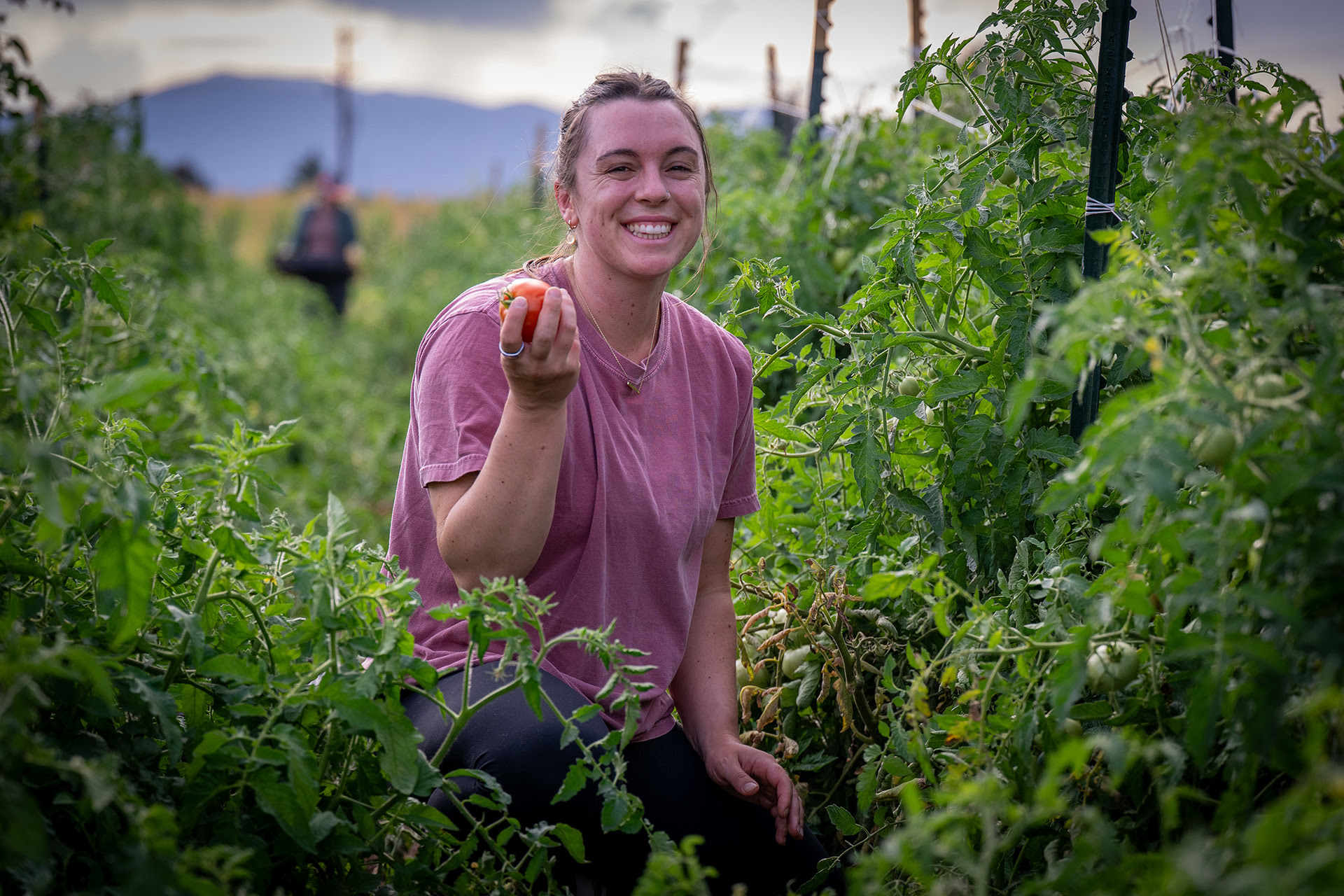
Through CSU’s Growing Food Security program, approximately 200 student volunteers are helping cultivate an expected 20,000 pounds of fresh produce this growing season. The harvest includes tomatoes, melons, peppers, squash, beans, eggplant, okra, and other vegetables, much of which reaches people facing food insecurity within hours of being picked.

Student volunteers harvest fresh produce at CSU’s Agricultural Research, Development, and Education Center northeast of Fort Collins. The food supports the university’s Rams Against Hunger program. (Photo courtesy of Colorado State University)
Students Helping Students
The Growing Food Security field operates at CSU’s Agricultural Research, Development, and Education Center (ARDEC), approximately seven miles from the main campus.
Its harvests support Rams Against Hunger, the university’s food-security initiative that assists food pantries and distribution events.

During the academic year, Rams Against Hunger serves approximately 500 to 600 people each week, according to Michael Buttram, director of CSU’s Office for Basic Needs.
For those who rely on food assistance, access to freshly harvested fruits and vegetables can make an important difference in both nutrition and household food budgets.
“There’s something about a real tomato right from the field,” Buttram said. “Everyone deserves to have that.”
Food insecurity remains a significant concern in higher education. Research cited by CSU indicates that about one in three college students nationwide has difficulty consistently getting enough nutritious food.
CSU’s efforts to address those challenges earned the university a Comprehensive Basic Needs Campus Designation from the Colorado Department of Higher Education earlier this year.
From 2,000 Pounds to 20,000
Growing Food Security began in 2020 when two graduate students who had used Rams Against Hunger services helped establish the project.
That first season produced approximately 2,000 pounds of fresh produce. Today, volunteers can harvest that amount in a single day.
The program has grown tenfold, harvesting about 80,000 pounds since its founding.

Eight graduate students now lead the operation, coordinating planting, maintenance, and harvesting. Student volunteers contribute roughly 2,000 hours each growing season.
The work demonstrates how a relatively small agricultural space can support a much larger community.”
“It offers a blueprint for the way we should treat community,” Buttram said.
A Living Classroom for Agricultural Research
Although feeding the CSU community remains the program’s central mission, the garden also provides educational opportunities.
Faculty members bring classes to the field, students conduct research projects, and graduate student leaders apply knowledge from disciplines including atmospheric science and soil science.
James Larson, a doctoral student in atmospheric science and one of the project’s graduate student leaders, said the work reflects a simple commitment to supporting fellow students.
“Rams take care of Rams,” Larson said.
The project also illustrates how agricultural education and community service can work together to address practical challenges in Northern Colorado.
Community Partnerships Support the Harvest
University organizations, businesses, and private donors support Growing Food Security.
Partners include the Associated Students of Colorado State University, Nutrien, A1 Organics, and local nurseries that offer discounted seedlings.
Those contributions help sustain a volunteer-driven effort that turns a small section of CSU research farmland into thousands of pounds of nutritious food.
As the fall harvest continues, the garden remains an example of how local agriculture, student leadership,p and community partnerships can help address food insecurity close to home.
More information about CSU’s food assistance programs is available through the Office for Basic Needs.
Stay Connected to Northern Colorado
From CSU students fighting food insecurity to local agriculture and community initiatives, North Forty News covers the people and programs making a difference. Start your Daily Update trial for local news delivered to your inbox, plus access to your personalized MyNFN experience.
Start My Daily Update Trial →