


Use the Soil, the Pot, and the Season to Decide When a Plant Needs Water
By Andrew Leahan | The NoCo Clover
“How often should I water it?” is probably the question we hear most often at The NoCo Clover. I understand why people want a number. “Every seven days” feels much easier to follow than “it depends.”
The trouble is that the plant does not know what day it is. A pot that dries in a week during July may take two or three weeks in December. Watering both on the same Sunday schedule can leave the winter plant sitting in wet soil.
Our dry mountain climate in Northern Colorado can make it challenging to gauge when a plant needs watering. But we have found that, with the following tips and methods, we can usually help guide our customers toward a better understanding of how to handle this.

What Changes Between Waterings
Light, temperature, humidity, pot size, soil composition, and root growth all affect how quickly a plant uses water. The same plant may dry at a different rate after you move it closer to a window or repot it into a larger container.
Seasonal change is especially noticeable in Northern Colorado. Shorter winter days often slow indoor growth, so many plants use less water even though the thermostat keeps the room comfortable.
Check the Soil
Before reaching for the watering can, put a finger into the soil. For many tropical houseplants, the upper inch or two provides useful information.
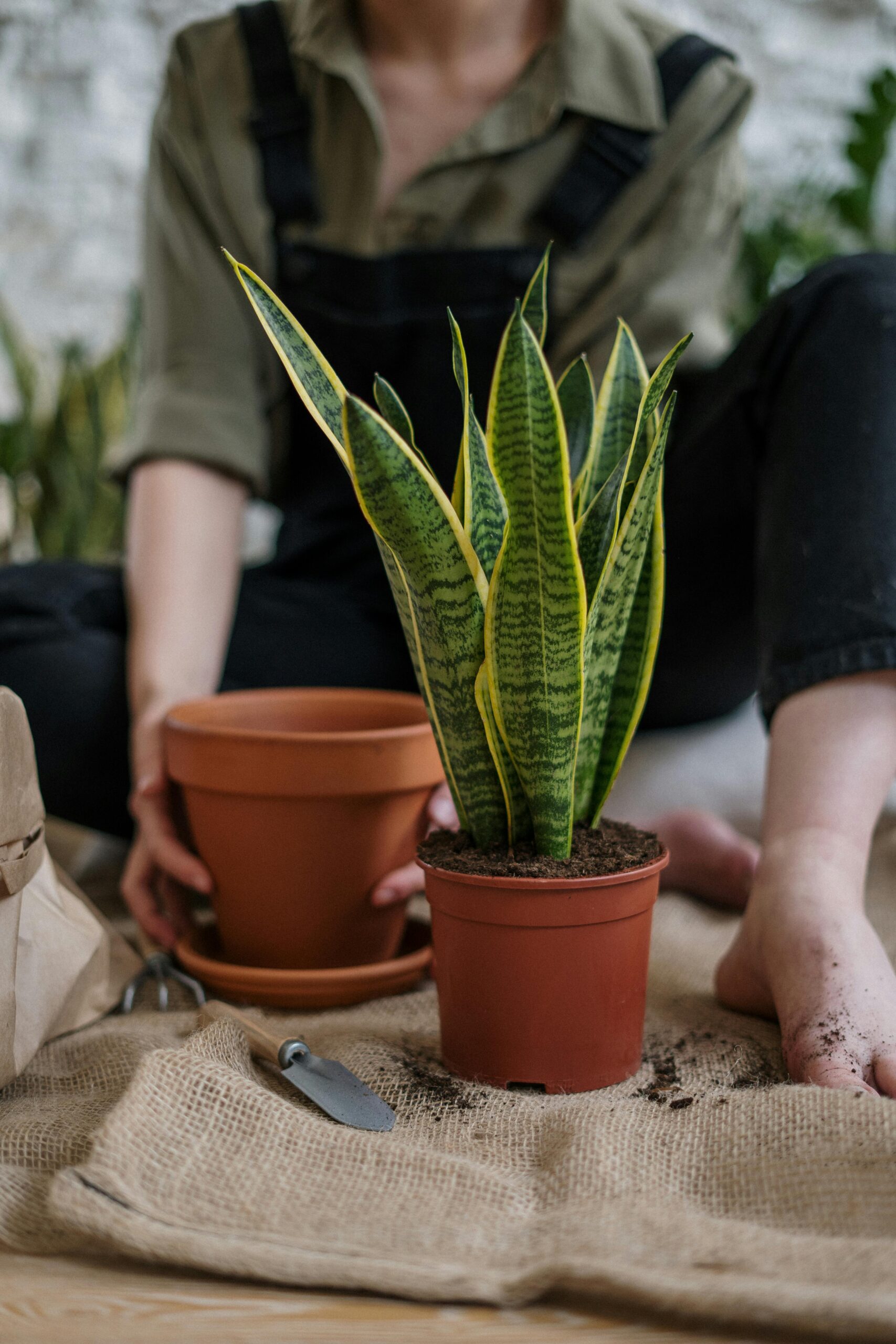
Snake plants, ZZ plants, succulents, and cacti usually need to dry much more thoroughly. Ferns and some other moisture-loving plants may need attention sooner. There is no single moisture level that suits every houseplant, which is why knowing the plant matters.
Pick Up the Pot
For smaller plants, lifting the pot is one of the most useful ways to check for watering needs. Freshly watered soil is noticeably heavier than dry soil.
Try lifting the plant immediately after you water it, then again several days later. With practice, that weight difference becomes easier to recognize and gives you another clue without any special equipment.

Water Thoroughly
When the plant is ready, water the entire root ball instead of giving it a small sip. Apply water until the soil is evenly saturated and excess begins to leave the drainage holes.
Let the pot drain before returning it to a saucer or decorative container. Empty any water collected at the bottom so the roots are not left standing in it.
Frequency Causes Most Overwatering Problems
People sometimes worry that pouring a generous amount of water through a drainage pot will overwater the plant. Usually, the greater risk is watering again before the soil has had time to dry appropriately.
Soil that remains saturated for days loses the air spaces roots need. That is when stress and root problems begin to develop.
One Yellow Leaf Is Not a Diagnosis
Yellow leaves are often blamed on overwatering, and sometimes that is the cause. But leaves also yellow as they age or in response to poor light, pests, nutrient problems, and transplant stress.
Look at the whole plant. Check the soil, consider what recently changed, and notice whether the yellowing is isolated or spreading.
Let the Plant Set the Timing
If you check the soil and still are not sure, wait a day and check again. Many common houseplants handle a little extra dryness better than soil that stays wet for too long.
The goal is not to memorize a perfect schedule. It is to recognize what a watered pot feels like, how your soil dries, and how the plant responds in your space. Once you learn those signs, the calendar becomes much less important.
CONTRIBUTED BY:
Andrew Leahan | The NoCo Clover
Houseplant Boutique • Wellington, Colorado