

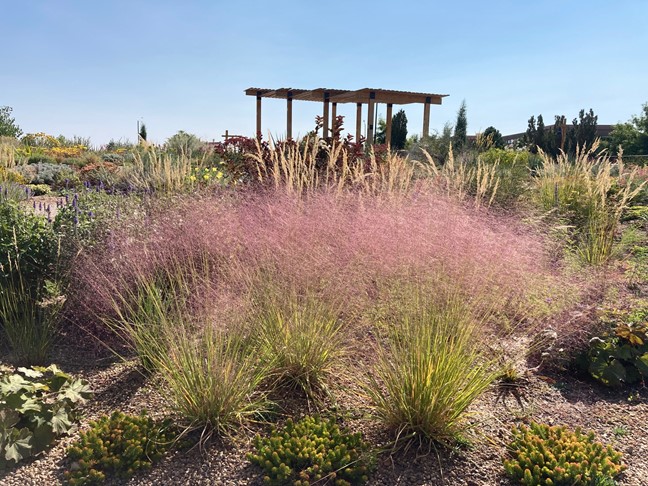
Evergreen traditions, winter plant care and wildlife-friendly gardens offer Northern Colorado residents reasons to celebrate the colder months.
By North Forty News Staff | NorthFortyNews.com
By Thanksgiving, Northern Colorado gardens have undergone a remarkable transformation. Cottonwoods have surrendered their golden leaves, ornamental grasses dance in the afternoon wind, and the mountains wear their winter coats.
Yet winter is hardly a season without life. Look closely, and the landscape reveals a different kind of beauty — one that reflects resilience, adaptation and the promise of renewal.
With the winter solstice approaching on December 21, now is an excellent time to appreciate our winter landscapes and prepare for the growing season ahead.

The Enduring Beauty of Evergreens
Ponderosa pines, Colorado blue spruce and Rocky Mountain junipers provide a welcome contrast to winter’s muted colors.
For centuries, evergreens have symbolized hope and renewal. Their persistence through the darkest days of the year inspires traditions that continue today through holiday wreaths, garlands, and Christmas trees.
Northern Colorado gardeners can incorporate locally adapted evergreens into their landscapes for year-round interest. Rocky Mountain juniper is particularly attractive for its distinctive foliage and adaptability to dry conditions once established.

Native grasses such as little bluestem and blue grama also offer beautiful copper and golden hues that catch the low winter sunlight.
Don’t Put That Garden Hose Away
Colorado’s extended periods of sunshine, wind,d and limited snowfall can leave garden soil surprisingly dry. Although many plants are dormant, their roots still require moisture.
Colorado State University Extension recommends supplemental winter watering, particularly for recently planted trees, shrubs, evergreens, and vulnerable perennials.
Choose a mild day when air and soil temperatures exceed 40 degrees, and the ground is free of snow. Water slowly, allowing moisture to penetrate the soil. Disconnect and drain your garden hose afterward to prevent freeze damage.
Create a Winter Wildlife Refuge
Resist the temptation to tidy every garden bed. Dried coneflower seed heads attract birds, while fallen leaves and hollow plant stems provide shelter for beneficial insects.
Leave healthy perennial stems standing until spring, removing diseased plant material as necessary.
Replenishing mulch around established plants can also conserve moisture and moderate soil temperatures. Keep mulch away from tree trunks and consider noncombustible alternatives near homes in wildfire-prone areas.

Celebrate With Garden Greenery
As holiday preparations get underway, consider incorporating natural materials into your decorations.
Pinecones, evergreen clippings, dried ornamental grasses, and colorful dogwood twigs make beautiful seasonal arrangements. Gather materials responsibly from your own property, and keep potentially toxic greenery away from children and pets.
For those missing the growing season, a sunny windowsill offers opportunities to cultivate herbs or enjoy the spectacular blooms of an amaryllis bulb.
Looking Toward the Light
The winter solstice marks the shortest day and longest night of the year. From then on, daylight gradually returns.
Soon enough, seed catalogs will arrive, vegetable garden plans will take shape, and conversations will turn to Colorado’s unpredictable spring weather.
Until then, watch the birds gather among the branches. Notice the frost outlining dried flowers. Enjoy the fragrance of evergreen needles and the warmth of afternoon sunlight.
Winter is not an interruption in the gardening calendar. It is an essential season of rest, reflection, and quiet anticipation.
And beneath the surface of our Northern Colorado gardens, another spring is waiting.