

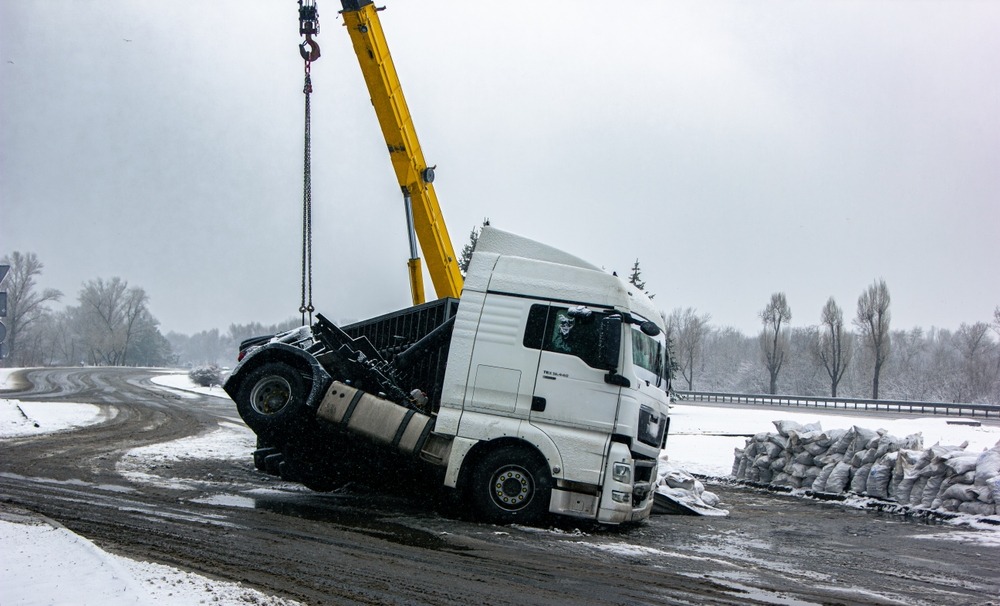
A truck crash is not always as simple as a car accident. The size and weight of a truck can cause serious damage, but the legal issues can also be more complicated. A crash may involve questions about the truck driver, the trucking company, the vehicle’s condition, or the way cargo was loaded. Records such as driver logs, maintenance reports, and inspection details may also help show what happened.
These factors can make it harder for an injured person to know who may be responsible or what evidence matters. A lawyer for a truck accident can examine the available evidence and identify details that may support an injury claim. Acting early may also help preserve important records before they are lost or become harder to obtain.
The Impact Can Be Far More Serious
Commercial trucks can weigh many times more than passenger cars. Their height, length, and weight can change how a collision happens and how much force reaches another vehicle.
A truck may also need more distance to stop, especially at higher speeds or with a heavy load. Large blind spots and wide turns can create additional risks. These factors do not automatically establish fault, but they can be important parts of a crash investigation.
Serious injuries may also lead to greater financial losses. Medical treatment, rehabilitation, time away from work, and long-term care can all affect the value and complexity of a claim.

Responsibility May Extend Beyond the Driver
A truck driver may be responsible for unsafe driving, but the investigation does not always end there. A trucking company could face responsibility if its actions contributed to the crash. Other parties may also become relevant based on the facts.
Potential parties can include:
- The trucking company
- The truck owner
- A maintenance or repair company
- A cargo-loading company
- A vehicle or parts manufacturer
For example, a poorly maintained brake system may raise different questions from a crash caused by driver distraction. A load that was not secured correctly could create another set of issues. Identifying the responsible parties requires looking closely at how the collision occurred.
Trucking Records Can Tell an Important Story
Truck crashes can involve records that are not usually part of an ordinary passenger-car claim. These documents may help show what the driver and company were doing before the collision.
Evidence may include:
- Driver logs and hours-of-service information
- Vehicle inspection and maintenance records
- Electronic logging or vehicle data
- Cargo and delivery records
- Training or employment records
- Police reports and crash-scene photographs
Some records may be controlled by trucking companies or other businesses. That makes early evidence preservation especially important. A lawyer for a truck accident can review the available information and determine which records may help clarify the events leading to the crash.

Insurance Issues May Require Extra Care
Commercial truck insurance can involve larger policies and different parties than a standard car insurance claim. Several insurers may also become involved, depending on who owns the truck and who operates it.
An insurance company may begin reviewing a serious crash quickly. Its representatives may ask for statements, documents, or details about injuries. Providing accurate information is important, but an injured person should also understand what they are agreeing to before signing documents or accepting an offer.
A settlement made too early may not account for future medical care, ongoing limitations, lost earnings, or other losses. Reviewing the full effect of an injury can help a person make a more informed decision.
A Careful Investigation Can Fill the Gaps
Truck crash investigations often depend on connecting many small details. A lawyer may examine the crash report, vehicle condition, photographs, medical records, witness accounts, and available company records.
The goal is not simply to point blame at the largest vehicle. It is to establish what happened and identify the parties whose actions or failures may have contributed to the collision.
A legal professional may also help with practical parts of the claim, such as:
- Communicating with insurance companies
- Organizing supporting documents
- Evaluating current and future losses
- Explaining possible legal deadlines
- Discussing settlement or other options
This can give an injured person a clearer path forward while medical and personal concerns are already demanding attention.
Know What Makes the Claim Different
Truck crashes can involve more serious damage, multiple potentially responsible parties, specialized records, and complicated insurance questions. Those differences can make the claim harder to evaluate than a typical car accident.
The best next step depends on the facts of each collision. If a truck crash has affected your health, work, or daily life, it may be helpful to have your losses carefully assessed before deciding how to move forward. A qualified attorney can help review the financial and personal effects of the crash and determine what factors may need to be considered in your claim.