


Signs That a Plant Needs More Room and Reasons to Leave It Alone
By Andrew Leahan | The NoCo Clover
Repotting is one of those jobs people assume a responsible plant owner should do regularly. As the plant grows, the next step is a bigger pot.
In practice, many houseplants are comfortable being somewhat snug. Moving one into a container that is much too large can create more trouble than leaving it where it is. The useful question is not how long the plant has owned its pot, but what the roots and soil are doing now.
Many times we get requests to help with repots. While some plants get upgraded to a larger pot during that process, many of our customers are surprised to find their plants stay in the same-size planter or, in some cases, even go down a size. What starts as a repotting request usually ends up as a training session on when to know it’s time.

Start With the Roots
A few roots appearing through the drainage holes do not automatically make repotting urgent. Roots naturally seek space, and one adventurous root may reach the bottom of the pot before the rest have filled it.
Look more closely when roots circle heavily around the inside, become tightly packed, or begin pushing the plant upward. If the root ball holds the shape of the container and leaves very little loose soil, the plant may be ready for more room.
Fast drying can be another clue. A plant that once needed water weekly but now dries in a couple of days may have enough roots to occupy most of the pot. Slower growth can also justify an inspection, provided the plant is otherwise receiving appropriate light, water, and nutrition.
Give a New Plant Time to Settle
A new plant does not always need fresh soil the day it comes home. It has already moved from a greenhouse to a store and then into a new room, with changes in light, temperature and humidity at each stop.
Unless the existing soil is causing an immediate problem or the plant is severely root-bound, give it time to acclimate before disturbing the roots. After it settles, check whether the nursery mix drains and dries appropriately in your home. Some nursery mixes eventually need amendments or replacement, but that decision does not have to be made on the first day.

Move Up Gradually
Choosing a dramatically larger pot may sound generous, but the extra soil holds extra water. A small root system surrounded by a large volume of damp soil can take too long to dry, increasing the risk of root rot.
For most houseplants, choose a container about one or two inches wider than the current pot. That provides fresh growing room without overwhelming the root system.
Keep a Drainage Path
Whenever possible, use a pot with a drainage hole so excess water can escape. A decorative container without holes can still work as a cover pot: leave the plant in a draining nursery pot and set it inside.
After watering, check the bottom and empty anything that has collected there.
Repot Without Overworking the Roots
Gently remove the plant and inspect the root ball. Use your fingers to loosen roots that are circling tightly, but do not feel obligated to strip away every bit of old soil.

Place fresh potting mix in the new container, position the plant at roughly the same depth, and fill around the root ball. Tap the sides to settle the mix and add more if needed. Water thoroughly, then let the excess drain.
Expect an Adjustment Period
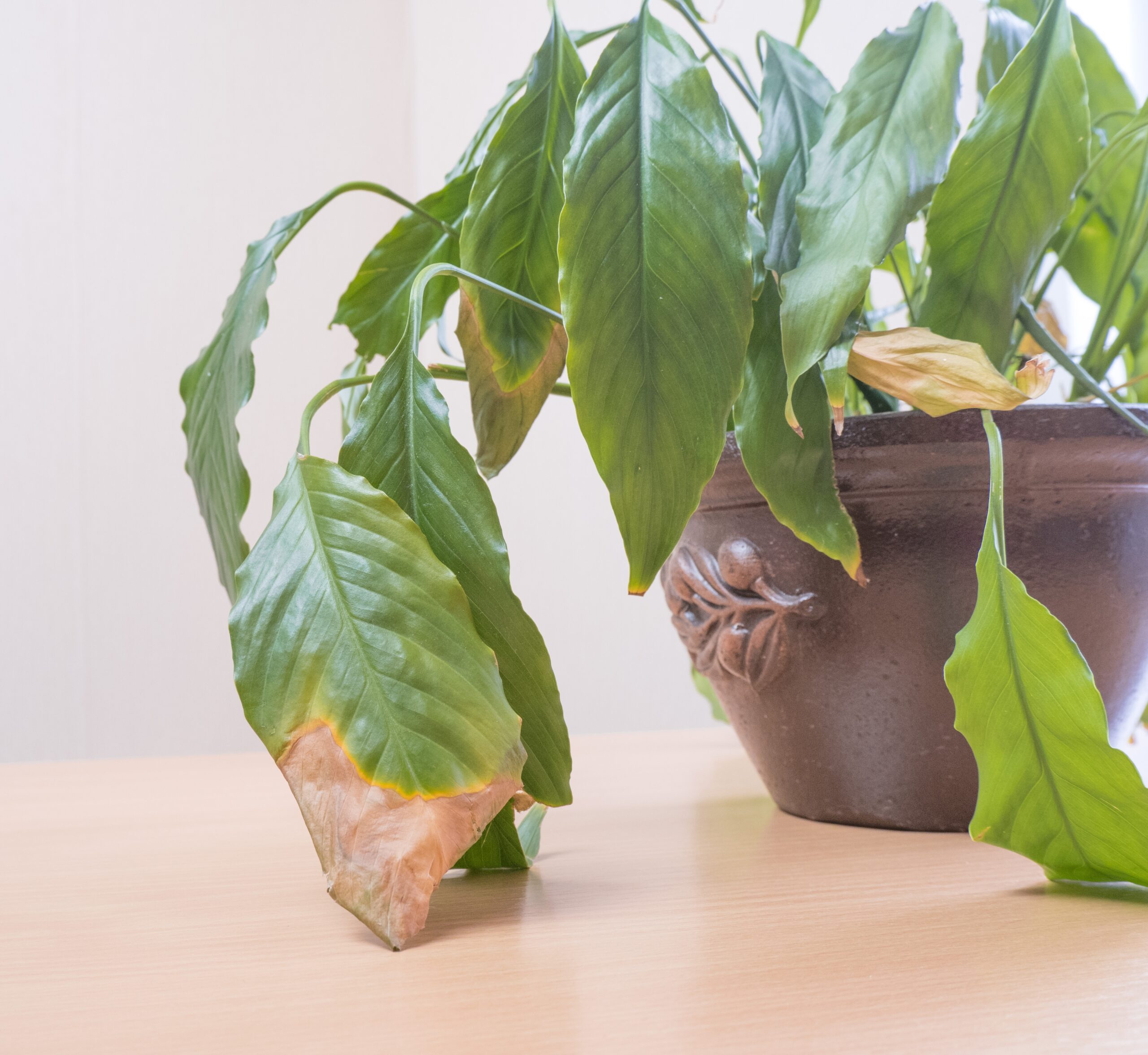
A freshly repotted plant may droop, yellow slightly, or pause its growth while the roots adjust. Keep the lighting stable and resist the urge to respond with extra water or fertilizer.
Give the plant time. If the roots had room, the soil was working, and the plant was growing well before you started, waiting may have been the better choice. Repot because the plant shows you it needs something, not simply because a bigger planter caught your eye.
CONTRIBUTED BY:
Andrew Leahan | The NoCo Clover
Houseplant Boutique • Wellington, Colorado