
Technology, changing job norms, and shifting values are reshaping how people choose where to live. One of the more striking trends is the growing interest in flexibility: less commuting, more remote work, and more emphasis on quality of life. Some are even taking the idea to heart by booking beach escapes, not just for vacation but to imagine what life could look like, like browsing Miramar Beach vacation rentals for occasional retreats or seasonal get-aways. These lifestyle shifts are influencing Northern Colorado (NOCO) residents in powerful ways: where people live, how they work, and how they invest in their homes.
What Are the National Trends Saying?
Remote work isn’t just a pandemic experiment anymore, it’s embedded in many industries. According to the U.S. Bureau of Labor Statistics, the number of people teleworking or working from home rose sharply during the COVID-19 outbreak, and while some companies are asking employees back in person, many now offer hybrid or fully remote roles.

Data from the U.S. Census Bureau shows that home-based work significantly increased between 2019 and 2021, and many of those gains have held even as restrictions eased. These trends suggest that remote or hybrid work options aren’t fleeting, they’re becoming part of what people expect from their employers.
Why NOCO Residents Are Rethinking Home
Here in Northern Colorado, several factors make remote work especially appealing, and these are prompting many to reconsider not just how they live, but where:
- Commute Distances & Traffic
Many NOCO residents commute long distances, through rural stretches, mountain roads, or areas affected by winter weather. Remote options can reduce time, stress, fuel expenses, and exposure to hazardous conditions. - Cost of Living Pressures
Housing prices, utility costs, property taxes, and everyday expenses have increased. Some people are relocating from more expensive metro areas (or contemplating it), seeking lower cost housing while maintaining access to amenities and services. - Lifestyle Priorities
Greater emphasis is being placed on open space, outdoor recreation, wellness, slower pace. As people value time with family, hiking, clarity, and nature, NOCO’s rural and semi-rural locale becomes more attractive if work allows flexibility. - Home Office & Infrastructure
As more work happens from home, homes that support remote work become more desirable, strong broadband, quiet space, reliable power. Real estate demand is shifting accordingly, with features like extra rooms being repurposed, or homes with room for dedicated workspace being preferred.
Impacts on Real Estate & Local Community
These changing preferences have effects beyond individual decisions, they ripple out into markets and community infrastructure.

- Housing Demand & Neighborhood Choice
More people are seeking homes away from high-density areas, choosing smaller towns, suburbs, or rural properties that offer larger lots, more privacy, and connections to nature. This pushes up demand , and prices , in those areas. - Home Design & Upgrades
Features like well-insulated walls, dual-pane windows, soundproofing, reliable heating and cooling systems, home offices, and even outdoor work and leisure spaces are becoming selling and living priorities. - Transportation & Local Services
Fewer people commuting every day could reduce congestion on major routes. But increased population in suburban or rural zones requires better services: roads, utilities, broadband, and local amenities like grocery stores, health care, child care. - Shifts in Local Business
With more people working locally, cafes, co-working spaces, and service sector businesses (repair, delivery, maintenance) gain traction. Local economies can diversify as fewer residents spend their peak workday elsewhere.
Challenges Remote Work Raises in NOCO
While remote or hybrid work brings flexibility, it isn’t without trade-offs, especially in northern Colorado.
- Internet & Broadband Access
Some parts of NOCO still struggle with reliable high-speed internet. For remote work to be sustainable, this infrastructure must improve. - Zoning & Land Use
Rural areas may have zoning restrictions, long drives, or utility costs that make it less feasible for remote workers to live there while working from home full time. - Isolation & Community Amenities
For many, working remotely means fewer daily in-person interactions, and access to social, entertainment, and cultural institutions becomes more important. Proximity matters: even if you work from home, quality of life involves nearby grocery, recreation, and community. - Equity Concerns
Jobs allowing remote or hybrid work tend to favor certain industries, education levels, and income brackets. Those without those options may face less flexibility or be forced to incur costs like commuting, relocation, or sacrificing comfort.
How to Make the Move Work for You

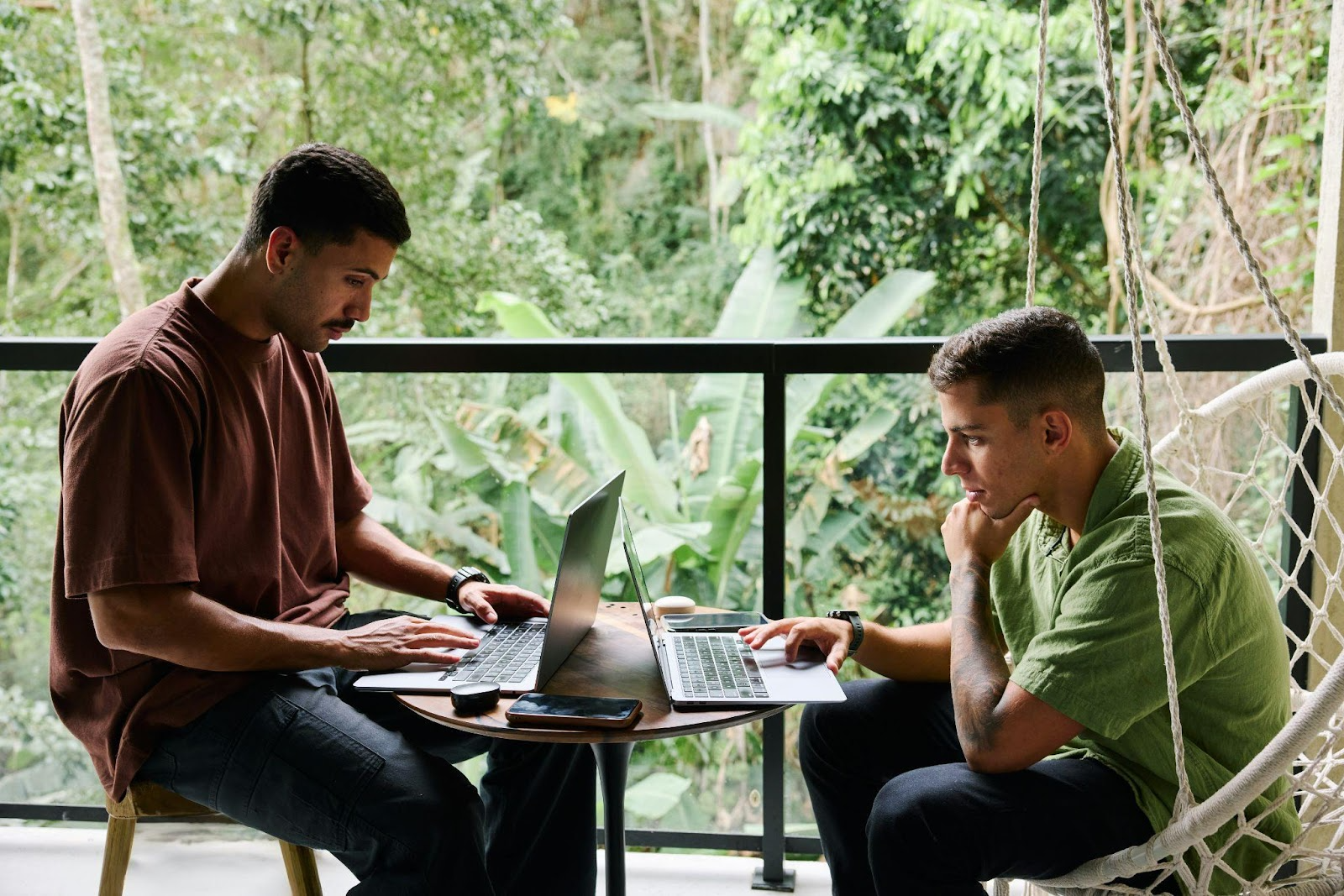
Image from Unsplash
If you’re considering shifting your lifestyle in NOCO, whether by moving out of town, repurposing your lifestyle, or making home remodels, these are key considerations to guide your decisions.
- Prioritize Connectivity
Before relocating or investing in a home, check broadband speeds, cellular coverage, power reliability, and backup options. - Plan Workspace Thoughtfully
Sequestering a quiet room, ensuring ergonomic set-ups, good lighting, ventilation, and minimal distractions can make remote work sustainable long term. - Run the Numbers
Consider total cost of housing (mortgage or rent), utilities, property taxes, commuting (if occasional), upkeep, heating/cooling, and amenities. Sometimes slightly higher housing cost is balanced by lower commuting and parking or car maintenance costs. - Community & Quality of Life Tradeoffs
Think about what matters besides home size: schools, recreation, proximity to trails, grocery stores, health services. The more remote your location, the more important these become. - Flexibility & Hybrid Models
If your job allows hybrid schedules, you may not need full remote every day. Mixing remote and in-office work can provide both flexibility and social engagement.
What Authorities Are Reporting
Data backs up what many NOCO residents are experiencing. For example, recent Bureau of Labor Statistics reports show that over 35 million workers in the U.S. were working from home for pay in early 2024, an increase from previous years, highlighting that remote work is more than a trend, it’s a structural shift in how work is being delivered.
Industry research also points out that many remote workers are now choosing where to live not just for price or scenery, but for livability, space, and amenities. Areas that offer usable outdoor space, reliable utilities, and a sense of community are seeing growing interest.
What This Means for NOCO’s Future
If current trends continue, Northern Colorado may see several longer-term changes:
- Suburban and rural communities might grow more rapidly, pushing for better infrastructure, healthcare, transit options, and community amenities.
- Real estate markets could respond with more homes built with remote-friendly design: extra office space, more efficient HVAC, upgraded insulation, quieter neighborhood planning.
- Local governments could face pressure to expand broadband, improve internet reliability, and adjust zoning to accommodate more home-based businesses.
- Community identity might shift subtly: fewer people commuting out every day, more people spending time in their own neighborhoods, leading to greater local engagement and demand for local services.