

Modern lifestyles place increasing physical demands on people of all ages. From recreational sports and fitness training to physically demanding jobs and long hours spent sitting at desks, musculoskeletal strain has become a growing concern across many communities. At the same time, expectations surrounding healthcare access are changing rapidly. Many patients no longer want to wait weeks or months for orthopedic evaluations, imaging, or treatment plans when pain and mobility issues directly affect daily life.
Faster access to orthopedic care is increasingly becoming one of the most important factors influencing patient recovery outcomes, long-term mobility, and overall quality of life. Across the United States, healthcare providers are responding to this shift by developing more specialized outpatient systems focused on efficiency, patient experience, and streamlined recovery pathways.
Recovery Delays Often Affect More Than Physical Health
Orthopedic injuries rarely affect only one part of a person’s life. Knee pain, shoulder injuries, spinal discomfort, torn ligaments, repetitive strain injuries, and joint instability can quickly interfere with work responsibilities, sleep quality, physical activity, mental wellbeing, and everyday independence.
For active adults, long treatment delays often create additional complications. Reduced mobility can lead to muscle weakness, limited physical conditioning, increased stress, and difficulty maintaining regular routines. Many people also postpone exercise, social activities, and recreational hobbies while waiting for treatment.
As awareness surrounding musculoskeletal health continues growing, patients are increasingly prioritizing healthcare providers that can deliver faster consultations, efficient imaging coordination, and clearer recovery planning without unnecessary delays.
Why Specialized Orthopedic Facilities Are Becoming More Important
One major development across modern healthcare involves the growing role of specialized outpatient facilities. Instead of navigating crowded hospital systems for every orthopedic issue, many patients are now seeking more focused care environments designed specifically around orthopedic injuries and recovery.

Patients exploring care for sports injuries, joint pain, fractures, spinal conditions, and mobility-related procedures increasingly turn to Occuhealth Orthopedic Surgery Center, where outpatient orthopedic care, surgical expertise, imaging coordination, and recovery-focused treatment pathways help improve both efficiency and patient experience.
This shift reflects broader changes in healthcare expectations. Patients today often value shorter wait times, more direct communication, personalized treatment planning, and environments specifically designed around orthopedic recovery rather than generalized care systems.
Active Lifestyles Are Increasing Orthopedic Demands
The growing emphasis on fitness, recreational sports, outdoor activities, and long-term physical wellness has also contributed to rising orthopedic demand. Adults are remaining physically active later in life than previous generations, participating in activities such as cycling, hiking, weight training, pickleball, skiing, distance running, and recreational league sports.
While these activities provide major health benefits, they also increase the likelihood of overuse injuries, ligament damage, joint stress, tendon problems, and repetitive-motion conditions.
At the same time, many physically demanding professions continue placing stress on the body through lifting, standing, climbing, repetitive movement, or extended physical labor. Construction workers, healthcare professionals, warehouse employees, transportation workers, and first responders often experience orthopedic strain that requires timely medical attention to prevent worsening complications. Healthcare systems capable of addressing these demands quickly are becoming increasingly valuable as patient expectations continue evolving.
Outpatient Orthopedic Care Continues Expanding
Outpatient surgical systems have transformed many areas of orthopedic medicine over the past decade. Advances in minimally invasive surgical techniques, anesthesia protocols, imaging technology, pain management strategies, and rehabilitation planning now allow many orthopedic procedures to be performed safely outside traditional hospital settings.
This model often creates several advantages for patients. Shorter facility stays, streamlined scheduling, reduced administrative delays, and more specialized recovery environments can improve the overall patient experience while allowing individuals to return home more quickly following procedures.
The Centers for Disease Control and Prevention continues emphasizing the importance of physical activity, mobility preservation, and injury prevention as essential components of long-term health and healthy aging. As musculoskeletal health becomes increasingly connected to broader public health conversations, orthopedic care access is becoming more important for long-term community wellbeing.

Faster Diagnosis Often Improves Recovery Outcomes

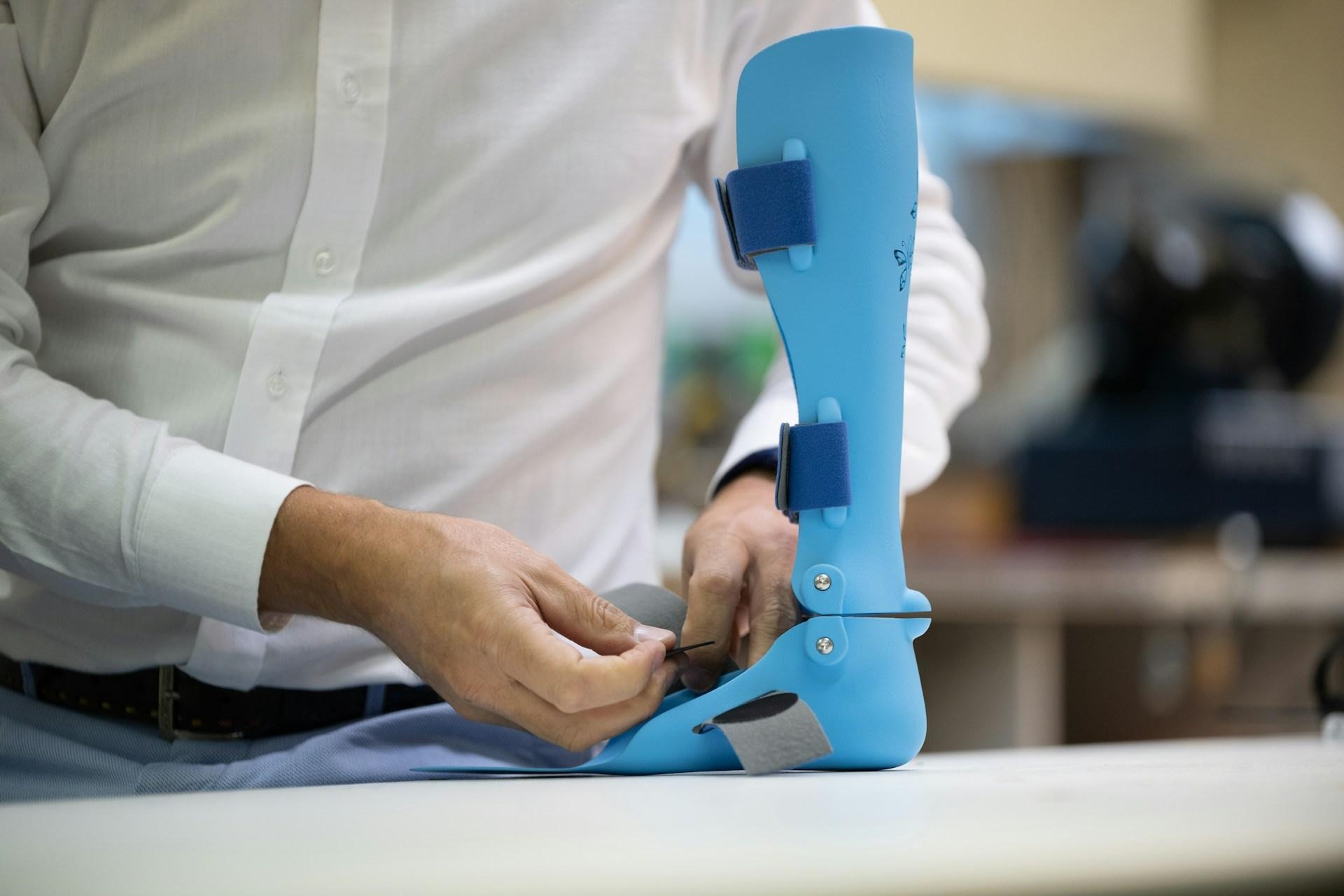
Photo by Accuray on Unsplash
Early diagnosis plays a major role in orthopedic recovery success. Many conditions worsen when left untreated for extended periods. Minor ligament injuries can become chronic instability problems. Repetitive strain injuries may develop into long-term mobility limitations. Joint damage can progress further when patients continue compensating for pain without proper treatment.
Faster access to orthopedic specialists often helps patients begin rehabilitation, physical therapy, pain management, or surgical planning earlier in the recovery process. In many cases, earlier intervention can reduce downtime and improve long-term functional outcomes.
Patients today are also becoming more proactive about seeking treatment before injuries become severe. Instead of waiting until mobility problems significantly interfere with daily life, many individuals now pursue earlier evaluations when symptoms first appear.
Patient Experience Is Becoming Central to Modern Healthcare
Healthcare expectations have changed substantially over the past several years. Patients increasingly expect clearer communication, better scheduling systems, transparent treatment planning, and more personalized care experiences.
This trend extends beyond orthopedic medicine into nearly every area of healthcare. Convenience, responsiveness, efficiency, and patient-centered environments now influence how people evaluate healthcare providers alongside clinical expertise.
Orthopedic recovery can often feel stressful and uncertain for patients dealing with pain, mobility limitations, or upcoming surgical procedures. Facilities capable of creating more organized and supportive treatment experiences may help reduce some of that anxiety while improving patient confidence throughout recovery.
Technology Is Improving Orthopedic Coordination
Digital healthcare systems are also improving orthopedic treatment coordination in important ways. Online appointment scheduling, electronic medical records, telehealth consultations, digital imaging transfers, and rehabilitation tracking tools are helping streamline parts of the patient journey.
These systems can reduce administrative delays while improving communication between surgeons, rehabilitation providers, imaging specialists, and patients themselves.
As healthcare technology continues evolving, orthopedic care will likely become even more integrated, efficient, and accessible across both urban and regional communities.
Orthopedic Health Is Closely Connected to Long-Term Independence
Mobility plays a critical role in overall independence and quality of life. The ability to walk comfortably, remain physically active, continue working, participate socially, and maintain everyday routines often depends heavily on musculoskeletal health.
When orthopedic injuries or chronic joint problems go untreated for too long, they can gradually affect much broader aspects of daily living. Faster access to care therefore represents more than convenience alone. For many patients, it directly influences long-term wellbeing, confidence, and independence.
As populations remain active longer and healthcare expectations continue evolving, orthopedic systems focused on faster access, specialized treatment, and patient-centered recovery will likely continue becoming increasingly important throughout modern healthcare.