

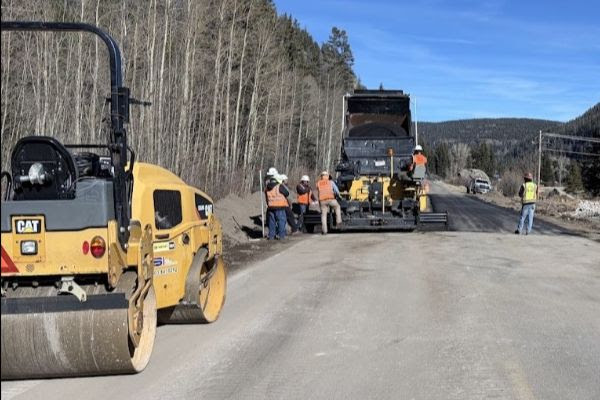
Wolf Creek Pass and Colorado Highway 151 could reopen within days as Colorado seeks $156 million in federal relief for extensive flood damage across the southwest region.
by North Forty News Staff | NorthFortyNews.com
Colorado transportation officials are racing to restore critical highway connections in southwestern Colorado ahead of Thanksgiving after devastating flooding damaged bridges, washed out roads, and forced residents onto lengthy detours.
The Colorado Department of Transportation (CDOT) expects to reopen US Highway 160 over Wolf Creek Pass and Colorado Highway 151 within days, potentially restoring two major travel corridors before the holiday rush.
The reopening efforts come as the state seeks $156 million in federal emergency relief to address widespread highway damage caused by two rounds of severe flooding in late October and early November.
While the most significant damage occurred hundreds of miles from Northern Colorado, the closures have affected statewide travel connections, freight movement, and access to mountain communities. Motorists planning Thanksgiving trips to southwestern Colorado should continue checking highway conditions before departing.
Major Highway Reopenings Expected Before Thanksgiving
CDOT crews and contractors have been working around the clock to make temporary repairs to damaged roadways, particularly along US 160 between Pagosa Springs and South Fork.
Wolf Creek Pass, a major connection between southwestern Colorado and the San Luis Valley, sustained significant damage at multiple locations along a 33-mile closure.
Officials say temporary repairs are nearing completion, with additional information about reopening schedules expected by the end of the week.
Colorado Highway 151, which connects the Ignacio and Pagosa Springs areas, is also expected to reopen before Thanksgiving after floodwaters washed out portions of the roadway.

“Restoring roadways in the area is a top priority,” Gov. Jared Polis said. He thanked transportation crews for restoring access to Wolf Creek Ski Area and surrounding destinations while state officials coordinate with local communities on recovery assistance.
The reopenings would eliminate hours-long detours for some residents and restore important connections to schools, workplaces, businesses, and regional supply routes.

Piedra River Bridge Replacement Will Take Longer
One of the most significant infrastructure losses occurred along US 160 between Durango and Pagosa Springs, where flooding caused the Piedra River Bridge to collapse.
According to CDOT, floodwaters damaged the bridge’s embankments, abutments, and supporting piers, causing structural failure.
Crews have begun demolishing the damaged structure as engineers develop a phased approach to restoring traffic across the river.
Transportation officials anticipate reopening one lane of alternating traffic shortly after Thanksgiving, with two-way traffic expected before spring.
“We have identified a strategy for phased restoration to provide access across the Piedra River on US 160, beginning with one-lane alternating traffic in the coming weeks and two-way traffic before Spring,” said CDOT Regional Transportation Director Julie Constan.
Permanent reconstruction will require additional engineering and construction work.
Colorado Seeks $156 Million in Federal Emergency Relief
The estimated cost of repairing the region’s flood-damaged transportation infrastructure has reached $156 million.
That preliminary figure includes approximately $150 million for temporary and permanent repairs to state highways and an additional $6 million in estimated damage to county roads that may qualify for federal emergency assistance.
CDOT initially requested $65 million in emergency funding on October 28 following the first flooding event.

A second round of storms during the weekend of November 1 caused an estimated $85 million in additional highway damage across multiple counties, extending from the Four Corners region toward the San Luis Valley.
The state has submitted updated damage assessments and additional funding requests to the Federal Highway Administration.
The Colorado Transportation Commission has also authorized $20 million in state emergency contingency funding to support the recovery effort.
CDOT Executive Director Shoshana Lew said federal assistance has allowed crews to begin urgent work without waiting to determine the full scope of the damage.
“While we remain focused on restoring mobility before the holidays, our teams have also made significant progress documenting the full impact of road damage in Southwest Colorado,” Lew said.
Officials emphasize that the $156 million estimate remains preliminary. Additional inspections and engineering assessments could change the total cost.
Multiple Highways Sustained Extensive Damage
Three major highway segments experienced particularly severe damage during the flooding:
- US 160 over Wolf Creek Pass: At least four locations along the 33-mile closure sustained damage to travel lanes, shoulders, culverts, retaining walls, and guardrails.
- US 160 at the Piedra River: Flooding destroyed critical bridge supports and caused the bridge to collapse.
- Colorado Highway 151: Two locations within a three-mile stretch were completely washed out, and drainage culverts were destroyed.
Other affected highways included US 550, US 285, US 84, CO 145, CO 141, CO 140, CO 112, CO 90, CO 41 and CO 17.
CDOT reports that those additional routes have reopened following temporary closures or repairs.
Although temporary work will restore traffic on some of the hardest-hit highways, officials expect permanent reconstruction to continue over the coming years.
Thanksgiving Travelers Encouraged to Check Conditions
With Thanksgiving approaching, CDOT is encouraging travelers to monitor highway conditions closely, particularly when traveling through mountain passes or areas affected by recent flooding.
Temporary repairs, changing weather conditions, and ongoing construction could affect travel even after major routes reopen.
Motorists can find current highway closures, road conditions, traffic cameras, and travel alerts through COtrip.org.
The free COtrip Planner mobile application also provides statewide traffic information for travelers using Android and Apple devices.
CDOT recommends checking conditions before leaving home and again during longer trips, especially when traveling through mountain corridors where weather and road conditions can change quickly.
For Northern Colorado residents planning holiday travel to southwestern Colorado, the anticipated reopenings could significantly improve access to destinations such as Pagosa Springs, Durango, and Wolf Creek Ski Area.
However, travelers should confirm that roads have officially reopened rather than relying on projected reopening dates.