


Five Forgiving Plants for New and Busy Plant Owners
By Andrew Leahan | The NoCo Clover
One of the things we hear most often at The NoCo Clover is, “I love plants, but I kill everything.” Usually, that does not mean someone is bad with plants. More often, they started with a plant that was poorly suited to their home or expected more attention than they could give it.
The care instructions can make matters worse. Bright indirect light. Allow the soil to partially dry. Maintain humidity. Avoid drafts. Before long, a small plant on the windowsill sounds like a full-time job.
After multiple conversations these past few months, it’s become clear I have some go-to plant options and suggestions that I always discuss with these folks. None of them left without the confidence they could care for their new friend.
A better first plant is one that gives you some room to learn. The five below tolerate the occasional missed watering or imperfect spot while still responding well to good care.
Snake Plant
Snake plants have earned their beginner-friendly reputation. Their thick leaves store moisture, so they can handle longer stretches between waterings than many leafy tropical plants.

They also adjust to a wide range of indoor light. Although they are often sold as low-light plants, that does not mean they prefer a dark corner. A snake plant usually grows faster and more vigorously in brighter indirect light.
The most common problem is too much attention. Let the soil dry thoroughly, then water deeply and allow the excess to drain. If the soil still feels damp, wait.
Pothos
Pothos show up in homes, offices and businesses for good reason. They grow quickly, tolerate less-than-perfect conditions and make it fairly easy to see when something needs to change.
Their vines work well on shelves, bookcases and in hanging planters. Bright indirect light produces the strongest growth, but a Pothos can adapt to lower-light rooms and even fluorescent office lighting. Variegated varieties may lose some color when the light is very dim.
Allow the upper portion of the soil to dry before watering thoroughly.
Pothos are also easy to propagate. A cutting with at least one node can root in water, which makes this a fun plant for someone learning how plants grow.
ZZ Plant
For someone who regularly forgets the watering can, a ZZ plant is one of my first suggestions. Thick underground rhizomes store water, giving these plants considerable drought tolerance.
Depending on the light, pot size and soil, a ZZ plant may go three or four weeks, and sometimes longer, between waterings. It also adapts well to rooms farther from a window, although growth will be slower there.
Wait until the soil has dried substantially. Constantly wet soil is far harder on a ZZ plant than an occasional missed watering.
Heartleaf Philodendron
Heartleaf Philodendrons have an easygoing nature similar to Pothos, with softer, heart-shaped leaves that trail from a hanging pot or climb a pole or trellis.
Give them medium to bright indirect light and let the upper portion of the soil dry between waterings.
Philodendron are typically great communicators. Leaves that begin to droop slightly may be telling you it is time to check the soil for watering.
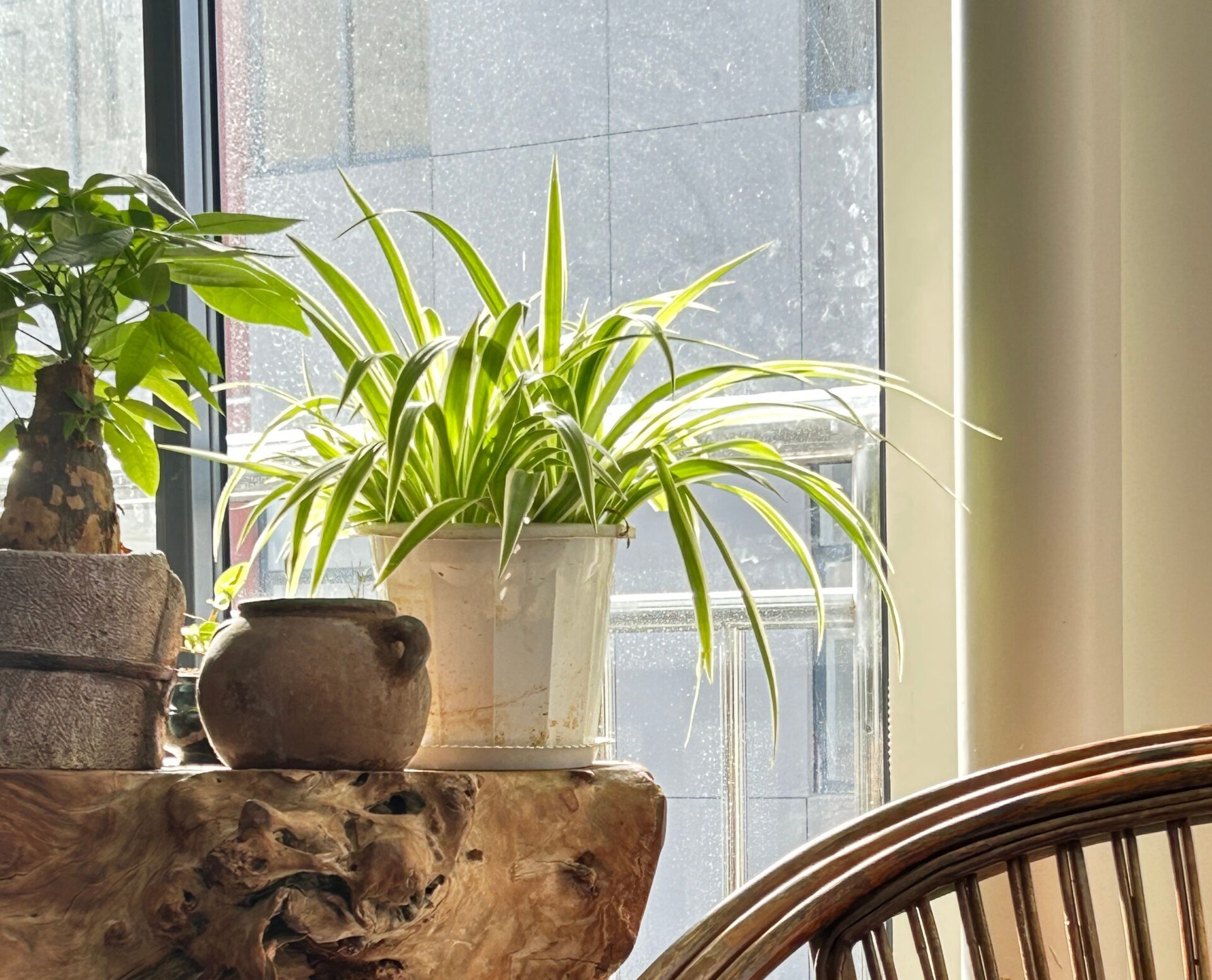
Spider Plant
Spider plants have been passed between friends and family members for generations. Mature plants produce small plantlets, often called “spiderettes”, which can remain attached or be rooted separately.
They appreciate bright indirect light and somewhat more regular watering than Snake plants or ZZ plants. Letting the upper layer of soil dry is still a useful general rule. Brown tips are common and do not necessarily mean the whole plant is unhealthy.
“Easy Care” Doesn’t Mean Indestructible
Even forgiving plants have limits. No houseplant will thrive indefinitely in a room with no usable light, and very few enjoy soil that stays wet all the time.
Check the soil instead of watering only because a week has passed. Pick up smaller pots and notice how their weight changes after watering. Pay attention to what happens in your own home.
And if you have killed a plant before, you are in very good company. Most experienced plant people have lost plenty. The useful part is noticing what happened and choosing a better fit the next time.
CONTRIBUTED BY:
Andrew Leahan | The NoCo Clover
Houseplant Boutique • Wellington, Colorado