

by North Forty News Staff | NorthFortyNews.com
Officials Urge Residents to Stay Vigilant as Mosquito Season Continues
Larimer County health officials have confirmed the first death of a resident from West Nile virus (WNV) this year. The Fort Collins adult passed away after developing neuroinvasive WNV, a severe form of the disease.

“This death underscores the potentially serious nature of West Nile virus,” said Tom Gonzales, Larimer County Public Health Director. “We are saddened by this loss and extend our deepest condolences to this resident’s loved ones.”
Rising Case Numbers in Northern Colorado
So far in 2025, there have been 20 confirmed cases of West Nile virus in Larimer County, with patients ranging from 24 to 86 years old. Public health officials stress that the risk remains, even as cooler temperatures begin to reduce mosquito populations.
“Even as the weather gets cooler and we start seeing fewer mosquitoes, trap data still show that mosquitoes in Larimer County are carrying the virus,” Gonzales said. “We continue to urge everyone to take precautions. It’s crucial to protect yourselves and your families.”
Understanding the Risk
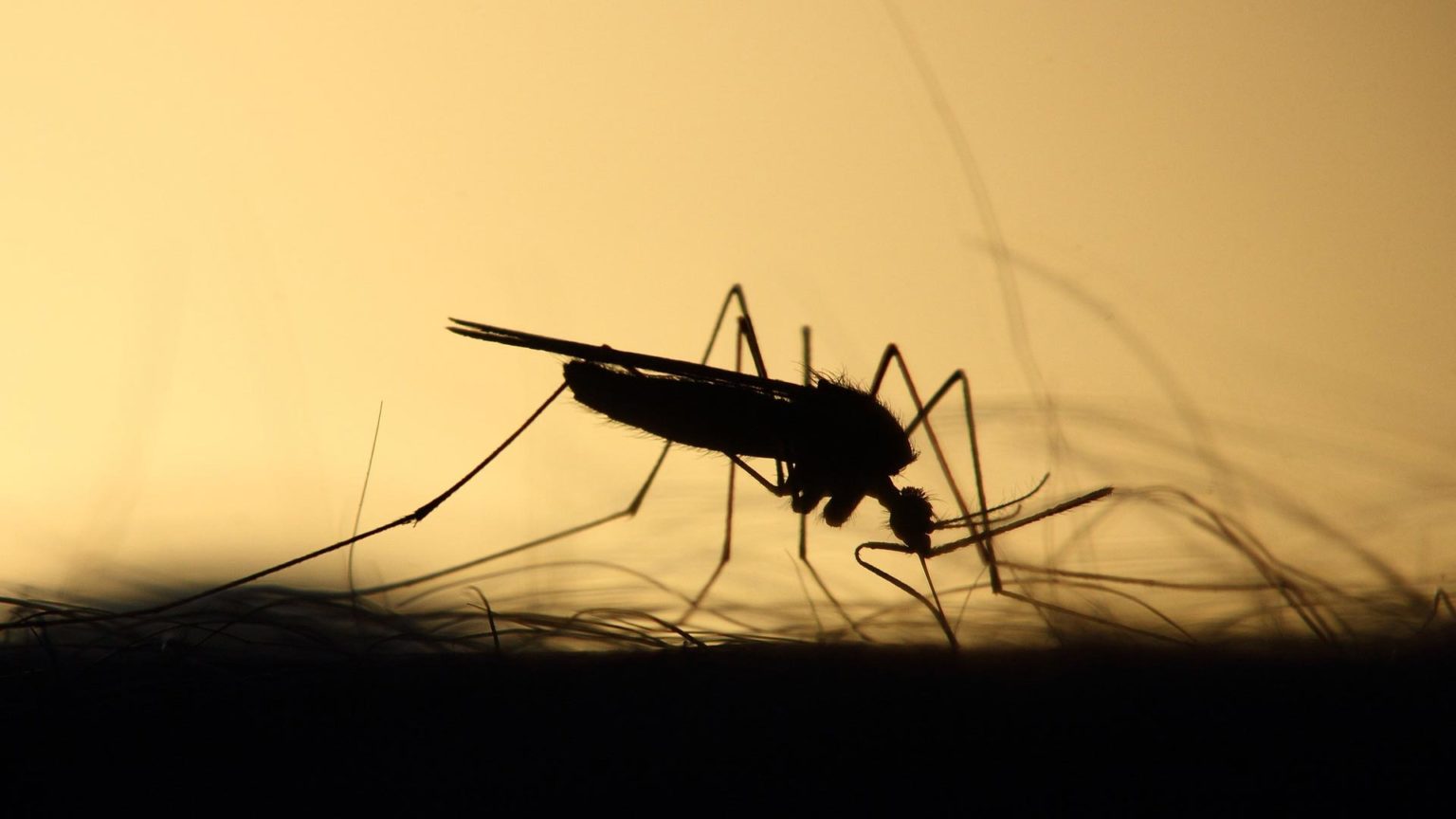
West Nile virus is primarily transmitted through the bite of an infected mosquito. Symptoms may appear three to 14 days after exposure and include fever, fatigue, headaches, body aches, rashes, and swollen lymph nodes.

While many infected individuals experience no symptoms, the virus can progress to severe illness, particularly in adults over 55 and those with preexisting health conditions. Severe cases may include neurological symptoms such as confusion, disorientation, or meningitis-like illness.
Prevention Steps for Residents
The Larimer County Department of Health and Environment (LCDHE) recommends residents take precautions to avoid mosquito bites:
- Use EPA-registered insect repellent regularly.
- Wear long-sleeved shirts and pants when outdoors, especially during gardening, walking, or evening activities.
- Limit outdoor activity during peak mosquito hours around dawn and dusk.
Through partnerships with local municipalities, a mosquito abatement company, and Colorado State University, LCDHE continues to monitor mosquito activity and West Nile virus prevalence in Northern Colorado.
For more information on prevention and current updates, visit www.larimer.gov/westnile.