

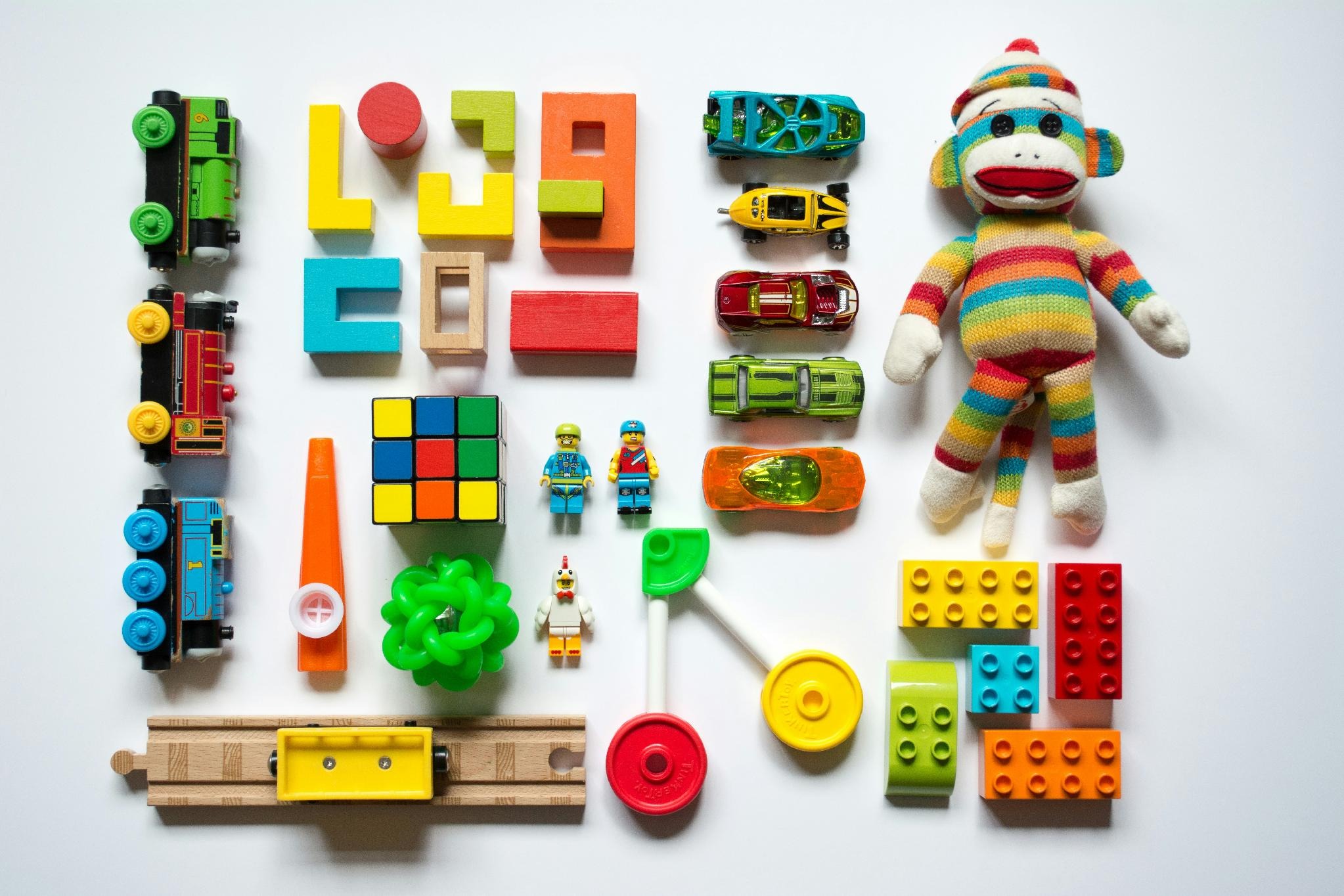
Using sensory toys during an autism assessment can be beneficial for both the practitioner and the child. On the practitioner’s side, these toys help provide important clues to a child’s development and abilities. For those being assessed, sensory toys can make the process easier and more engaging.
Dr. Marilyn Monteiro, PhD, who has worked with more than 4,000 autistic children in her career, found that providing sensory toys helped her build more authentic connections with autistic children. As a result, she created the MIGDAS™-2 (Monteiro Interview Guidelines for Diagnosing the Autism Spectrum, Second Edition). This assessment helps practitioners diagnose autism through gathering and organizing information about the following:
- communication
- emotional responses
- language
- social relationships
- interests
- sensory use
Additionally, Monteiro has stated that standard assessment measures and behavior rating scales still needed to be improved:
“What was lacking for me was having that instant connection with the child, being able to put the child or teenager at ease, and getting to know what makes their brain tick—what things make their brains alert and engaged, and discovering what they are passionate about.”

Sensory Toys as Conversation Starters
Offering sensory toys during assessment can highlight if a child is sensitive to sensory input. Monteiro suggests using a variety of toys with distinct sensory properties, as this process can help evaluators assess whether the child is:
- on the autism spectrum, as in their brains are best able to organize data and thrive while focusing on objects; or
- a typically developing child, as in their brains thrive in an environment with social communication.
Recommended Sensory Materials
Sensory materials can enable individuals to begin repetitive sensory routines. These routines help them obtain auditory, visual, or tactile input. For instance, a person with auditory processing challenges may be drawn to a giant piano mat.
There are five specific categories that are discussed in Monteiro’s book, Autism Conversations: Evaluating Children on the Autism Spectrum through Authentic Conversations, when recommending certain sensory materials.
1. Tactile Objects
Tactile objects and toys allow kids to explore shapes, pressures, and textures. At the same time, they promote physical, emotional, and cognitive development. Choose objects such as:
- vibrating animal-shaped materials; and
- sensory stress balls featuring a variety of textures.
2. Visual Cause-and-Effect Materials
Visual cause-and-effect materials can make it easier for children to understand that specific actions (if I do X) lead to a direct outcome (then Y happens). They reinforce feedback and boost problem-solving skills, motor skills, and cognitive development. Examples of cause-and-effect materials can be:
- spinning light-up materials that require input to turn them on (such as pushing the on button);
- magnetic puzzles; and
- water games.
3. Science Objects
Using science-related toys can turn difficult topics into highly engaging activities. These interactive, hands-on learning experiences can improve cognitive skills, while also fostering curiosity. Objects may include:

- expanding spheres;
- robot arms to grab objects;
- small robots that have movement and can light up; and
- magnets.
4. Noisemakers
Noisemakers help kids learn about vibrations and sound production. Using noisemakers can help autistic children develop better listening skills and fine motor skills. Noisemakers include:
- plastic microphones with an echo effect;
- plastic tubes that squawk when in motion;
- percussion instruments like thunder tubes; and
- a variety of other musical instruments.
5. Alternatives
Some autistic children may be more responsive to certain alternatives instead of sensory objects. For example, books as an alternative can foster empathy, boost vocabulary, and accelerate language acquisition. Other alternatives may include:
- photos of video game characters or cartoon characters to spark a child’s special interests; and
- figurines.
How Do Sensory Toys Benefit an Autism Assessment?
Toys are beneficial in a variety of therapeutic and clinical settings, and can help build bonds and relieve anxiety (Ciuffo et al., 2023). Carefully selected toys and sensory materials can also:
- reduce stress, having a sensory kit on hand can improve an autistic child’s hospital experience (Roy et al., 2022);
- boost engagement and focus, autistic kids prefer movement toys and are better able to focus on them (Binns et al., 2022);
- assist the individualized assessment process, about 74% autistic children have an atypical response to most things, and using sensory toys provides much-needed insight into preferences (Kirby et al., 2022); and
- improve behavioral observations, the Centers for Disease Control and Prevention define the need for comprehensive evaluations to include “a thorough review of how a child plays, learns, communicates, acts, and moves” (CDC, 2023).
Including sensory materials and toys during an autism assessment provides a better way to observe, diagnose, and support those who are on the spectrum.
Research and Resources:
Binns, A. V., Casenhiser, D. M., Shanker, S. G., & Cardy, J. O. (2022). Autistic preschoolers’ engagement and language use in gross motor versus symbolic play settings. Autism & Developmental Language Impairments, 7, 23969415221115045. https://doi.org/10.1177/23969415221115045
Centers for Disease Control and Prevention. (2023). Community report on autism 2023. https://www.cdc.gov/ncbddd/autism/pdf/ADDM-Community-Report-SY2020-h.pdf
Ciuffo, L. L., Souza, T. V., Freitas, T. M., Moraes, J. R. M. M., Santos, K. C. O. D., & Santos, R. O. J. F. L. D. (2023). The use of toys by nursing as a therapeutic resource in the care of hospitalized children. Revista Brasileira de Enfermagem, 76(2), e20220433. https://doi.org/10.1590/0034-7167-2022-0433
Kirby, A. V., Bilder, D. A., Wiggins, L. D., Hughes, M. M., Davis, J., Hall-Lande, J. A., Lee, L. C., McMahon, W. M., & Bakian, A. V. (2022). Sensory features in autism: Findings from a large population-based surveillance system. Autism Research, 15(4), 751–760. https://doi.org/10.1002/aur.2670
Roy, M., Kinlin, C., & MacEachern, S. (2022). Implementation of a sensory toolkit in the emergency department for children with autism spectrum disorder. Paediatrics & Child Health, 27(Suppl 3), e23. https://doi.org/10.1093/pch/pxac100.048