

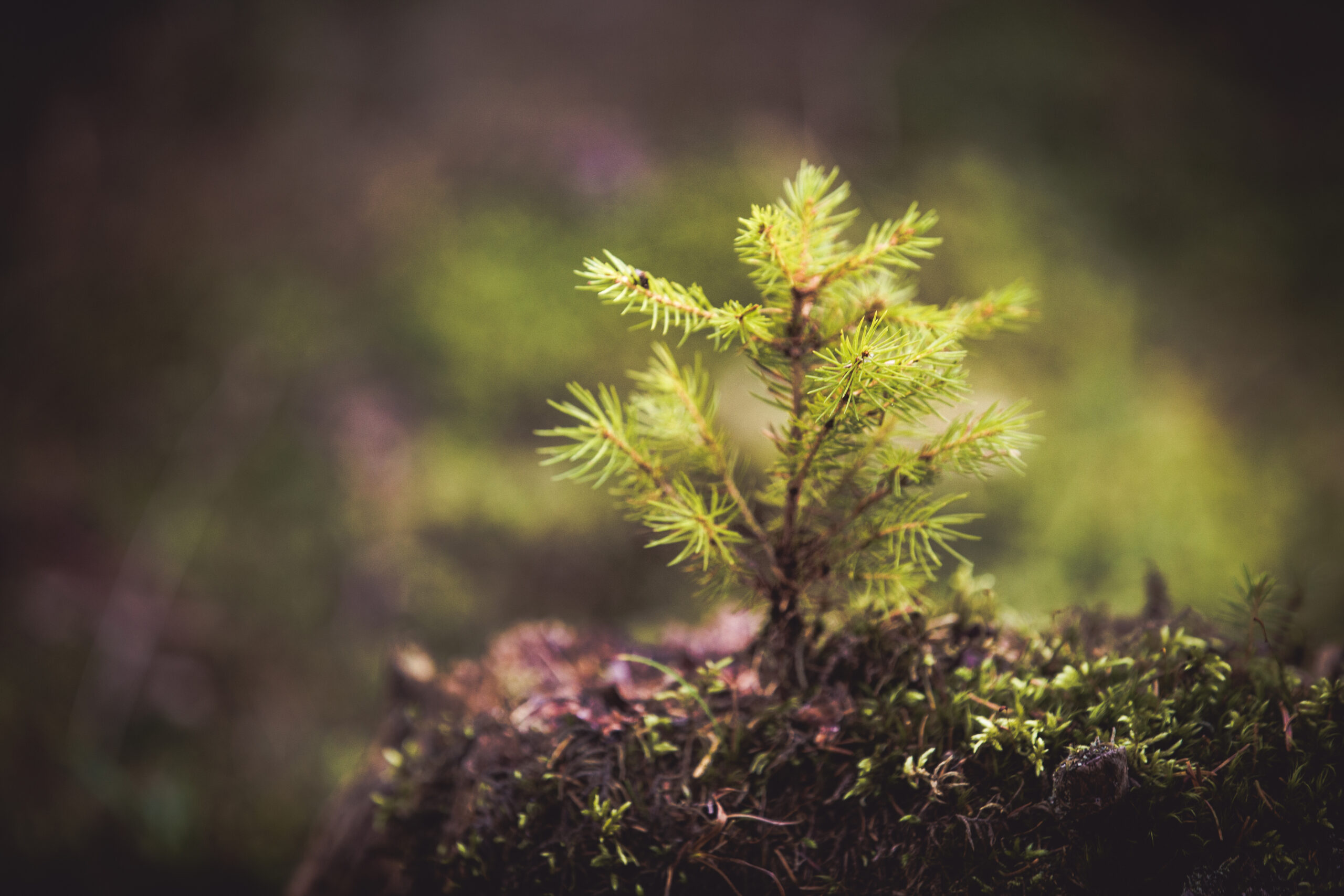

Smart watering now can build stronger roots for years to come
By North Forty News Staff | NorthFortyNews.com
Planting a tree feels like the hard part. You dig the hole, wrestle with the root ball, straighten the trunk, spread some mulch, and stand back to admire the newest addition to the landscape.
But in Northern Colorado, the real work begins after you put the shovel away.
Newly planted trees face a difficult combination of summer heat, low humidity, drying winds, and soils that can range from fast-draining to stubbornly heavy clay. Until a tree develops roots beyond its original root ball, it depends heavily on the gardener to keep moisture in the right place — without drowning it.

Start With the Root Ball
A newly planted tree doesn’t immediately have access to all the moisture in the surrounding landscape. Most of its working root system is still concentrated within the root ball, making that relatively small area especially vulnerable to drying.
A useful starting point is about 10 gallons of water per inch of trunk diameter each week during summer. A tree with a 2-inch trunk, for example, may need roughly 20 gallons during a typical summer week. That isn’t an absolute formula, however. Hot weather, wind, soil type, rainfall, and drainage can all change the amount a tree actually needs.
That’s why gardeners should pay attention to the soil rather than simply following the calendar.

Push a finger into the soil or carefully dig near the edge of the root ball. If the soil below the surface is dry, it’s probably time to water. If it’s saturated several days after watering, give the tree more time.

Slow Water Beats Fast Water
One of the biggest mistakes is applying too much water too quickly.
Northern Colorado’s clay-heavy soils can absorb water slowly. If you turn the hose on full blast, much of that water may travel across the lawn or down the sidewalk instead of reaching the tree’s roots.
Place the hose near the root zone, turn it to a slow trickle, and let the water soak gradually into the ground. A soaker hose or slow-release watering bag can do the same thing.
There’s also an inexpensive do-it-yourself option: drill several tiny holes in the bottom of a five-gallon bucket, fill it with water, and place it near the root zone. The slow drip gives the soil time to absorb the water rather than allowing it to run away.
As the tree establishes itself, expand the watering area. Tree roots eventually spread well beyond the trunk, and established trees benefit from moisture distributed across a broad portion of the root zone rather than concentrated against the bark.

Mulch Is Your Tree’s Friend — Mostly
A layer of mulch helps moderate soil temperature, reduces evaporation, and limits competition from weeds and grass. It also creates a valuable buffer between a young tree and one of its greatest suburban predators: the string trimmer.
Spread roughly 3 to 4 inches of mulch over the root zone, extending the mulched area outward as space permits.
Just don’t build the infamous “mulch volcano.”
Keep mulch away from direct contact with the trunk. Piling it against the bark can hold excess moisture where it isn’t wanted and contribute to decay and other problems.

Think doughnut, not volcano.
More Water Isn’t Always Better
A wilted or yellowing tree naturally makes us reach for the hose, but those symptoms don’t always mean the tree is thirsty.
Overwatering can produce symptoms remarkably similar to drought stress. When soil remains saturated, water fills spaces that normally contain oxygen. Roots need that oxygen, and prolonged saturation can essentially suffocate them. Heavy clay soils can make the problem worse because they drain slowly.
That makes checking the soil one of the simplest and most useful gardening habits you can develop.
Don’t ask, “Did I water the tree?”
Ask, “Does the tree need water?”
Watch What the Tree Tells You
Trees provide clues when something is going wrong. Curling or yellowing leaves can indicate stress, while dieback in the upper canopy is a more serious, often later warning sign.
Automatic irrigation doesn’t eliminate the need to check. Drip emitters can clog or shift, irrigation schedules may not match changing weather, and a system designed for an established landscape may deliver too little — or too much — water to a new tree.
A few minutes spent checking the soil can tell you more than the irrigation timer.
August can be particularly unforgiving to young trees along the Front Range. A newly planted tree hasn’t had years to build the extensive root system that helps an established tree handle a string of hot afternoons.
Give it water slowly, check the soil regularly, and resist the temptation to solve every problem with another turn of the faucet.
The goal isn’t simply to keep a new tree alive until fall. It’s to encourage the deep, healthy root system that will allow that tree to handle Northern Colorado’s heat, wind, drought, and unpredictable weather for decades to come.
Source: Adapted and updated from North Forty News’ Watering Best Practices for Newly Planted Trees, originally written by Jacob Mares, horticulturist at Gardens on Spring Creek.
Grow With North Forty News
From healthier trees to better gardens, North Forty News shares practical advice for making the most of Northern Colorado’s challenging growing conditions.
Start Your Free Trial