

By Tessie Walters | The Gardens on Spring Creek Horticulturist

Critters, Crops, and Common Sense: IPM for the Home Garden
Many people, myself included, find joy in growing a home vegetable garden and enjoying the fruits (and veggies!) of their labor. There’s nothing quite like the taste of homegrown food—but unfortunately, the wild critters agree! From rabbits to insects, they can’t seem to get enough of our tasty treasures, and it’s easy to feel defeated when your hard work is suddenly wiped out.

Luckily, there are ways to protect your garden using Integrated Pest Management (IPM) strategies. These techniques help reduce frustration, safeguard your harvest, and promote a balanced, sustainable approach to pest control.
The best defenses start with the basics: healthy plants, high-quality soil, and regular observation. Spend time in the garden every day, and you’ll be more likely to spot problems early, before they get out of hand. Take pictures and notes if you see unusual damage or unfamiliar pests. Social media gardening groups and local extension services can be great resources for quick tips and support with pest identification.
Integrated Pest Management emphasizes prevention first. Choose plant varieties that are suited to your region and resistant to common pests. Rotate crops each season to prevent soil-borne diseases and interrupt pest life cycles. Mulch to suppress weeds, regulate soil moisture, and create a barrier for crawling insects. Keep your tools clean and avoid over-fertilizing, which can make plants more appealing to pests.

Physical barriers are also helpful. Floating row covers, netting, and fencing can protect your crops from larger animals such as deer, rabbits, and birds. For burrowing pests, consider burying hardware cloth around the garden perimeter. Handpicking insects like tomato hornworms or squash bugs in the early morning is another effective method—kids love helping with this!
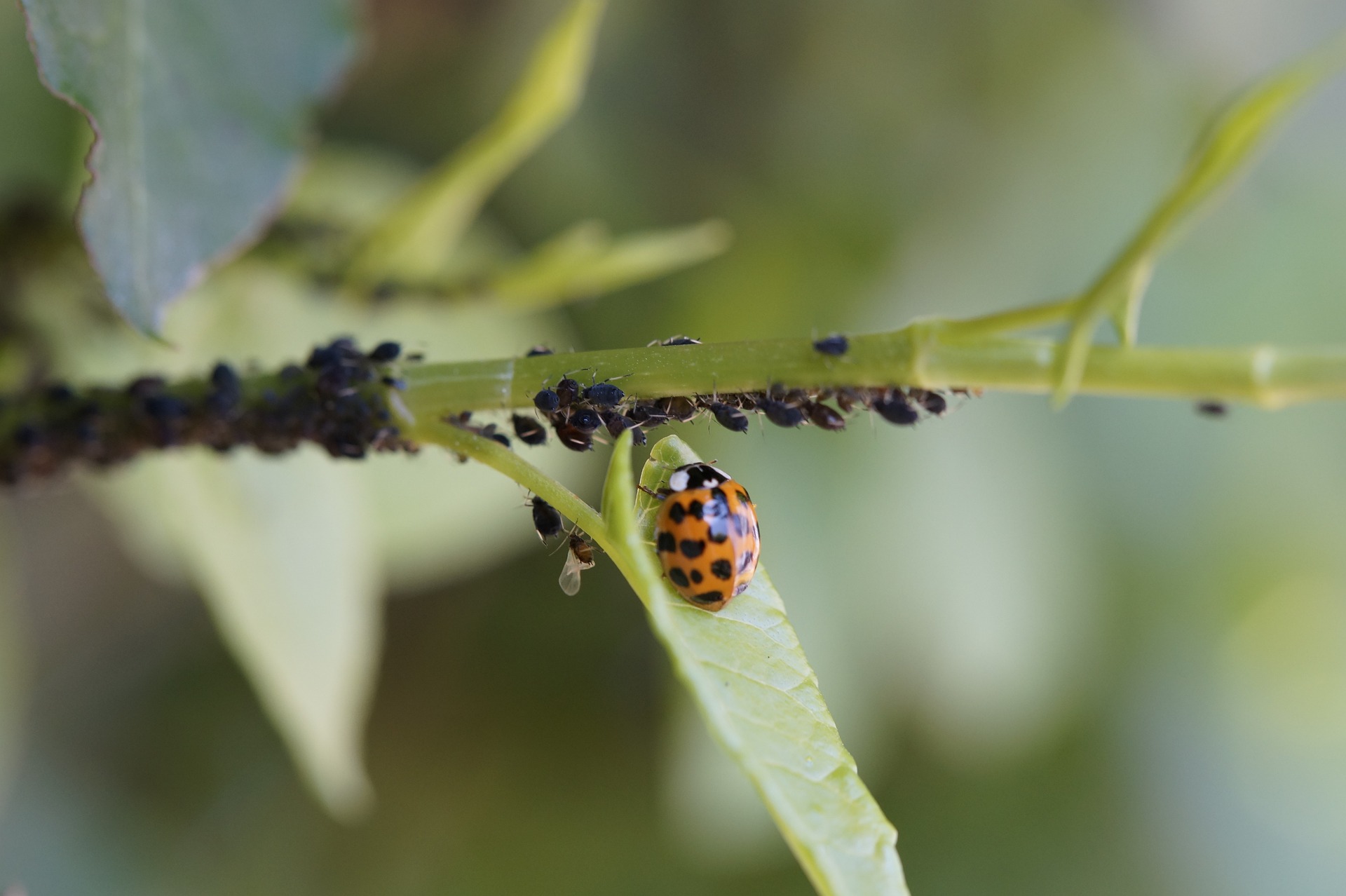
Biological control is another key principle of IPM. Invite beneficial insects like ladybugs, lacewings, parasitic wasps, or other biological controls like BT (Bacillus thuringiensis) into your garden by planting pollinator-friendly flowers and avoiding broad-spectrum insecticides. These garden allies help keep pest populations in check naturally. Birds, frogs, and toads can also be excellent partners in pest control—just be mindful that they’ll need a balanced environment to thrive.
When pest pressure becomes too much, and you’ve tried other methods, it may be time for a targeted intervention. Use the least toxic option available, such as neem oil, insecticidal soap, or diatomaceous earth. Always follow label directions and apply treatments during the early morning or evening to avoid harming pollinators.

Ultimately, IPM is about working with nature, not against it. It asks us to be observant, proactive, and patient. Some losses are inevitable—nature will always take its share—but with a thoughtful approach, you can grow a resilient garden that rewards your efforts season after season.
By staying curious, documenting what you see, and learning from each year’s challenges, you’ll not only become a better gardener but a better steward of your own little patch of earth.