

by North Forty News Staff | NorthFortyNews.com
Low snowpack and record warmth raise concerns for water, agriculture, and wildfire risk across Northern Colorado
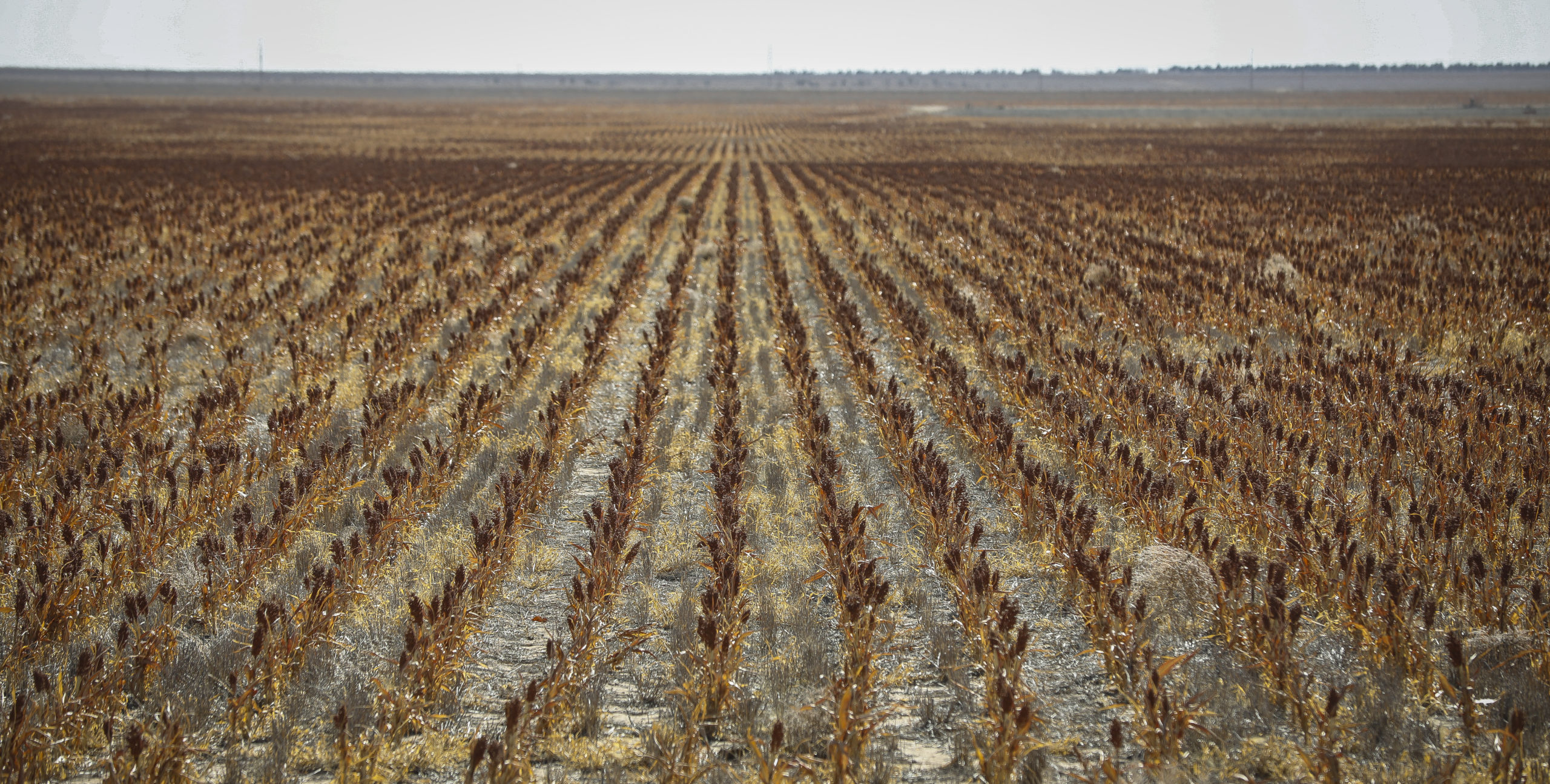
Colorado is facing one of its warmest and driest starts to a year on record, prompting Governor Jared Polis to activate the state’s Drought Task Force and Phase 2 of the Colorado Drought Response Plan — a move with direct implications for Northern Colorado communities.

State officials say the activation will strengthen coordination among agencies and help track how worsening drought conditions are affecting regions such as Larimer and Weld counties, where agriculture, water supply, and wildfire risk are closely tied to seasonal moisture.
“Colorado is experiencing the warmest year so far in our 131-year record, and one of the driest,” Polis said. “Activating the Drought Task Force will help ensure we are protecting one of our most precious resources by closely tracking impacts, supporting communities, and coordinating better as we prepare for the year ahead.”
The task force, last activated in 2020, brings together leadership from multiple state agencies, including the Colorado Department of Natural Resources, Colorado Department of Agriculture, Department of Local Affairs, and the Division of Homeland Security and Emergency Management. The group works to assess drought conditions statewide, elevate local impacts, and connect communities with resources.
For Northern Colorado, the impacts could be significant. Low snowpack in the mountains — a primary water source for the region — combined with higher temperatures, can reduce streamflows, strain reservoirs, and increase wildfire danger heading into spring and summer.

According to the Colorado Climate Center, this water year has started as the warmest in more than 130 years of recordkeeping. Snowpack levels are among the lowest seen in over four decades, and about one-third of the state is already experiencing severe drought or worse.
State officials say understanding local impacts is key to response efforts.
“Drought does not impact every community in the same way,” said Lauren Ris, director of the Colorado Water Conservation Board. “The Drought Task Force helps the state understand where impacts are being felt the most and ensures communities have the information and support they need.”
The state’s Water Conditions Monitoring Committee will continue tracking key indicators such as snowpack, precipitation, soil moisture, streamflow, and reservoir storage. If conditions worsen, Colorado could move into Phase 3 of its drought plan, which includes a formal statewide drought declaration.
More information about Colorado’s drought response efforts is available through the state’s water planning resources at https://cwcb.colorado.gov.
Make North Forty News part of your morning. Get Northern Colorado’s top stories, weather, and events every day at 5 a.m. in our Daily Update.
Attribution: Office of Governor Jared Polis