

Unexpected equipment failures can disrupt business operations, delay projects, and create difficult-to-predict expenses. Whether a company relies on vehicles, industrial machinery, or specialised technical equipment, keeping assets in good condition requires more than responding when something stops working. Preventive maintenance offers a practical way to identify potential problems early, plan repairs, and reduce the likelihood of costly interruptions.
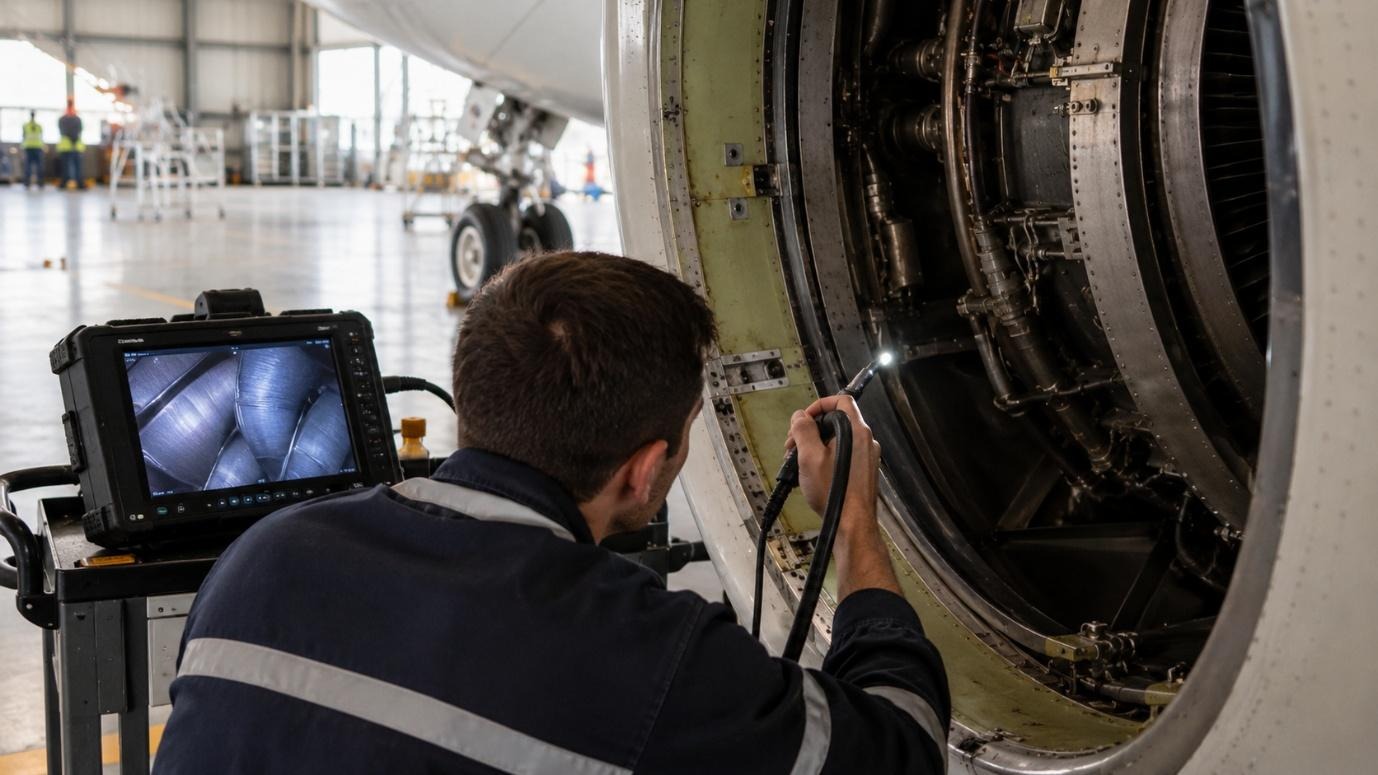
One example of this approach can be found in aviation, where specialists use an Engine Borescope Inspection to examine internal engine components without dismantling the entire engine. Companies such as Magnetic Engines provide these inspections to help assess engine condition and identify visible signs of damage or wear. Although aviation maintenance involves specialised procedures, the underlying principle applies to many industries: understanding the condition of equipment before a failure occurs can support better operational decisions.
How Routine Inspections Help Reduce Risk
Equipment rarely remains in the same condition throughout its service life. Components experience wear, operating conditions change, and small defects can develop over time. Without regular inspections, these changes may go unnoticed until they begin affecting performance or require urgent attention.
A structured maintenance schedule helps organisations monitor equipment at appropriate intervals. Inspections can reveal signs of deterioration, loose connections, unusual wear, or other issues that deserve further investigation. Identifying these warning signs does not necessarily mean that immediate repairs are required, but it gives technicians an opportunity to evaluate the situation and determine the next steps.

Routine checks also make maintenance easier to organise. Instead of reacting to every unexpected problem, businesses can plan service activities around operational needs, available resources, and manufacturer recommendations.
Looking Beyond the Surface of Equipment
Some technical problems cannot be identified through an external visual check alone. Internal components may require specialised inspection methods that allow technicians to examine areas that would otherwise be difficult to access.
Aviation provides a useful example. During a borescope inspection, a specialist uses a camera-equipped instrument to view selected internal engine sections. The resulting images can help reveal cracks, dents, material loss, or other visible signs of damage, depending on the component and inspection conditions.
This method allows technicians to gather information without performing a complete engine disassembly solely for the inspection. The findings can then be assessed against applicable technical requirements to determine whether additional checks, monitoring, or repairs are necessary.
The value of this process lies not simply in detecting a potential issue, but also in obtaining information that supports a well-informed maintenance decision.
Turning Inspection Findings Into Better Decisions
Inspection results are most useful when they are integrated into a broader maintenance strategy. Technical teams need to document their findings, compare them with previous observations when relevant, and determine whether any changes require further investigation.
Accurate records can help businesses understand how equipment conditions evolve over time. They can also support maintenance planning, budgeting, and decisions about whether an asset should remain in service, undergo repair, or receive a more detailed assessment.
However, preventive maintenance does not eliminate every risk. Some failures occur unexpectedly, and inspection methods have limitations. The appropriate inspection frequency and procedures depend on the type of equipment, its operating environment, manufacturer guidance, and applicable safety requirements.
For this reason, maintenance plans should be developed around the specific needs of each asset rather than relying on a single schedule for every situation.
Building a More Reliable Maintenance Routine
An effective preventive maintenance program begins with clear priorities. Businesses should identify critical equipment, follow recommended service intervals, maintain accurate inspection records, and ensure that qualified personnel evaluate technical findings.
It is also important to distinguish between routine monitoring and work that requires specialist expertise. When an inspection identifies a potential defect, further assessment can help establish its significance and determine the appropriate response.
Preventive maintenance is ultimately an investment in reliability and informed decision-making. By paying attention to equipment condition before problems become urgent, organisations can plan more effectively, manage operational risks, and make better use of their resources.