


Five popular plant care tips that deserve a second look
Andrew Leahan | The NoCo Clover
When it comes to houseplants, everyone seems to have a trick or two up their sleeve. Maybe it’s something your grandmother taught you, a tip you picked up online, or advice from a friend who somehow keeps every plant alive.
Some of these tricks work just fine. Others have been repeated so often that we’ve started treating them as facts, even when there’s more to the story.
Let’s take a look at five common houseplant myths and what’s actually worth knowing.
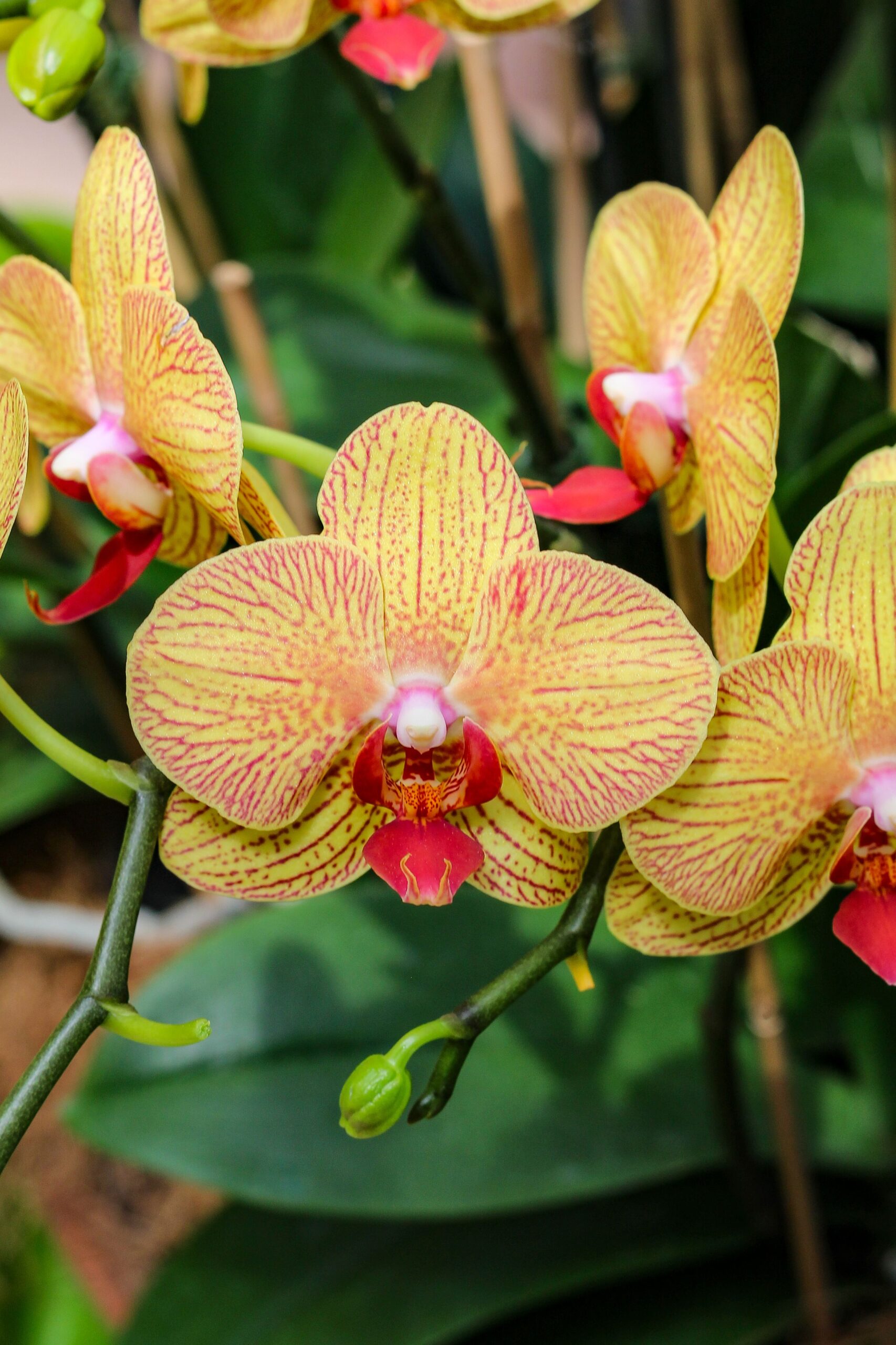
MYTH #1: “Water your orchids with ice cubes.”
This one often sparks debate! The idea is that ice cubes provide a controlled amount of water without the risk of overdoing it.
Interestingly, research has shown that some Moth Orchids can tolerate ice-cube watering under certain conditions. But that doesn’t mean it’s the best method for every orchid.

The reality: What matters most is that the roots get enough water and any excess drains away. The conditions required for the ice-cube method to work are unlikely to be met, so this isn’t a common technique you should follow. Different orchids, growing mediums, and environments may require different approaches.
MYTH #2: “Putting rocks in the bottom of a pot improves drainage.”
It sounds logical, doesn’t it? Add a layer of rocks, and the water should have somewhere to go.
Unfortunately, that’s not quite how water moves through potting soil. A layer of rocks doesn’t replace a drainage hole and can actually leave less room for the roots to grow. It can also trap water in the soil above the rocks, creating overly wet conditions.
The reality: This approach commonly causes plant death through root rot. A pot with proper drainage and a well-suited potting mix will do far more for healthy roots than a layer of stones at the bottom.
MYTH #3: “Misting your plants keeps humidity levels up.”
We’ve all seen the photos of someone gently misting their tropical plants. It looks like great plant care, but the benefits are often overstated.
Misting may briefly increase moisture around the leaves, but it doesn’t maintain the consistent humidity many tropical plants prefer. Repeatedly wetting foliage can also encourage leaf-spot problems, especially with poor airflow.
The reality: If your plants genuinely need more humidity, a humidifier is usually a more effective option than occasional misting.

MYTH #4: “Yellow leaves mean you’re overwatering.”
Yellow leaves are one of the most common warning signs, and people often blame overwatering right away.
But yellowing can happen for several reasons. Underwatering, inadequate light, pests, root problems, and even natural aging can all be responsible.
The reality: A yellow leaf is a symptom, not a diagnosis. Check the soil, look at the rest of the plant, and consider what may have changed before adjusting your care routine.
MYTH #5: “A bigger pot will make your plant grow faster.”
It’s tempting to give a growing plant plenty of extra room, especially when you hope it’ll become a big, beautiful statement piece in your home.
But moving a small root system into a significantly larger pot can create problems. All that extra soil may stay damp longer than the roots can comfortably handle, increasing the risk of root rot.
The reality: Choose your next pot based on the size of the root system, not the size you hope your plant will eventually reach.
SO, SHOULD YOU IGNORE ALL THOSE PLANT CARE TIPS?
Not necessarily!
At The NoCo Clover, we’ve heard plenty of different tips and tricks over the years. And while some methods might work perfectly well for one person, that doesn’t mean they’ll work for every plant or every home.
That’s really the point of sharing these myths. It’s not about telling someone they’ve been caring for their plants incorrectly. It’s about understanding the reasoning behind the advice and recognizing when a popular trick might do more harm than good.
Every plant lover develops their own habits over time. Just remember to do a little research before trying something new, and don’t be afraid to adjust your approach when your plants tell you something isn’t working.
CONTRIBUTED BY:
Andrew Leahan | The NoCo Clover
Houseplant Boutique • Wellington, Colorado